
Diseases
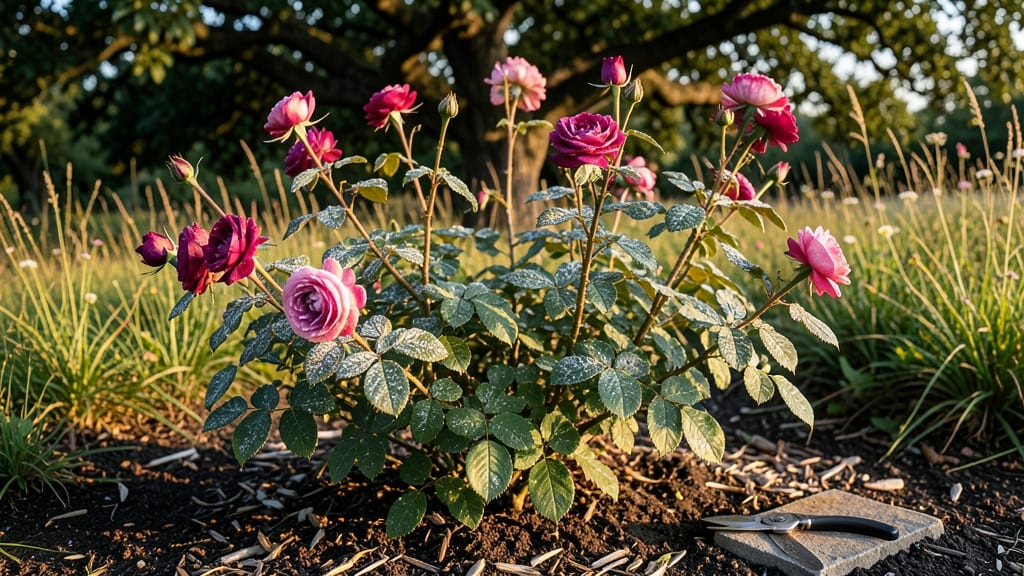
That white powder on your rose leaves—telltale mildew on rose leaves—is stealing the vibrancy from your once-bright blooms.
Mildew on rose leaves might seem hopeless, but a simple baking soda spray can restore them to full, healthy bloom in just a few applications. ✨ I’ve seen this method work on roses that looked ready for the compost pile—now they’re thriving again.
The problem starts with humidity and poor airflow, creating the perfect conditions for fungal spores to multiply. Those white spots you’re seeing? That’s powdery mildew, a common but treatable issue.
The good news? It doesn’t harm the plant’s roots or stems—just the leaves and flowers. That means you can still save your roses with the right approach.
With a baking soda spray, you’ll see results within a week—less powder, greener leaves, and blooms that stay spotless. The key is consistency: spray every 7-10 days until the mildew disappears, and always apply in the early morning when leaves are dry.
Prune affected leaves to improve airflow, and your roses will bounce back stronger than ever.
This fix works for all rose varieties, from hybrid teas to climbers, and it’s safe for your garden’s ecosystem. No harsh chemicals needed—just a little elbow grease and patience. Let’s get those roses looking their best again!
Understanding the root causes
Mildew on rose leaves isn’t just an unsightly nuisance—it’s a fungal party crashing your garden’s style. But why does this sneaky invader throw its weight around?
Let’s break down the science behind powdery mildew and downy mildew, the two most common culprits, and how they turn your roses into their all-you-can-eat buffet.
Mildew thrives in high humidity (70%+) and stagnant air, creating the ideal conditions for fungal spores to germinate and spread. Here’s why:
- Fungal Feast: Spores land on leaves and need moisture to activate. Think of it like a fungal spa—warm, damp, and cozy. 🌡️ - Airflow Blockers: Dense foliage, overcrowded plants, or even nearby fences/walls trap moisture.
Mildew loves hiding in these "dead zones." - Morning Dew: While dew itself isn’t the issue, if it lingers until late morning (especially in shaded areas), it extends the fungal party time.
Actionable Fix: Space plants 2–3 feet apart, prune for airflow, and water early in the day so leaves dry by evening.
Splashing water onto leaves (especially from above) is like handing mildew spores a free ride to your roses’ most vulnerable spots. Here’s the breakdown:
- Spores Hitchhike: Water droplets carry spores from infected leaves to healthy ones, spreading the disease exponentially.
- Wet Leaves = Happy Fungi: Leaves stay damp for hours, giving spores the perfect environment to colonize.
- Shady Spots: Overhead watering in shaded areas keeps leaves wet longer, doubling the risk.
Actionable Fix: Use a soaker hose or drip irrigation to water at the base. If you must water overhead, do it before 10 AM and avoid wetting foliage.
Roses that are stressed or malnourished are like open invitations to mildew. Here’s how poor health plays a role:
- Nitrogen Deficiency: Leaves turn yellow and grow weak, making them easier targets. Mildew loves a struggling host! - Phosphorus & Potassium Shortages: These nutrients strengthen cell walls, which act as a barrier against fungi.
Without them, roses are defenseless. - Over-Fertilizing: Too much nitrogen (especially synthetic fertilizers) promotes lush but weak growth—perfect mildew bait.
Actionable Fix: Test your soil and amend with a balanced rose fertilizer (10-10-10 or 5-10-5). Add compost to improve soil health and drainage.
While roses need some shade to prevent scorching, too much shade creates the perfect mildew hotspot. Here’s why:
- Slow-Drying Leaves: Shaded areas stay damp longer, giving fungi more time to spread.
- Reduced UV Protection: Sunlight naturally inhibits mildew growth. Less light = less fungal resistance.
- Cool, Moist Microclimate: Shady spots often have higher humidity, which mildew adores.
Actionable Fix: Ensure roses get 4–6 hours of sunlight daily. If shade is unavoidable, improve airflow with pruning or spacing.
Stressed roses are like red flags for mildew. Here’s how physical stress opens the door:
- Competition For Resources: Overcrowded roses compete for water and nutrients, weakening their defenses.
- Physical Damage: Pruning wounds, insect bites, or hail damage create entry points for spores.
- Root Stress: Compacted soil or poor drainage stress roots, making the whole plant more susceptible.
Actionable Fix: Prune regularly to improve airflow, mulch to retain moisture (without suffocating roots), and avoid heavy-handed pruning.
Mildew isn’t just a summer problem—it’s a seasonal opportunist. Here’s when it strikes hardest:
| Season | Why It’s Risky | What To Watch For |
|---|---|---|
| Spring | Cool nights + warm days = high humidity. | New growth is tender and vulnerable. |
| Fall | Leaves stay damp longer as temps drop. | Fungal spores overwinter in debris. |
| Summer | Only if humidity is high (e.g., after rain). | Heat + humidity = mildew explosion. |
Actionable Fix: Monitor humidity levels (aim for below 60%). Use fungicides preventatively in spring/fall if your area is prone to mildew.
Mildew doesn’t just come from your garden—it hitches rides on wind, tools, and even your clothes. Here’s how:
- Windborne Spores: Mildew spores travel miles and land on your roses like unwanted houseguests.
- Tool Contamination: Pruners, gloves, or even your hands can transfer spores from infected to healthy plants.
- Debris Harboring Spores: Old leaves, mulch, or weeds can hold spores over winter, ready to pounce in spring.
Actionable Fix: Clean tools with rubbing alcohol, remove fallen leaves promptly, and quarantine new plants for a few weeks.
Mildew doesn’t just appear out of nowhere—it’s the result of perfect conditions your roses might be unknowingly providing. By addressing humidity, airflow, watering habits, nutrition, and seasonal risks, you can starve out this fungal pest before it takes hold.
Stay vigilant, and your roses will stay spotless and thriving!
Quick Fixes for Fungal Foes
Got that unsightly white or gray powder dusting your rose leaves? Don’t panic—mildew is beatable! The key is to act fast and target the root cause while giving your roses the TLC they need.
Below, we’ve broken down the most common triggers for mildew and matched them with practical, garden-proof solutions—plus prevention tips to keep your roses thriving.
Problem: Roses packed too tightly or blocked by other plants trap moisture, creating the perfect mildew buffet.
Fix It:
- 🔪 Trim back foliage to improve airflow—aim for 6–12 inches of space between stems.
- 🌿 Remove infected leaves (bag and toss them!) to stop spores from spreading.
- ⏰ Best time to prune: Early morning or late afternoon when humidity is lower.
Prevention Tip: 💡 Stake your roses if needed to keep branches upright and reduce leaf-to-leaf contact.
Problem: Overhead watering, soggy soil, or poor drainage keeps leaves damp for too long—mildew’s favorite party.
Fix It:
- 👨🍳 Switch to deep watering at the base (not the leaves) early in the day so foliage dries by evening.
- 🌡️ Check your soil: If it stays wet for more than a day, amend with compost or perlite to improve drainage.
- ✨ DIY fix: Water only when the top inch of soil is dry—roses are tougher than you think!
Prevention Tip: 🌧️ Use a soaker hose or drip irrigation to keep leaves dry.
Problem: Shady spots slow drying and invite mildew to throw a rave on your roses.
Fix It:
- 🌿 Relocate potted roses to a sunnier spot (6+ hours of direct sun daily).
- 🍃 Thin out nearby trees/shrubs blocking sunlight—roses need bright, indirect light at minimum.
- 🔥 Quick fix: Place a reflective surface (like a white board) near shaded roses to bounce extra light.
Prevention Tip: 🎯 Choose mildew-resistant varieties like ‘Knock Out’ or ‘Dr. Huey’ if shade is unavoidable.
Problem: You’ve already spotted the fuzzy white stuff—time for chemical-free or organic action.
🍳 Homemade Sprays (Safe & Effective)
| Solution | How to Use | Frequency |
|---|---|---|
| Baking soda spray | 1 tsp baking soda + 1 quart water + a drop of dish soap (as a surfactant). Spray undersides of leaves too! | Every 7–10 days until clear |
| Neem oil mix | 1 tbsp neem oil + 1 tsp mild soap + 1 quart water. Shake well before spraying. | Weekly for 3–4 weeks |
| Milk spray | 1 part milk + 9 parts water. Smells great and stops spores! | Every 5–7 days |
🔥 Pro Tips for Spraying:
- 🌿 Spray early morning or late evening to avoid burning leaves.
- 👨🍳 Wear gloves—some oils can irritate skin.
- 🌡️ Reapply after rain—water washes off treatments!
Once mildew’s gone, keep it away with these habits:
- 💡 Mulch properly: Use 2–3 inches of organic mulch (like straw) to deter soil-borne spores.
- 🌱 Rotate varieties: Plant mildew-resistant roses alongside susceptible ones to break the cycle.
- 🍃 Clean up debris: Rake and remove fallen leaves in autumn—spores hibernate there!
- 🔄 Sterilize tools: Wipe pruners with rubbing alcohol between cuts to avoid spreading spores.
Final Thought: Mildew might be a nuisance, but with consistent care, your roses will bounce back stronger. Spot it early, act fast, and keep them happy—your garden (and your roses) will thank you! 🌹✨
Frequently asked questions
What does mildew on rose leaves look like?
Mildew appears as a white or gray powdery coating on the tops and undersides of leaves, sometimes looking like dust. In advanced cases, leaves may turn yellow, curl, or develop brown spots. Powdery mildew is the most common type, while downy mildew appears as fuzzy, gray patches (usually on leaf undersides).
Can I still harvest roses with mildew?
Yes, but remove infected leaves first! Mildew doesn’t harm the rose’s stems or roots, so blooms are still safe to cut. Just avoid harvesting heavily infected flowers—they may drop prematurely. Prune affected foliage to prevent spread and improve airflow for remaining blooms.
How often should I spray baking soda solution?
Apply the baking soda spray every 7–10 days until mildew disappears, then switch to preventative sprays every 2–3 weeks during humid seasons. Always spray early morning or evening to avoid leaf burn, and reapply after rain. Mix fresh solution each time for best results.
Will mildew kill my rose bushes?
Mildew rarely kills roses but severely weakens them over time. Chronic infections reduce blooms, stunt growth, and leave plants vulnerable to other diseases. Act quickly with sprays and cultural fixes to restore health. Most roses recover fully with proper care—just don’t let it go untreated for months.
Can I use store-bought fungicides on roses?
Yes, but start with organic options like neem oil or sulfur-based sprays first. For severe cases, use copper fungicides (follow label instructions carefully). Always rotate treatments to prevent resistance, and remove infected leaves before applying any chemical spray.