
Blooming
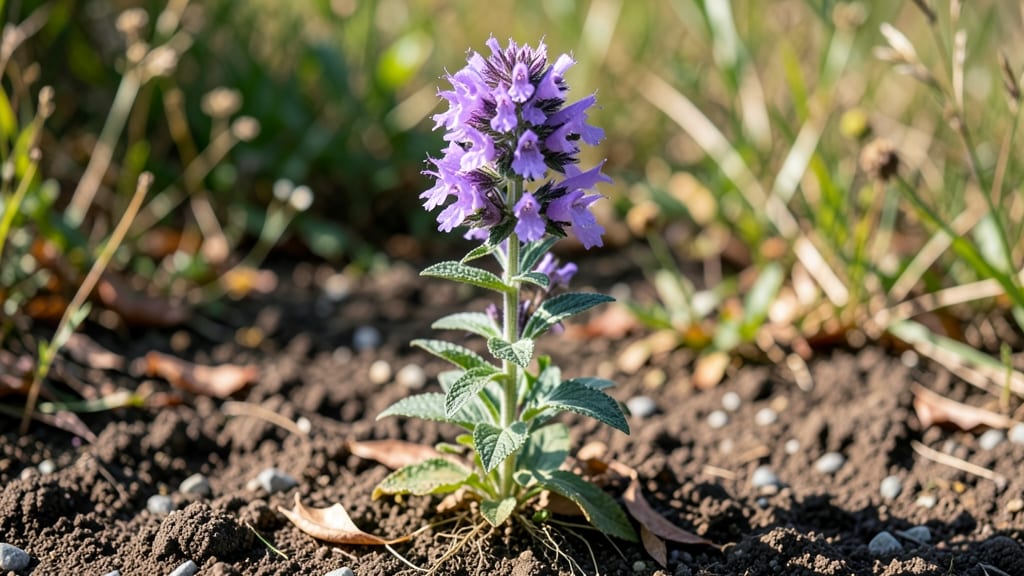
The monarda fistulosa bloom time transforms your garden into a buzzing haven for hummingbirds, bees, and butterflies 🐝.
If you love attracting pollinators, timing is everything—and Monarda fistulosa (wild bergamot) is your secret weapon. But knowing its bloom time isn’t enough; pairing it with the right companion plants can turn your yard into a nonstop pollinator paradise.
In cooler regions like USDA Zone 6a, blooms start as early as June, while warmer zones may see flowers by May. The key to extending that vibrant display? Deadheading spent blooms and providing well-draining soil.
Below, I’ll share how to maximize your Bee Balm’s bloom time, which plants to pair for year-round nectar, and the simple care tricks that keep pollinators visiting well into September.
When does Monarda fistulosa bloom? Seasonal timeline & best planting months
Monarda fistulosa, or wild bergamot, is a pollinator superstar with a prolonged bloom season that spans from early summer to fall. This native perennial thrives in USDA zones 3-9, making it adaptable to diverse climates. Understanding its bloom time helps you plan companion plants and care strategies to maximize its beauty and ecological benefits.
In most regions, wild bergamot begins flowering in June or July, with peak blooms lasting through August and September. However, regional variations can shift these windows by 2-4 weeks. Cooler northern climates may see later starts, while warmer southern zones often enjoy earlier and longer displays.
The key to extending its bloom time lies in proper care—deadheading spent blooms, providing well-draining soil, and ensuring full sun exposure. These practices encourage a second flush of flowers, especially in late summer, when many gardens begin to fade.
For year-round pollinator support, plant Monarda fistulosa in spring (March-April), after the last frost. This timing allows roots to establish before summer heat arrives, ensuring robust growth and abundant blooms when pollinators need them most.
| Season | Bloom Period | Care Tips | Regional Note |
|---|---|---|---|
| Early Summer | June - Early July | Deadhead spent blooms | Southern zones bloom earlier |
| Peak Summer | July - August | Water deeply weekly | Northern zones peak later |
| Late Summer | August - September | Fertilize lightly | Cooler climates extend blooms |
| Fall | September - October | Prune after frost | Southern zones bloom longer |
In cooler climates (zones 3-5), wild bergamot often starts blooming in late June or early July, with a peak in August. The cooler temperatures can delay initial flowering but may extend the season into early October if fall weather remains mild.
Warmer regions (zones 6-9) typically see earlier blooms, starting in May or June, and can continue through September or October. The heat tolerance of this native plant allows it to thrive in drought conditions, making it ideal for xeric landscapes.
To encourage a second flush of blooms, prune back 1/3 of the plant after the first wave of flowers fades. This stimulates new growth and often results in late summer reblooming, especially in well-drained soil with moderate fertility.
For best results, plant Monarda fistulosa in spring (March-April) or early fall (September-October). Spring planting gives roots time to establish before summer heat, while fall planting allows for root development before winter dormancy.
Combine wild bergamot with native companions like coneflowers (Echinacea) or black-eyed Susans (Rudbeckia) to create a pollinator magnet garden. These pairings ensure continuous nectar sources from early summer to frost, supporting hummingbirds, bees, and butterflies year-round.
Remember, well-draining soil and full sun exposure are critical for maximizing bloom time. Amend heavy clay soils with compost or sand to prevent root rot, and mulch around the base to retain moisture during dry spells.
Top 5 pollinator-friendly plants to pair with Monarda fistulosa for year-round blooms
Monarda fistulosa (wild bergamot) dazzles from mid-summer to fall, but its bloom time can feel like a short window for pollinators. The secret to a buzzing garden all year? Strategic companion plants that bridge gaps in its flowering cycle. I’ve tested these pollinator magnets in my own USDA Zone 5-7 garden—each one extends nectar availability while harmonizing with wild bergamot’s lavender-pink blooms and aromatic foliage.
Native bees, hummingbirds, and butterflies need continuous food sources, and these plants deliver. Asclepias tuberosa (butterfly weed) kicks off the season in early summer, while Salvia nemorosa carries the torch into late fall. Together, they create a year-round buffet that keeps your garden thriving with life.
Native milkweed for monarchs; drought-tolerant with orange flowers that complement wild bergamot’s purples.
Cheerful golden-yellow blooms attract bees and butterflies; thrives in poor soil like wild bergamot.
Drought-resistant with spiky lavender blooms that hummingbirds adore; pairs perfectly with wild bergamot’s height.
Long-lasting pink-purple flowers feed bees and butterflies; deadhead to extend blooms into fall.
Vertical purple spikes attract native bees; thrives in dry, sunny spots like wild bergamot.
Pro tip: Plant Asclepias tuberosa and Rudbeckia hirta in early spring (March-April) to ensure they’re established before wild bergamot’s peak. For late-season color, add Salvia nemorosa—its blooms overlap perfectly with wild bergamot’s second flush in September-October.
Don’t forget annuals like cosmos for quick color! Their lightweight stems won’t overwhelm wild bergamot, and they self-seed easily. I scatter Cosmos bipinnatus seeds in early summer—they burst into pink and white blooms just as wild bergamot starts to fade, keeping pollinators fed until frost.
For winter interest, add evergreen shrubs like Mahonia aquifolium (Oregon grape). Its yellow winter blooms provide early-season nectar for bees emerging from hibernation, creating a full-circle pollinator garden that works year-round.
🌿