
Succulent
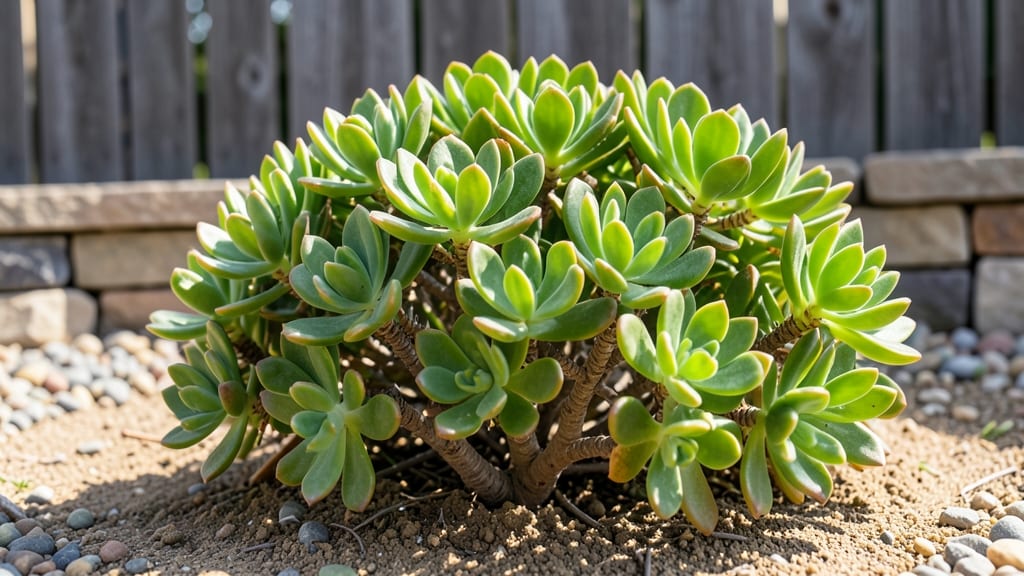
Growing moss rose succulents is like having tiny bursts of color that refuse to quit—even when you forget to water them. 🌸 These cheerful annuals (yes, they're technically not true succulents) pack a punch with their velvety petals and drought-defying nature, making them perfect for containers, hanging baskets, or sunny windowsills.
My first batch bloomed for months straight with almost no care, proving they're the ultimate low-maintenance plant for busy gardeners.
The secret to their success lies in bright light and well-draining soil—think sandy, gritty mixes that mimic their native desert conditions. They thrive in full sun (at least 6 hours daily) and can handle heat waves that would crisp other plants.
Watering is where they shine: let the top inch dry out between drinks, and they'll bounce back from neglect like it's nothing. Overwatering is their only true enemy, so if you're forgetful like me, these are your plants.
You'll be rewarded with nonstop blooms from spring through fall, and with proper winter care (or treating them as annuals), they'll keep gracing your space for years. The flowers come in every color imaginable—pinks, yellows, oranges, even deep purples—and they attract pollinators like crazy.
My balcony hasn't seen this much activity since I added a hummingbird feeder, and the neighbors keep asking where I got them.
Whether you're filling a patio pot, hanging basket, or even a shallow tray on your deck, moss roses adapt beautifully. They're equally happy indoors near a sunny window or outdoors in a mixed container garden. Here's how to get started without killing them (I've been there too).
📚 In This Guide
- What you need
- Instructions
- Tips and common mistakes
- Wrapping up and next steps
What you need
- ● Moss Rose Succulent: 1–3 plants (start with a single cutting or small pot for beginners!)
- ● Well-draining soil: 1–2 gallons of a cactus/succulent mix (add 20–30% perlite or pumice for extra drainage).
- ● Container: Pot with drainage holes (4–6 inches in diameter for 1 plant).
- ○ Optional: Terracotta pots (great for moisture control) or decorative containers with a cache pot underneath.
- ● Pruning shears or clean scissors: For trimming stems (sterilize with rubbing alcohol!).
- ● Watering can with a narrow spout: 1 (to avoid overwatering).
- ○ Spray bottle: For misting leaves (optional but helpful in dry climates).
- ● Fertilizer: Balanced liquid fertilizer (5-5-5 or 10-10-10, diluted to half-strength).
- ○ Optional: Slow-release granules for convenience.
- ● Sunlight access: A south- or west-facing window (or grow lights for indoor setups).
- ● Patience & love: Moss roses thrive with gentle care—no rush! 💚
- ● 🌡️ Temperature: Keep in 60–75°F (15–24°C) ranges—avoid drafts or freezing temps!
- ● ✨ Propagating: Snip healthy stems (3–4 inches long) to grow new plants—no extra cost!
- ● 🎯 Repotting: Upgrade pots every 2–3 years or when roots peek out.
Step-by-step instructions for growing moss rose succulents in containers
Let’s get your moss roses thriving with these simple, foolproof steps for vibrant, year-round growth.
🪴 Step 1: Choose the Right Container and Soil Mix
Moss roses need pots with drainage holes—no exceptions. I use 4-inch terracotta pots for single plants because they wick away excess moisture while keeping roots snug. Skip the decorative cache pots without drainage; trapped water kills these succulents fast.
Fill the pot with a cactus/succulent mix (never regular potting soil—it holds too much moisture). I blend mine with 20% perlite to lighten the mix and prevent compaction. Press the soil down gently so it’s firm but not packed—just enough to hold the plant upright without smothering its roots.
🌱 Step 2: Plant and Water for the First Time
Remove your moss rose from its nursery pot and gently tease the roots if they’re circling. Place it in the center of the pot, then fill around the base with soil until the plant sits at the same depth it was in the nursery pot. Too deep, and stems rot; too shallow, and it topples.
Water only once after planting—just enough to moisten the soil to 1 inch deep. Let the pot drain completely before setting it in its final spot. Overwatering now is the #1 killer of new moss roses. Wait 3-5 days before watering again, until the top ½ inch of soil feels dry to the touch.
☀️ Step 3: Position for Bright, Indirect Light
Moss roses crave bright, indirect light—think east or west windows, or 4-6 feet from a south-facing window. Direct midday sun scorches their leaves, turning them yellow or translucent. If your home has low light, supplement with a grow light kept 6-12 inches away for 12-14 hours daily.
Rotate the pot a quarter turn weekly so the plant grows evenly. You’ll notice one side leaning toward the light? That’s your cue to move it closer or adjust the angle. Leggy growth with stretched stems means it’s not getting enough light—time to relocate.
💧 Step 4: Water and Fertilize for Year-Round Health
Water only when the top 1 inch of soil is bone-dry—stick your finger in to check. In summer, this might mean every 7-10 days; in winter, stretch it to every 3-4 weeks. Always water at the base, never from above. I use a small watering can with a narrow spout to avoid wetting the leaves, which causes rot.
Feed with a balanced liquid fertilizer (10-10-10) diluted to half strength every 6 weeks in spring and summer. Skip fertilizer in fall and winter—these succulents go dormant and don’t need extra nutrients. Yellowing leaves? You’re overwatering. Brown, crispy edges? Time to water.
✂️ Step 5: Prune and Propagate for Full, Bushy Growth
Pinch back leggy stems in early spring to encourage branching. Use clean scissors to snip just above a leaf node—this is where new growth will sprout. I also remove any dead or damaged leaves immediately; they’re entry points for pests and disease. Healthy moss roses should look plump and vibrant, never shriveled or wrinkled.
Propagate cuttings in late spring or early summer when the plant is actively growing. Snip a 3-4 inch stem, let it callus for 24 hours, then place it in a small pot with fresh cactus mix. Keep it in bright, indirect light and mist lightly until roots form in 4-6 weeks. You’ll know it’s rooted when you gently tug and feel resistance.
Tips & tricks for thriving moss rose succulents
These little-known strategies will help you keep your moss roses lush and vibrant year after year.
Soil Mix Secrets: While the instructions mention cactus/succulent mix with perlite, I’ve found adding 10% coarse sand improves drainage even more. This prevents that dreaded soggy soil that causes root rot—especially important in humid climates. The 20% perlite recommendation is perfect, but the extra sand creates tiny air pockets that roots love.
Lighting Upgrades: For those 12-14 hours of grow light needed in low-light conditions, I recommend using full-spectrum LED bulbs instead of basic grow lights. They mimic natural sunlight better and won’t cause that unnatural stretchiness you sometimes see. Position the light just 8-10 inches away for optimal growth—closer than the 6-12 inch range mentioned, but with more powerful LEDs.
Watering Wisdom: The instructions mention waiting 3-5 days before watering after planting, but here’s the thing: your first watering sets the tone. I like to use the "finger test" method—stick your finger in the soil. If it feels damp just below the surface, wait another day. Overwatering at this stage is the silent killer of moss roses, and it’s easy to misjudge how much that initial watering really penetrated.
Propagation Pro Tip: When propagating those 3-4 inch stems, I’ve found using rooting hormone cuts the 4-6 week rooting time nearly in half. Just dip the cut end and plant in the cactus mix. You’ll see roots forming in about 2-3 weeks instead. The 24-hour callusing period is still important—don’t skip it—but this little trick saves time and frustration.
Pro Tips for Moss Rose Succulent
- These little-known strategies will help you keep your moss roses lush and vibrant year after year.
- Soil Mix Secrets: While the instructions mention cactus/succulent mix with perlite, I’ve found adding 10% coarse sand improves drainage even more.
- Lighting Upgrades: For those 12-14 hours of grow light needed in low-light conditions, I recommend using full-spectrum LED bulbs instead of basic grow lights.
Frequently asked questions
How often should I water my moss rose succulent?
Water your moss rose succulent only when the soil is completely dry—usually every 2–3 weeks. Overwatering is the #1 killer! Stick your finger 1–2 inches into the soil; if it’s dry, it’s time to hydrate. Pro tip: Use a pot with drainage holes to prevent root rot.
Can moss rose succulents survive winter outdoors?
Moss roses are tender perennials and can’t handle frost. If you live in a cold climate, bring them indoors before temperatures drop below 40°F (4°C). A sunny windowsill or under grow lights works great. For year-round outdoor growing, plant in USDA Zones 9–11 or use containers for easy relocation.
Why are my moss rose leaves turning yellow or mushy?
Yellow or mushy leaves usually mean overwatering or poor drainage. Let the soil dry out completely between waterings, and ensure your pot has drainage holes. If the issue persists, check for pests like mealybugs or fungal infections. Prune affected leaves to encourage new growth. Act fast!
How do I encourage my moss rose to bloom?
Moss roses bloom in spring/summer with proper care: bright light (6+ hours daily), well-draining soil, and a balanced fertilizer (diluted to half-strength) every 4–6 weeks. Bonus tip: A slight temperature drop at night can trigger blooms!
What’s a good alternative if moss rose succulents are hard to find?
If moss roses (like Portulacaria afra) are scarce, try these low-maintenance succulents with similar vibes:
- String of Pearls (Senecio rowleyanus) – Trailing, drought-tolerant, and unique.
- Echeveria – Rosette-shaped with stunning colors.
- Haworthia – Compact and great for small spaces.
Wrapping up and next steps
The moss rose succulent is a stunning, low-maintenance plant that brings vibrant color and texture to any space—whether you're a beginner or a seasoned gardener. With the right container, soil mix, and care routine, you’ll enjoy its cheerful blooms year-round! 🌸
Ready to level up your succulent game? Start by snagging a moss rose plant (or propagating one from a friend’s!) and give it the love it deserves.
Soon, you’ll be the proud owner of a thriving, container-friendly beauty that turns heads—and maybe even inspires your next gardening adventure. Happy growing! 🌱✨