
Flowers
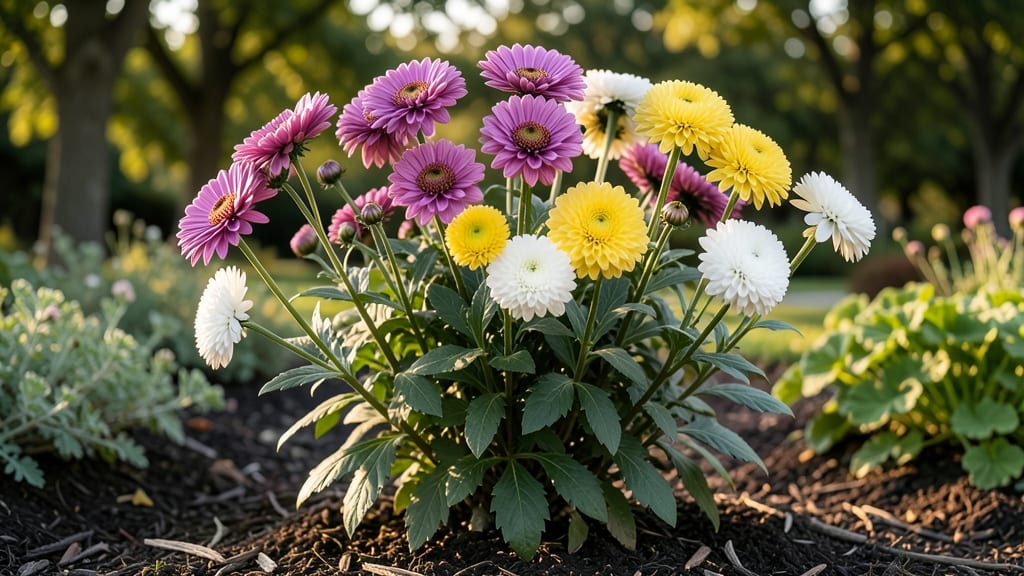
Mums flowers bloom when exposed to cooler temperatures after summer heat — typically from late August through October in most regions, but the timing shifts with variety and climate.
You’ve probably seen those vibrant 🌼 displays in fall gardens, but did you know their bloom time is heat-triggered? The secret lies in the balance between warm days and crisp nights, which is why some mums burst into color earlier while others wait until frost.
In Zone 6, where first frost hits around mid-October, most gardeners plant mums in late summer to catch that sweet spot. But heat-tolerant varieties can stretch blooms into November, while cooler-season types may start as early as late July.
Below, I’ll break down how to time your planting, choose the right varieties, and keep those blooms coming with simple care tips that work in any climate.
How heat triggers mum flower blooming stages by variety
Mums (chrysanthemums) are heat-sensitive plants that bloom in response to daylight hours and temperature shifts. Most varieties need 10-14 hours of daylight to trigger flowering, but heat exposure can accelerate or delay this process.
Cool-season types like ‘Jolinda’ bloom earlier in 50°F+ temperatures, while heat-tolerant hybrids like ‘Dynasity’ thrive in 70°F+ conditions.
Understanding these temperature thresholds helps you choose the right mum varieties for your climate. Early bloomers often struggle in hot summer heat, while late-season types may need cooler fall nights to open fully. Let’s break down how heat triggers each bloom stage by variety.
Cool-season mums like ‘Jolinda’ and ‘Bonanza’ bloom earliest because they respond to shorter daylight hours and cooler temperatures. These varieties often start budding when daytime highs hit 50°F–65°F, making them ideal for northern climates or high-altitude gardens. If planted too late, they may not flower before frost.
Mid-season mums, such as ‘Dynasity’ and ‘Penny’ series, thrive in 60°F–75°F ranges. They require a balance of warm days and cool nights to trigger blooming. In hot summer climates, these varieties may need afternoon shade to prevent heat stress, which can delay flowering by 2–3 weeks.
Heat-tolerant hybrids like ‘Korean Coleus’-type mums and ‘Florist’ varieties can handle 70°F–85°F temperatures, making them perfect for southern gardens. These types often bloom later in the season because they need prolonged warmth before responding to daylength changes.
For example, ‘Dynasity’ may not show buds until late September in hot zones.
Early bloomers like ‘Bright Lights’ are daylength-sensitive and will flower as soon as daylight drops below 12 hours, regardless of temperature. This makes them great for container gardens in urban areas, where heat islands can push temperatures higher.
To encourage early blooms, plant these in partial shade during peak summer heat.
Late bloomers, including ‘Mardi Gras’ and ‘Prairie Star’, need gradual temperature drops to trigger flowering. If summer heat persists into September, these varieties may wait until October to open buds. In mild climates, they can even bloom into December, providing extended seasonal interest.
To maximize bloom time, monitor your local heatwave patterns. If temperatures stay above 85°F for weeks, mums may bolt prematurely or produce smaller blooms. Use mulch to regulate soil temperature and water deeply in the morning to reduce stress. This helps heat-sensitive varieties recover faster after hot spells.
For container-grown mums, choose heat-toler
5 Key factors that delay or extend mum bloom time
Your mums might bloom earlier or later than expected based on simple yet critical factors. Understanding these 5 key triggers helps you adjust care for stunning fall displays. Let’s break down how each element influences your chrysanthemum’s timeline—whether you’re in a hot southern climate or a cooler northern zone.
First, soil temperature sets the stage for blooming. Mums need consistent warmth (60°F–70°F) to trigger flower buds. In hot climates, soil can overheat, causing buds to drop prematurely.
In cooler areas, delayed warmth pushes back bloom time until late September or October. Test your soil’s temperature with a thermometer—aim for 65°F+ for optimal results.
- Soil Temp: 60°F–70°F triggers buds; above 80°F causes stress.
- Sunlight: 6+ hours daily speeds blooming; partial shade delays by 2+ weeks.
- Watering: Deep weekly soaks extend blooms; surface watering causes bud drop.
- Pruning: Pinch back in June for fuller blooms; skip pruning = fewer flowers.
- Fertilizer: Low-nitrogen feed 4–6 weeks before frost; over-fertilizing delays blooms.
Next, sunlight exposure directly impacts bloom timing. Mums thrive in full sun (6+ hours/day), which accelerates flowering. If your garden gets only 4–5 hours, blooms may arrive 2–3 weeks late. In shady spots, prioritize heat-tolerant varieties like ‘Dynasity’ or ‘Mardi Gras’—they adapt better to lower light.
Your watering schedule plays a sneaky role too. Mums hate wet feet but need deep, consistent moisture. Water at the base in the morning to avoid fungal issues that stunt growth.
In hot climates, mulch with 2–3 inches of straw to retain moisture and cool roots, keeping blooms vibrant for weeks longer.
Don’t overlook pruning and pinching. If you skip this step, your mums will produce fewer, larger flowers later in the season. Pinch back new growth in June to encourage bushier plants with more blooms.
For late-season varieties, avoid heavy pruning after mid-August—it can delay blooming until after frost.
Finally, fertilizer timing makes or breaks your bloom schedule. Use a balanced, low-nitrogen feed (5-10-10) 4–6 weeks before frost to strengthen stems and buds. Over-fertilizing in summer shifts energy to leaf growth, pushing back blooms.
In mild climates, a second light feed in early September can extend flowering into November.
By tweaking these 5 factors, you’ll enjoy longer, brighter mum blooms—no matter your climate. Start with soil temperature and sunlight, then fine-tune with water and pruning for perfect timing. Happy gardening! 🌼