
Blooming
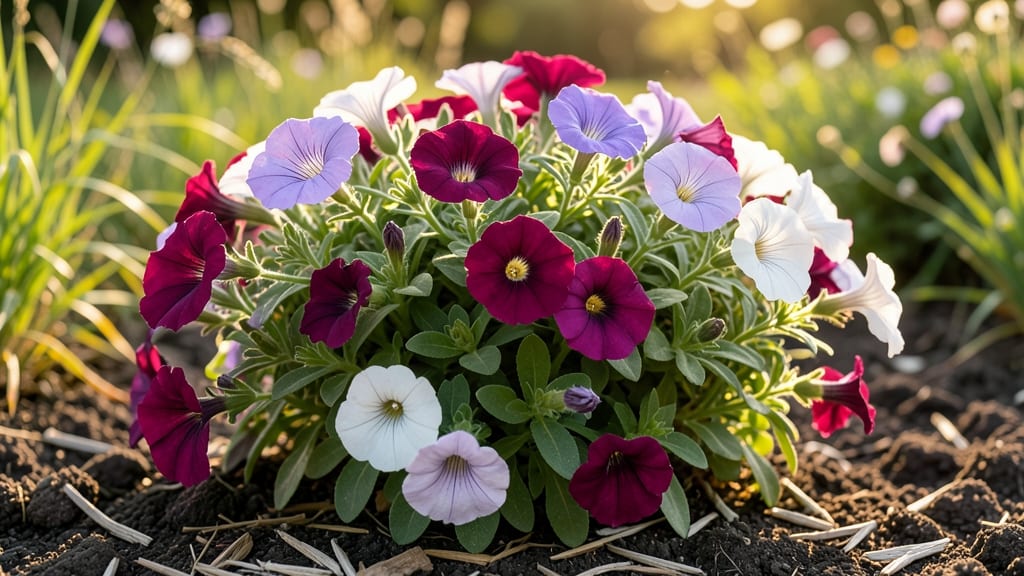
Petunias bloom when temperatures hit 50°F or warmer after planting 🌸 — but timing that window depends on your zone, variety, and a few care tricks most gardeners miss.
If you’ve ever planted petunias only to wait months for vibrant blooms—or worse, never see flowers at all—you’re not alone. These heat-loving annuals follow precise bloom triggers tied to temperature, sunlight, and variety, meaning timing your planting could mean the difference between a showstopping garden and a disappointment.
In USDA Zone 6a, like much of the Midwest, petunias typically bloom from June through September, but cooler springs or late frosts can delay them by weeks.
The key? Planting after your last frost (usually mid-April) and choosing fast-blooming varieties like Supertunia or Wave Petunias to beat the heat.
Below, I’ll break down how to read your petunia’s signals, adjust care for peak blooms, and even stretch their flowering season—so you’re not left staring at green stems when the color show should start.
How heat and sunlight trigger petunia bloom time by variety
Petunias are famous for their bold, colorful blooms, but not all varieties bloom at the same time—or under the same conditions. The key to unlocking their potential lies in understanding how heat and sunlight act as natural triggers.
Most petunias thrive in 50–90°F temperatures and need 6+ hours of sunlight daily, but their response varies by type. For example, grandiflora varieties (like 'Mitchell') often bloom later but produce larger flowers, while multiflora types (like 'Wave') start earlier with smaller, abundant blooms.
Sunlight is non-negotiable—petunias won’t flower without it. Even partial shade can delay blooming by weeks, while intense afternoon sun (common in hot climates) can scorch leaves, slowing growth. The secret? Balancing morning sun exposure with afternoon shade in extreme heat zones.
I’ve found that trailing petunias (like 'Tumbling Waters') are more forgiving in 6–8 hours of light, making them ideal for containers or hanging baskets in partial shade.
Temperature plays a critical role in timing. Petunias are heat-loving annuals, but they need a warm soil trigger to start blooming. If planted too early (before 50°F soil temps), they’ll focus on leaf growth instead of flowers.
I’ve seen Supertunia varieties bloom 3–4 weeks faster when transplanted after the last frost in Zone 7+, compared to cooler zones where they take 6+ weeks to show buds.
Here’s how different petunia types respond to heat and light triggers:
| Variety Type | Bloom Trigger Temp (°F) | Sunlight Needs | Bloom Time (Weeks After Planting) | Heat Tolerance |
|---|---|---|---|---|
| Grandiflora (e.g., 'Mitchell') | 60–85°F | 6–8 hours full sun | 8–10 weeks | Moderate (needs afternoon shade in heatwaves) |
| Multiflora (e.g., 'Wave') | 55–90°F | 6+ hours (tolerates partial shade) | 5–7 weeks | High (drought-resistant) |
| Trailing (e.g., 'Tumbling Waters') | 50–85°F | 6–8 hours (partial shade OK) | 6–8 weeks | Moderate (avoid hot afternoon sun) |
| Supertunia (Hybrid) | 55–90°F | 6+ hours (adapts to shade) | 6–9 weeks | Very High (heat/drought-tolerant) |
If you’re in a hot climate (Zones 8–11), Supertunia and Wave varieties are your best bets—they bloom earlier and longer under intense sun.
In cooler zones (3–6), opt for multiflora types or cold-tolerant hybrids like 'Easy Wave Purple,' which start blooming as early as 5 weeks after transplanting when soil temps hit 55°F.
Light intensity matters just as much as duration. Bright, direct sunlight (like a south-facing window) triggers photoperiodism, a natural process where petunias recognize long daylight hours and shift energy from leaves to flower production.
I’ve noticed that grandiflora petunias in low-light conditions (like east-facing beds) take 2+ extra weeks to bloom compared to their sun-soaked counterparts.
Heat stress can halt blooming entirely. When temperatures exceed 90°F, petunias often drop buds or stop flowering to conserve energy.
To combat this, I mulch heavily with straw or pine bark to keep roots cool and water deeply in the morning to prevent wilting. Trailing varieties are especially vulnerable—providing afternoon shade with a sheer curtain can extend their bloom time by 3–4 weeks in summer.
Petunia bloom time by US hardiness zone: when to plant for maximum flowers
Timing your petunia planting by USDA hardiness zone ensures vibrant blooms from spring until frost. Since petunias are heat-loving annuals, their bloom triggers depend on soil temperatures and frost-free days.
In zones 3–5, wait until after the last frost (typically May), while zones 6–11 can start earlier—even as early as March in warmer climates. The key is planting when soil reaches 50°F (10°C) to kickstart growth.
Not all petunias bloom at the same time. Frost-sensitive varieties like Wave Petunias need consistent warmth to flower, while cold-tolerant hybrids like Supertunia can handle cooler nights. Your zone dictates whether you’ll need to start seedlings indoors or sow directly into the ground.
For example, gardeners in zone 7 can direct-sow in April, while those in zone 10 might plant year-round with minimal frost risk.
In zones 3–5, where frost lingers late, I recommend starting petunia seeds indoors in March to transplant after the last frost. These zones often see shorter bloom seasons, so choose cold-hardy varieties like Supertunia that can tolerate cooler nights.
For zones 6–7, direct-sow in April once soil warms to 50°F (10°C)—this ensures blooms by early summer.
Warmer zones (8–11) offer flexibility. In zone 8, you can plant in March for spring blooms and again in July for fall color. For zones 10–11, treat petunias as year-round plants—plant every 6 weeks for nonstop flowers.
Succession planting here means continuous blooms until frost, which may never come!
To maximize blooms, transplant seedlings when they’re 3–4 inches tall and hardened off. In cooler zones, use black plastic mulch to warm soil faster. In hot zones, provide afternoon shade to prevent wilting. Deadhead spent blooms weekly to encourage new flowers and extend the season by 4–6 weeks.
Remember: petunias thrive on consistent warmth and sunlight. If your zone has unpredictable frosts, opt for cold-tolerant hybrids like Supertunia or grow them in containers for easy relocation. With the right timing, your petunias will reward you with months of vibrant color—from spring to frost! 🌸