
Advice
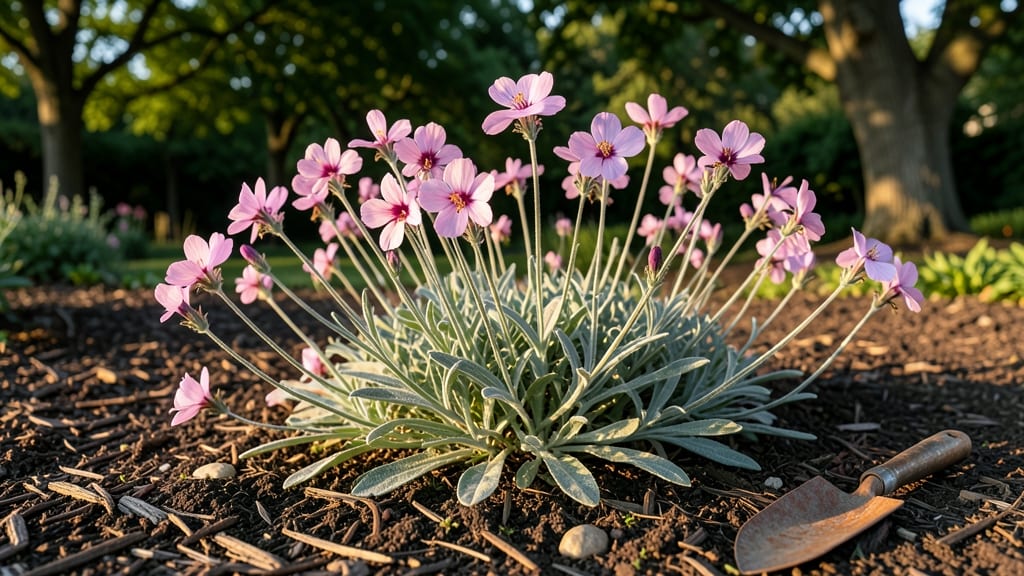
That pink evening primrose is poisonous—beautiful yet dangerous, with every part of the plant packing toxins. compounds that can cause serious reactions in humans, pets, and livestock. Symptoms of exposure range from mild skin irritation to severe stomach upset, vomiting, or even neurological issues if ingested.
The roots and seeds are particularly concentrated with toxins, so accidental ingestion—like a curious dog nibbling on fallen petals—can lead to vet visits. Even handling the plant without gloves might cause rashes in sensitive skin. The good news? You don’t have to give up on pink blooms.
Non-toxic alternatives like evening primrose’s cousin, the California poppy (Eschscholzia californica), offer similar beauty without the risks. Other safe picks include black-eyed Susan (Rudbeckia hirta) or evening primrose hybrids bred for lower toxicity—always check labels before planting.
If you already have pink evening primrose in your garden, keep it away from pets, children, and edible plants. A little caution goes a long way in keeping your garden both stunning and safe.
📚 In This Guide
- What you need
- Instructions
- Tips and common mistakes
- Wrapping up and next steps
What you need
- ● Gloves – Nitrile or rubber gloves (2 pairs, one for handling plants, one for disposal)
- ● Eye protection – Safety goggles (to prevent irritation from sap or debris)
- ● Gardening shears or pruners – Disposable or sterilized tools (for cutting plants)
- ● Heavy-duty trash bags – 2–3 gallon-sized bags (for secure disposal of plant parts)
- ● Rubbing alcohol (70% or higher) – Small bottle (4 oz) (for sanitizing tools)
- ● Vinegar (white, 5% acetic acid) – 1 gallon (for neutralizing skin contact)
- ● First-aid kit – Include antihistamines, hydrocortisone cream, and burn gel
- ● Labeling supplies – Waterproof markers and tags (to mark toxic plants in your garden)
- ● Pet-safe alternatives – Calendula, marigolds, or snapdragons (pre-planted or seeds)
- ● Soil test kit – To ensure your garden’s pH is safe for non-toxic plants
- ● Child/pet barriers – Temporary fencing or warning signs (if keeping toxic plants)
- ● Digital scale – For precise measurements if mixing neutralizing agents
Understanding pink evening primrose toxicity and garden Safety
Pink evening primrose (Oenothera fruticosa) is stunning but toxic—here’s how to handle it safely and find non-toxic alternatives.
Identify Toxic Parts and Symptoms
The entire pink evening primrose plant contains toxic glycosides, particularly in the leaves and stems. Ingestion can cause nausea, vomiting, or diarrhea in humans and pets, while livestock may experience more severe reactions like liver damage. I always wear gloves when handling it and avoid gardens with small children or pets.
Look for signs of exposure: drooling, lethargy, or skin irritation after contact. If ingestion occurs, seek veterinary or medical attention immediately. The plant’s milky sap is especially irritating—wash hands thoroughly after pruning.
Safe Handling Practices
Wear long sleeves, gloves, and eye protection when working with pink evening primrose. Never compost clippings—double-bag them and dispose in household trash to prevent accidental ingestion by wildlife or pets. I keep a small spray bottle of diluted vinegar (1:3 ratio) nearby to neutralize sap on skin.
If you must grow it, plant in a secure, fenced area away from play zones or pet access. Label the plant clearly with warning signs, especially in shared community gardens. Never use pink evening primrose in floral arrangements for indoor spaces.
Non-Toxic Alternatives for Pollinator Gardens
Replace pink evening primrose with safe, pollinator-friendly options like bee balm (Monarda) or black-eyed Susan (Rudbeckia). These provide similar evening blooms without toxicity risks. I’ve found that evening primrose hybrids (like Oenothera biennis ‘Sulphurea’) are less toxic but still require caution.
For ground cover, try creeping thyme or clover—both attract pollinators and are completely safe. Group plants in 3-5 foot clusters to maintain visual impact while reducing accidental contact. Always research new plants for toxicity before adding them to family-friendly spaces.
Emergency Response Protocol
Keep a pet first-aid kit stocked with activated charcoal and vet contact info nearby. For humans, rinse skin immediately with soap and water if sap contacts eyes or broken skin. Save plant samples for identification if symptoms appear—this helps medical professionals respond accurately.
If ingestion is suspected, induce vomiting only under professional guidance. Never use hydrogen peroxide or other home remedies without expert advice. Document the time of exposure and symptoms—this critical information can save time during treatment.
Long-Term Garden Planning
Designate a toxic plant section in your garden, clearly marked with stakes or fencing. I use gravel borders to create natural barriers that discourage pets from wandering into risky areas. For container gardens, choose non-toxic varieties like sunflowers or marigolds to eliminate exposure risks entirely.
Educate family members about plant dangers through simple labels or a garden map. Take photos of toxic plants and share them with local veterinarians—many clinics keep records of common regional toxins. This proactive step can prevent emergencies before they start.
Tips & tricks for managing pink evening primrose safely
Working with this striking but hazardous plant requires careful planning—here's how to minimize risks while still enjoying its beauty.
Gloves and Barriers: I've learned the hard way that even brief skin contact with pink evening primrose sap can cause irritation. Use nitrile gloves (they offer better chemical resistance than latex) and consider wearing long sleeves when handling or pruning. For garden beds, create physical barriers using gravel borders or low fencing—this prevents accidental contact while maintaining visual appeal.
Vinegar Neutralization: Keep a spray bottle of diluted white vinegar (1 part vinegar to 3 parts water) nearby when working with this plant. The acetic acid helps neutralize the milky sap on skin immediately after contact. I keep mine in a small, labeled spray bottle on my gardening apron for quick access. Test on a small skin area first if you have sensitive skin.
Alternative Plant Placement: If you must grow pink evening primrose, position it in elevated containers rather than ground-level beds. This reduces the risk of pets or children coming into contact with the plant. For ground planting, choose the back corner of your garden, far from play areas, and clearly mark the location with warning signs. I've seen gardeners use decorative stakes with bold red-and-white striped tape for visibility.
Emergency Preparedness: Assemble a basic first-aid kit specifically for garden-related incidents. Include activated charcoal tablets (for ingestion cases), a skin flush solution, and a list of emergency contacts including your vet and local poison control center. I keep mine in a waterproof pouch attached to my gardening belt—ready for quick access during emergencies. Document your garden's toxic plants with photos and share them with your vet for reference.
Pro Tips for Pink Evening Primrose Poisonous
- Working with this striking but hazardous plant requires careful planning—here's how to minimize risks while still enjoying its beauty.
- Gloves and Barriers: I've learned the hard way that even brief skin contact with pink evening primrose sap can cause irritation.
- Vinegar Neutralization: Keep a spray bottle of diluted white vinegar (1 part vinegar to 3 parts water) nearby when working with this plant.
Frequently asked questions
Is pink evening primrose toxic to humans?
No, pink evening primrose (Oenothera biennis) is not toxic to humans. While it contains mild irritants like saponins, these aren’t dangerous unless consumed in extremely large quantities. However, never ingest it—stick to ornamental use or cut flowers for arrangements!
Can pink evening primrose harm pets if eaten?
Yes! This plant can cause mild to moderate toxicity in pets (especially dogs and cats) due to its saponin content. Symptoms may include drooling, vomiting, or skin irritation. If your pet ingests it, contact your vet immediately. Keep pets away from gardens where it grows.
How long does it take for toxicity symptoms to appear in pets?
Symptoms typically show within 6–24 hours after ingestion. Mild cases (like drooling or stomach upset) may resolve quickly, but severe reactions—like diarrhea or lethargy—require veterinary care. Remove the plant from your yard if pets have access to it!
Are there safe alternatives to pink evening primrose for gardens?
Try these non-toxic, low-maintenance alternatives:
- Black-eyed Susan (Rudbeckia hirta) – Bright yellow blooms, pet-safe.
- Marigold (Tagetes) – Pest-repellent and cheerful!
- Zinnia (Zinnia elegans) – Edible petals (if organic).
- Sunflower (Helianthus annuus) – Giant blooms, no toxicity.
What should I do if my pet eats pink evening primrose?
Act fast! Do not induce vomiting unless instructed by a vet. Instead:
- Remove plant debris from their mouth.
- Call your vet or the ASPCA Animal Poison Control Center (888-426-4435).
- Monitor for symptoms like vomiting, weakness, or pawing at the mouth.
Wrapping up and next steps
While pink evening primrose adds beauty to gardens, it’s crucial to recognize its toxic risks—especially to pets and children. Always opt for non-toxic alternatives like marigolds or calendula to keep your space safe and vibrant. 🌸
If you’re already growing evening primrose, supervise kids and pets and consider relocating the plant to a secure area. Now’s the perfect time to explore pet-friendly flowers or consult a local nursery for expert advice. Your garden—and your loved ones—will thank you!