
Planting
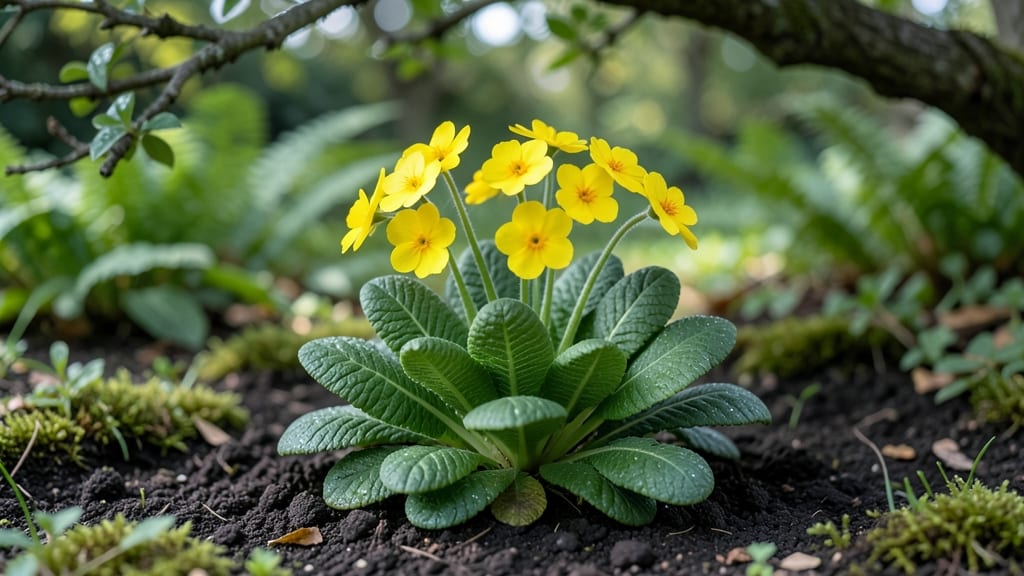
Those sad primrose plant leaves might look like a lost cause, but a few easy tweaks can bring them back to life—here’s how I revived mine after my soggy soil blunder. 🌿 The key isn’t drastic measures but understanding what’s stressing your plant: too much water, pests, or even the wrong light.
Start by checking the soil—it should feel damp but not soggy. Yellowing leaves? That’s often overwatering, while brown spots scream fungal trouble or thirst. My primroses bounce back fastest when I trim dead stems at the base and give them bright, indirect light.
The 5-step process below keeps them lush without guesswork.
Within days, you’ll see fresh green leaves pushing through, and those wilted stems will perk up like they’re new. The secret’s in the details: adjusting water, checking for pests, and giving them the right spot. No fancy tools needed—just your hands and a little patience.
Works for both primula varieties and those hybrid beauties. Here’s how to bring them back to life without losing your sanity (or your plants).
📚 In This Guide
- What you need
- Instructions
- Tips and common mistakes
- Wrapping up and next steps
What you need
- ● Primrose plant – Any variety with wilted or drooping leaves (ensure it’s not severely diseased).
- ● Pruning shears or clean scissors – Sharp and sterilized (rubbing alcohol wipe recommended).
- ● Room-temperature water – 1–2 gallons (for rehydration or bottom-watering).
- ● Spray bottle – 8–16 oz, filled with distilled or rainwater (avoid tap water with chlorine).
- ○ Household humidifier or tray – Optional but helpful for humidity-loving primroses.
- ● Well-draining potting mix – 1–2 gallons, preferably peat-based or organic blend (avoid heavy clay).
- ● Small container or bucket – For bottom-watering (if stems are severely wilted).
- ○ Gloves (optional) – To protect hands from soil or sap.
- ● Plant food or seaweed extract – Diluted (follow package instructions) to boost recovery.
- ● Rooting hormone gel – If you plan to propagate cuttings from healthy stems.
- ● LED grow light – For low-light conditions (12–16 hours/day).
- ● Thermometer/hygrometer – To monitor ideal temps (50–65°F) and humidity (50–70%).
- ● Mulch or pebbles – To retain moisture around the base.
How to revive wilted primrose leaves in minutes
Even the hardiest primroses can lose their perkiness—here’s how to bring them back to life without stress.
💧 Step 1: Check the Roots for Moisture
Gently lift the plant from its pot and examine the root ball. If it feels bone-dry or the soil has pulled away from the edges, your primrose is thirsty. Primroses prefer consistently moist (but not soggy) soil—think of a wrung-out sponge. If the roots look shriveled or brittle, they’ve been underwatered for too long.
Here’s the thing—primroses hate extremes. If the soil feels damp but heavy, it’s likely overwatered. You’ll see yellowing leaves or mushy stems first. For underwatered plants, soak the root ball in lukewarm water for 10-15 minutes until air bubbles stop rising. For overwatered ones, let it sit in a shallow tray of water for just 5 minutes to rehydrate without drowning the roots.
☀️ Step 2: Adjust Light Exposure Immediately
Wilting often starts with too much sun. Primroses thrive in partial shade (3-6 hours of morning sun), but direct afternoon rays can scorch leaves in minutes. If your plant’s leaves look crispy or bleached along the edges, it’s getting too much light. Move it to a spot where it gets dappled shade—like under a sheer curtain or near an east-facing window.
If the wilting happened after a recent move, don’t panic. Primroses adjust quickly. Watch for new growth in 3-5 days—that’s your sign the light is just right. I always test a leaf’s resilience by gently pressing it: if it springs back, the light is perfect. If it stays limp, move it another foot away from the window.
🌿 Step 3: Trim Damaged Foliage for Recovery
Snip off any leaves that are completely brown, mushy, or hollow (a sign of rot). Use clean, sharp scissors to cut just above a leaf node or healthy stem. This might seem drastic, but removing dead foliage lets the plant focus its energy on recovery. I promise, the new growth will be stronger than ever.
Don’t cut into green stems—only remove what’s clearly damaged. You’ll see fresh, vibrant buds forming at the base of the plant within 1-2 weeks. If you’re unsure whether a leaf is salvageable, wait 24 hours. If it’s still limp, trim it. This step prevents further stress on the plant.
⏰ Step 4: Water with Precision (Not Guesswork)
Water primroses at the base, avoiding the leaves to prevent fungal diseases. Use room-temperature water—cold water shocks the roots. Let the soil dry out slightly between waterings: stick your finger 1 inch deep into the soil. If it’s dry, it’s time to water. If it’s still damp, wait another day.
Overwatering is the #1 killer of primroses. I’ve lost count of how many times I’ve seen a thriving plant wilt overnight after a heavy watering. Use a pot with drainage holes and a saucer to catch excess water—empty it after 10 minutes. Mulch the soil surface with a thin layer of sphagnum moss (if you have it) to retain moisture without suffocating the roots.
🪴 Step 5: Repot if the Soil is Depleted
If your primrose has been in the same pot for over a year, its soil may have compacted or lost nutrients. Gently remove it and check the roots: if they’re circling the bottom or look root-bound, it’s time to repot. Choose a container just 1-2 inches larger in diameter—bigger pots hold too much moisture and encourage rot.
Fill the new pot with fresh, well-draining potting mix (equal parts peat moss, perlite, and compost). Water lightly after repotting to help the roots settle. You’ll notice a difference in 2-3 weeks as the plant regains vigor. I always repot in spring, but if your primrose is struggling, don’t wait—revival starts with fresh soil.
Tips & tricks for reviving wilted primrose leaves
Here's what nobody tells you about bringing primroses back to life—these simple tweaks make all the difference.
Root Assessment Trick: When checking moisture in Step 1, gently squeeze the root ball—it should feel like a damp sponge, not a rock or a soggy rag. If you're unsure, stick your finger 1 inch deep: dry soil means underwatering, while damp soil that clumps together signals overwatering. This quick test saves you from guessing whether to soak for 10-15 minutes or just 5 minutes.
Light Test Secret: For Step 2, I've found the "leaf bounce test" works better than just moving the plant. Gently press a leaf with your finger—if it springs back immediately, the light is perfect. If it stays limp, move the plant another foot away from the window. This visual cue tells you exactly when you've found that sweet spot of partial shade.
Pruning Precision: In Step 3, don't be afraid to be aggressive with dead leaves. Cut all the way back to the healthy stem—this might look drastic, but it's what gives your primrose the energy to grow fresh foliage. You'll notice new buds forming within 1-2 weeks, and those will be stronger than ever. Just remember: never cut into green stems, even if they look weak.
Watering Hack: For Step 4, use the "finger test" method religiously. Stick your finger 1 inch deep—if it comes out clean, water thoroughly. If it's still damp, wait another day. This prevents both underwatering and overwatering, which are the two biggest reasons primroses wilt. And always use room-temperature water—cold water shocks the roots and can set your plant back.
Pro Tips for Primrose Plant Leaves
- Here's what nobody tells you about bringing primroses back to life—these simple tweaks make all the difference.
- Root Assessment Trick: When checking moisture in Step 1, gently squeeze the root ball—it should feel like a damp sponge, not a rock or a soggy rag.
- Light Test Secret: For Step 2, I've found the "leaf bounce test" works better than just moving the plant.
Frequently asked questions
Got questions about primrose plant leaves? You’re not alone! Whether you're troubleshooting wilting stems or curious about care tips, here are answers to the most common queries—so you can keep your primroses thriving.
Why are my primrose leaves turning yellow?
Yellowing leaves often signal overwatering or poor drainage. Primroses prefer moist (not soggy) soil. Check the roots—if they’re mushy, reduce watering and repot in well-draining mix. Yellow edges? It could be fluoride buildup from tap water. Try rainwater or distilled water instead.
How often should I water primrose leaves?
Water when the top inch of soil feels dry (about 1–2 times per week, depending on climate). Primroses hate dry soil but despise soggy roots. Use a saucer under pots to catch excess water—empty it after 15 minutes to prevent rot. Pro tip: Mist leaves lightly in dry air to mimic their woodland habitat.
Can I use primrose leaves in cooking or teas?
Most primrose varieties (Primula spp.) are toxic if ingested, especially raw. Some edible primroses (like Primula denticulata) are used in teas or salads only when cooked. Always confirm the species with a local nursery before consuming. When in doubt, admire their beauty—safely!
What pests target primrose leaves?
Watch for aphids, spider mites, or slugs. Aphids cluster on new growth; blast them off with water or use insecticidal soap. Spider mites cause yellow speckles—wipe leaves with neem oil. Slugs leave slime trails? Set beer traps or use diatomaceous earth. Prevent pests: Keep plants in partial shade and avoid overcrowding.
Do primrose leaves survive winter outdoors?
Hardy primroses (like Primula vulgaris) tolerate USDA Zones 3–8 with mulch. Tender varieties need winter protection: move pots to a cool, shaded spot (50–60°F) or cover with burlap. Avoid frost—it can damage leaves. In spring, trim dead foliage to encourage fresh growth.
Wrapping up and next steps
Reviving wilted primrose plant leaves doesn’t have to be a daunting task—with the right care and a little patience, you can bring new life to your garden gems! 🌱 Whether it’s adjusting watering habits, pruning strategically, or boosting soil health, these steps are your secret weapon for lush, vibrant primroses. Now’s your chance to roll up your sleeves and give your plants the TLC they deserve!
Ready to see the difference? Start with just one of these techniques today—your primroses will thank you with blooms that steal the show! 🌸