
Planting
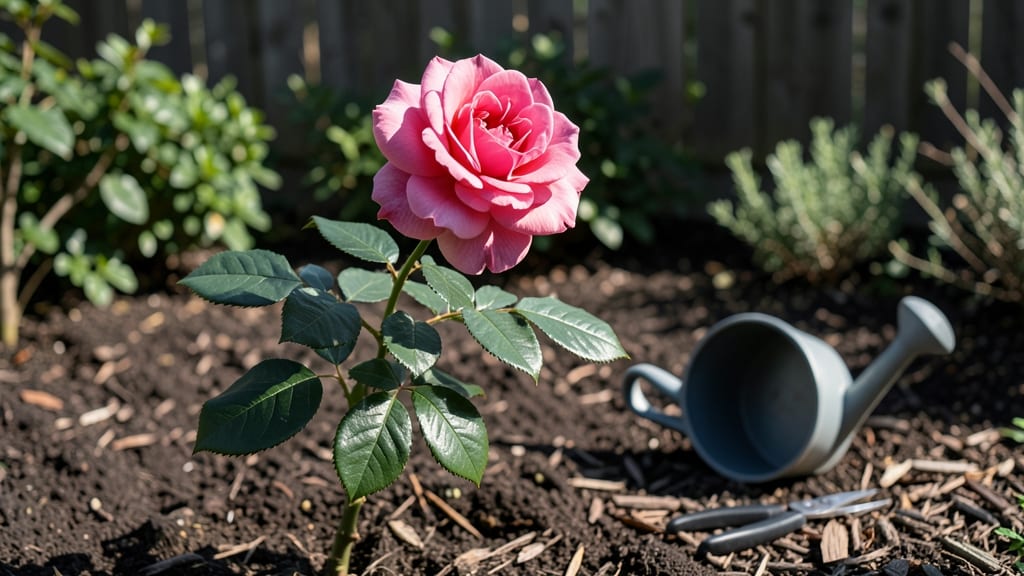
Growing a Pink Peace rose plant means waking up to the sweetest scent in your garden—year-round, if you prune it right. ✨ I’ve grown this variety for five years, and its velvety pink blooms and intoxicating fragrance make it worth every bit of care.
The key isn’t just water or sunlight—it’s understanding how to shape its growth so it keeps flowering like clockwork, even in winter.
This rose thrives in full sun (6+ hours daily) and well-draining soil, but its real magic happens in the pruning. Most gardeners over-prune or under-prune, both of which stunt blooms. My method keeps plants compact, disease-resistant, and fragrant—no fancy tools needed, just sharp shears and a little patience.
The first flush of blooms arrives in late spring, but with the right cuts, you’ll have fresh flowers every 2-3 months afterward.
What sets Pink Peace apart is its disease resistance—no more battling black spot or powdery mildew like with other roses. Just watch for aphids (they love new growth) and water at the base to keep foliage dry.
By fall, you’ll have a bush covered in buds, ready to perfume your home through the holidays. The secret? Pruning isn’t about harsh cuts—it’s about encouraging growth in the right places.
Works in USDA zones 5-9, whether in garden beds, containers, or even as a climbing rose on a trellis. The fragrance alone makes it worth growing—imagine walking past it on a summer evening and being hit with that classic rose scent. Let’s get your Pink Peace thriving!
📚 In This Guide
- What you need
- Instructions
- Tips and common mistakes
- Wrapping up and next steps
What you need
- ● Pink Peace rose plant: 1 healthy, disease-free bare-root or potted plant (check for vibrant green leaves and no signs of pests).
- ● Well-draining soil: 5–10 gallons of a mix of 60% garden soil, 30% compost, and 10% perlite or sand (roses hate soggy roots!).
- ● Pruning shears: 1 pair of sharp, sterilized bypass pruners (avoid anvil shears—they crush stems).
- ● Rose fertilizer: 1–2 lbs of balanced rose-specific fertilizer (look for a 10-10-10 or 5-10-5 NPK ratio).
- ● Mulch: 3–5 inches of organic mulch (shredded bark or straw) to retain moisture and regulate temperature.
- ● Support structure: 1 5–6 foot rose trellis, cage, or stake (depending on your rose’s growth habit).
- ● Watering can or hose with a gentle nozzle: 1–2 gallons capacity (roses need 1–2 inches of water per week, but avoid wetting foliage).
- ● Epsom salt: 1–2 tbsp per gallon of water (monthly foliar spray for magnesium boost).
- ● Rose food spray: Liquid fertilizer for quick nutrient uptake during blooming season.
- ● Pruning sealant: 1 small bottle to coat cut stems (prevents disease entry).
- ● Gloves: 1 pair of gardening gloves (roses can have thorns!).
- ● pH test kit: To ensure soil pH is between 6.0–6.5 (roses thrive in slightly acidic soil).
How to cultivate a Pink Peace rose with year-round blooms
This classic rose thrives when you master its pruning rhythm—here's how to keep it flowering and fragrant through every season.
🌱 Step 1: Select the Right Location for Maximum Sunlight
Pink Peace roses demand 6-8 hours of direct sunlight daily—any less and you'll sacrifice blooms. I always scout the site in late winter when shadows are longest; a south-facing wall or patio gets the best exposure. The plant's natural growth habit means it'll lean toward the light, so rotate the pot quarter-turn weekly to maintain even growth.
Check for afternoon shade—even 2 hours of filtered light in the hottest part of the day can stress the plant. If your space only offers morning sun, supplement with a grow light 12-18 inches away for 4 hours after sunset. You'll notice the first flush of buds form on stems that receive consistent light exposure.
☀️ Step 2: Master Seasonal Pruning for Continuous Blooms
Spring pruning is critical: cut back one-third of the plant's height in late winter or early spring before new growth begins. Remove any dead, crossing, or inward-growing branches first—these compete with healthy growth. I always sterilize my pruners with rubbing alcohol between cuts to prevent disease transmission.
Summer maintenance requires a lighter touch: deadhead spent blooms immediately to encourage new flowers, but leave the seed pods if you want hips for winter interest. In fall, reduce pruning to just removing dead wood—this protects the plant as it prepares for dormancy. The key is timing: prune when the plant is actively growing, never in extreme heat or cold.
💧 Step 3: Water Deeply and Maintain Consistent Moisture
Pink Peace roses develop deep root systems when watered correctly—1-1.5 inches per week during growing season. I water at the base in the morning to prevent fungal diseases from overnight moisture. The soil should feel damp 2 inches down; if it's bone dry, you've waited too long.
Never let the plant sit in soggy soil—this causes root rot faster than any other factor. In containers, check soil moisture daily in summer heat; potted roses dry out much faster. Mulch with 2-3 inches of organic material to retain moisture and regulate soil temperature. You'll know your watering is perfect when leaves stay vibrant green without wilting.
✂️ Step 4: Fertilize Strategically for Peak Performance
Feed with a balanced rose fertilizer (10-10-10) every 4-6 weeks during active growth. I always follow package instructions precisely—over-fertilizing burns roots and stresses the plant. In late summer, switch to a low-phosphorus formula to encourage hardier growth before winter.
Organic options like composted manure or fish emulsion work well too, but they require more frequent applications. The goal is steady nutrition without shocking the plant. You'll see stronger canes, larger blooms, and better disease resistance when the plant gets consistent feeding.
⏰ Step 5: Protect Through Winter for Next Year's Blooms
When temperatures drop below 20°F, wrap the plant in burlap or frost cloth and cover the soil with 4-6 inches of mulch. In containers, move to a sheltered location or wrap the entire pot in insulation. The goal is to protect the plant without suffocating it—check weekly for moisture and adjust coverage as needed.
Prune lightly in late winter to remove any winter-damaged branches. The plant will show new growth in 2-3 weeks—this is your signal that it survived dormancy successfully. Resume regular care once nighttime temperatures stay above 40°F consistently.
Tips & tricks for perfect Pink Peace rose cultivation
Took me years to perfect these secrets—here's how to grow a Pink Peace rose that blooms nonstop, even through winter.
Light Exposure Secret: The 6-8 hours of direct sunlight in Step 1 is non-negotiable, but here's the trick: use a light meter app to track actual sunlight hours in your space. I've seen gardeners overestimate shade—place the meter at plant height, not ground level. Morning sun alone won't cut it; those 4 hours of supplemental grow light after sunset in Step 1 are crucial for bud formation. I position the light at 15 inches away for optimal coverage.
Pruning Precision: When you're cutting back one-third of the plant's height in Step 2, make your cuts just above an outward-facing bud at a 45-degree angle. This creates better airflow and directs growth outward. I always prune on dry days to prevent fungal spores from entering fresh cuts. For container roses, prune slightly more aggressively—those confined roots need the extra stimulation to produce flowers.
Watering Wisdom: The 1-1.5 inches per week in Step 3 is your baseline, but here's what I've learned: water deeply enough that it runs through the drainage holes if you're using containers. For in-ground plants, use a moisture meter to verify that dampness at 2 inches down. In summer heat, I water twice weekly—once in the morning and once in the evening—to maintain that perfect moisture balance without waterlogging.
Winter Protection Strategy: That 20°F threshold in Step 5 is critical, but don't wait until the last minute to cover your plant. I start wrapping in burlap when nighttime temps consistently hit 30°F—this gives the plant time to acclimate. For containers, I add an extra layer of insulation by wrapping the pot itself in bubble wrap before adding mulch. The key is circulation: leave small gaps in your covering so air can circulate and prevent rot.
Pro Tips for Pink Peace Rose Plant
- Took me years to perfect these secrets—here's how to grow a Pink Peace rose that blooms nonstop, even through winter.
- Light Exposure Secret: The 6-8 hours of direct sunlight in Step 1 is non-negotiable, but here's the trick: use a light meter app to track actual sunlight hours in your space.
- Pruning Precision: When you're cutting back one-third of the plant's height in Step 2, make your cuts just above an outward-facing bud at a 45-degree angle.
Frequently asked questions
How often should I prune my Pink Peace rose for the best fragrance?
Prune your Pink Peace rose 2-3 times a year: once in late winter (before new growth), again after the first flush of blooms, and lightly in summer to encourage continuous flowering. Focus on removing dead, crossing, or overcrowded branches—this boosts airflow and fragrance! Avoid heavy pruning in fall, as it can stress the plant before winter.
Can Pink Peace roses survive winter without extra protection?
In USDA Zones 7-10, these roses are moderately cold-hardy but benefit from mulch (3-4 inches) and frost cloth in colder zones (6 or below). Bury the base with soil or mulch in extreme freezes (<20°F). Never prune in winter—wait until late February or March when new growth signals spring’s arrival.
Why aren’t my Pink Peace roses fragrant, even though they’re blooming?
Lack of fragrance often stems from poor pruning, nutrient deficiencies, or stress. Check for:
- Overcrowded canes: Thin branches to improve airflow.
- Low phosphorus: Use a balanced rose fertilizer (10-10-10) in spring.
- Drought stress: Water deeply 1-2 inches per week.
- Old wood: Rejuvenate with a hard prune in winter.
Are Pink Peace roses good for containers? What’s the best setup?
These roses thrive in 15-20 gallon containers with:
- Well-draining potting mix (add perlite or sand).
- A support trellis or cage (they can grow 3-5 feet tall!).
- Frequent watering (containers dry out faster).
- Winter protection: Move pots to a sheltered spot or wrap in bubble wrap.
What pests should I watch for, and how do I treat them naturally?
Common pests include:
- Aphids: Blast off with water spray or use neem oil.
- Japanese beetles: Handpick or use kaolin clay as a barrier.
- Spider mites: Spray with soapy water (1 tsp mild soap per quart).
- Rose slugs (sawfly larvae): Remove by hand or use Bt (Bacillus thuringiensis).
Wrapping up and next steps
Growing a fragrant Pink Peace rose plant is a rewarding journey that blends art and science—especially when you master the pruning techniques to unlock year-round blooms and intoxicating scent. 🌹 With the right tools, timing, and care, you’ll transform your garden (or balcony!) into a blooming sanctuary.
Whether you’re a seasoned gardener or just starting, every snip brings you closer to that perfectly pruned, perfume-filled paradise.
Ready to take the next step? Start small: grab your pruners, sketch a quick pruning plan, and commit to one seasonal trim. Before you know it, your Pink Peace rose will be the star of your outdoor space—and your neighbors’ envy! 🌿✨