
Flowers
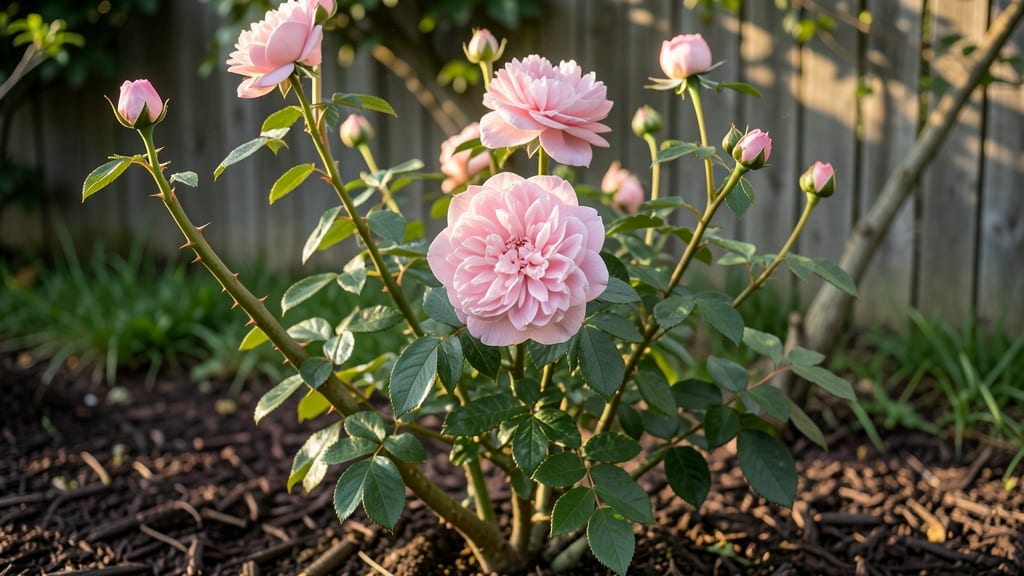
The pink peony rose isn't just a climber—it's a garden's fragrant centerpiece that steals every season. 🌸 I planted mine last spring, and now it drapes my arbor in blush-hued blooms from June through frost, with the sweetest scent that lingers at dusk.
The secret lies in its layered petals that catch the light differently each hour, turning ordinary borders into showstoppers.
Pair it with lavender for contrast or clematis for vertical drama—both thrive in the same sun and soil. My design trick? Plant it near seating areas where the fragrance becomes part of the experience. Even in containers, it transforms patios into romantic retreats with minimal effort.
The care is simple: prune after blooming, feed lightly in spring, and watch it reward you with 3-4 feet of lush growth each year.
What makes this rose truly magical is how it changes with the light—morning blooms glow like fresh silk, while afternoon sun deepens the pink to rose-gold. Combine it with dwarf coneflowers at its base for texture, and you've got a border that feels both classic and effortlessly chic.
The fragrance alone makes it worth the space, but the way it softens hard edges? That's the real game-changer.
Works equally well in cottage gardens, modern landscapes, or even as a focal point for small spaces. The key is giving it 6+ hours of sun and well-draining soil—once established, it's nearly indestructible. Here's how to make it the star of your garden without the fuss.
📚 In This Guide
- What you need
- Instructions
- Tips and common mistakes
- Wrapping up and next steps
What you need
- ● Pink Peony Rose Plant: Choose a Rosa 'Peony' (or similar hybrid climber) from a reputable nursery. Ensure it’s disease-resistant (e.g., Rosa 'New Dawn' or 'Blaze' for peony-like blooms). Quantity: 1 per climbing structure.
- ● Well-Draining Soil: Mix 1 part garden soil with 1 part compost and 1 part perlite/sand for optimal aeration. pH: Aim for 6.0–6.5 (slightly acidic).
- ● Fertilizer: Balanced Rose Food (10-10-10 or 5-10-5): Apply at planting and monthly during growing season.
- ● Organic Option: Composted manure or worm castings (rich in nitrogen).
- ● Support Structure: Climbing Trellis: Metal, wooden, or PVC pipe (6–10 ft tall). Diameter: 2–4 inches for stability.
- ● Ties: Soft plant ties or garden twine (avoid wire—it can damage stems).
- ● Garden Gloves: Heavy-duty (to protect from thorns and sharp soil).
- ● Pruning Shears: Sharp, bypass-style (sterilize with rubbing alcohol).
- ● Trowel & Shovel: For digging holes (size: 12–18 inches deep/wide).
- ● Watering Can or Hose: With a gentle spray nozzle (roses hate soggy roots!).
- ● Mulch: 2–3 inches of shredded bark or wood chips (retains moisture, deters weeds).
- ● Rose Food Spikes: Slow-release granules for convenience.
- ● Epsom Salt: 1 tbsp/month in water (boosts magnesium for vibrant blooms).
- ● Pest Control: Neem oil or insecticidal soap (for aphids/spider mites).
- ● Shade Cloth: 30% coverage for young plants in scorching climates.
Step-by-step guide to planting and caring for pink peony roses
Here’s how to grow a fragrant, season-long display—no fancy tricks required.
🌱 Step 1: Choose the Perfect Planting Spot
Pink peony roses thrive in full sun—pick a location with at least 6 hours of direct sunlight daily. I always check the area for shade patterns throughout the day; even partial shade can weaken blooms. The soil should drain well, but don’t plant in rocky ground—roots need room to spread.
Test drainage by digging a hole and filling it with water. If it doesn’t drain within 2 hours, amend the soil with 2-3 inches of compost or plant in a raised bed. Pink peony roses also love shelter from strong winds, so avoid exposed corners of your yard.
🪴 Step 2: Plant at the Right Time and Depth
Plant your pink peony rose in early spring or fall, when temperatures are cool but not freezing. Dig a hole twice as wide as the root ball but only as deep—the top of the root ball should sit 1-2 inches below soil level. This prevents crown rot, a common issue with roses.
Gently loosen the roots if they’re circling the pot, then place the plant in the hole. Fill around it with native soil mixed with 1 part compost to improve fertility. Water deeply until the soil settles, then add more soil if needed to keep the plant upright. Mulch with 2-3 inches of organic mulch to retain moisture and suppress weeds.
☀️ Step 3: Water and Feed for Strong Growth
Water your rose deeply once a week (or more in extreme heat) until the top 6 inches of soil feel moist. Overwatering is worse than underwatering—pink peony roses hate soggy roots. I check soil moisture by sticking my finger in; if it’s dry past 1 inch, it’s time to water.
Feed with a balanced rose fertilizer (like 10-10-10) every 4-6 weeks during the growing season. Start fertilizing in early spring and stop by late summer to encourage strong root development for winter. Avoid high-nitrogen fertilizers—they produce lush leaves but fewer blooms.
✂️ Step 4: Prune for Health and Blooms
Prune your pink peony rose in early spring before new growth starts. Remove dead, diseased, or crossing branches first, then cut back last year’s blooms to just above a healthy bud. This encourages bushier growth and more flowers. I always sterilize my pruners with rubbing alcohol between cuts to prevent disease spread.
Deadhead faded blooms throughout the season to keep the plant focused on producing new flowers. In late fall, do a light pruning to remove any weak or leggy growth, but leave most of the structure intact. This helps the rose recover quickly in spring.
🌿 Step 5: Protect and Maintain for Long-Term Beauty
Watch for aphids or black spot—common pests and diseases in roses. Spray leaves with neem oil at the first sign of trouble, and avoid overhead watering to keep foliage dry. Pink peony roses are generally hardy, but a thick layer of mulch in winter helps insulate roots from freezing temperatures.
Every 2-3 years, refresh the soil around the base with 1-2 inches of compost to replenish nutrients. If your rose stops blooming or grows weakly, it might need more sunlight or fertilizer. With consistent care, your pink peony rose will reward you with fragrant, repeat blooms from spring to fall.**
Tips & tricks for perfect pink peony rose care
Took me years of trial and error to master these simple secrets for thriving pink peony roses.
Sunlight Strategy: Those 6 hours of daily sun are non-negotiable, but here's the trick: track sun patterns throughout the day. Morning sun is gentler, while afternoon sun can scorch young leaves. If your yard has afternoon shade, position the rose where it gets morning sun and early afternoon light instead. I've seen roses struggle in spots that seem sunny at first glance but get blocked by trees or buildings later in the day.
Soil Test Hack: Before planting, mix a handful of native soil with water in a jar. If it separates clearly with water on top after 2 hours, your soil drains well. If it stays muddy, you'll need that 2-3 inches of compost—it's the difference between thriving roots and waterlogged crown rot. I keep a jar of my garden soil on hand to test any new planting spots.
Watering Wisdom: The "finger test" for soil moisture works best when you're consistent about where you check. Always test at the same depth (about 1 inch down) and same time of day (early morning). If you're watering more than once a week in summer, you might be overwatering—pink peony roses prefer deep, infrequent watering that encourages strong root growth. I set a reminder for every 7 days unless we've had recent rain.
Pruning Pro Tip: When you're cutting back last year's blooms in Step 4, look for the outward-facing buds—they'll produce flowers that grow away from the center, creating a fuller bush. And here's what nobody tells you: after your initial spring pruning, wait 2-3 weeks before deadheading. This gives the plant time to establish new growth before removing spent blooms.
Pro Tips for Pink Peony Rose
- Took me years of trial and error to master these simple secrets for thriving pink peony roses.
- Sunlight Strategy: Those 6 hours of daily sun are non-negotiable, but here's the trick: track sun patterns throughout the day.
- Soil Test Hack: Before planting, mix a handful of native soil with water in a jar.
Frequently asked questions
Got questions about nurturing your pink peony rose? You’re not alone! Here are answers to the most common queries to help you keep this fragrant climber thriving all season.
How often should I water my pink peony rose?
Water deeply once a week during the first year, then adjust based on weather. Aim for 1-2 inches of water per week—more in extreme heat (), less in rainy seasons. Mulch helps retain moisture and protects roots.
When is the best time to prune my pink peony rose?
Prune late winter or early spring (before new growth starts) to shape the plant and encourage blooms. Never prune in fall—it can stimulate tender growth that won’t survive winter frost. Use clean, sharp shears to avoid disease.
Why aren’t my pink peony roses blooming?
Bloom issues often stem from over-fertilizing with high nitrogen (promotes leaves, not flowers), poor sunlight (6+ hours of direct sun is ideal), or pruning at the wrong time. Try a balanced bloom fertilizer (like 10-10-10) in early spring.
What pests commonly attack pink peony roses, and how do I treat them?
Watch for aphids, spider mites, or Japanese beetles. For mild infestations, spray with neem oil or insecticidal soap. Severe cases may need pyrethrin-based sprays. Prevent pests by removing debris and encouraging beneficial insects like ladybugs.
Can I grow pink peony roses in containers?
Yes! Choose a large container (20+ gallons) with drainage holes and use a well-draining potting mix. Move pots to bright, sunny spots and water more frequently than in-ground plants. Tip: Fertilize monthly during growing season for best results!
Wrapping up and next steps
The pink peony rose isn’t just a stunning climber—it’s a fragrant, low-maintenance superstar that rewards patience with breathtaking blooms all season long. 🌸 From choosing the right soil to mastering pruning, every step unlocks its full potential, proving that beauty thrives with just a little care.
Ready to transform your garden into a romantic paradise?
Your next step? Grab your gardening gloves and plant that first cutting—or share your progress with fellow flower lovers! Whether you’re a beginner or a seasoned green thumb, this fragrant climber is waiting to become your garden’s crown jewel. 🌿✨