
Planting
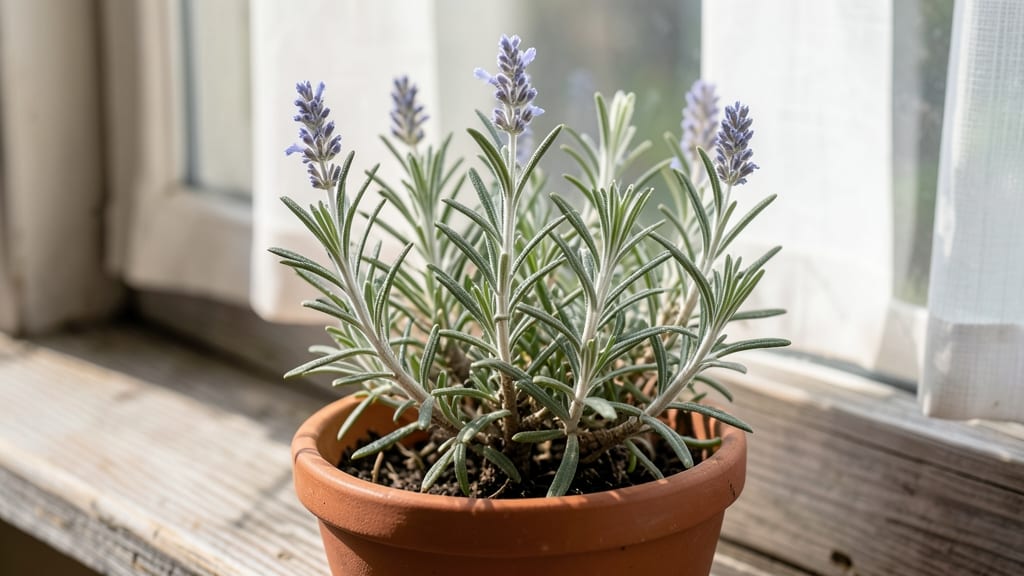
This plant that smells like rosemary steals the show in kitchens, but these fragrant impersonators deliver the same bold, earthy scent without the fuss of Mediterranean climates—perfect for your garden. 🌿 Lavender, lemon thyme, and even certain sages pack that same piney punch—just with different growing quirks.
The secret to their success lies in sunlight and soil: all thrive in full sun (6+ hours daily) and well-draining soil. Unlike rosemary’s drought tolerance, these plants prefer consistent moisture—think Mediterranean summers with occasional rain, not desert dryness. A pinch of compost at planting keeps them happy for years.
By mid-summer, your garden will smell like a walk through a Provençal forest—just without the travel. These plants attract pollinators, repel pests, and even improve rosemary’s growth nearby. Plant them together for a sensory double feature. Perfect for borders, containers, or sensory gardens.
Start with lavender for height, thyme for texture, and sage for mid-season color. Your garden’s aroma game just leveled up.
📚 In This Guide
- What you need
- Instructions
- Tips and common mistakes
- Wrapping up and next steps
What you need
- ● Plants or Seeds: Rosemary look-alikes: Choose from lavender, Spanish thyme, oregano, or lemon verbena (all share rosemary’s fragrant profile!).
- ● Quantity: 3–5 plants/seeds (for a small garden patch) or 10+ (for larger spaces).
- ● Potting Soil: Well-draining, organic potting mix (avoid heavy clay). 1–2 bags (5–10 lbs each) depending on pot size.
- ● Containers or Garden Bed: Containers: 6–12-inch pots with drainage holes (3–5 pots for starters).
- ● Garden bed: Sunny spot with 6+ hours of sunlight daily and loose, rocky soil.
- ● Watering Can or Hose: With a gentle spray nozzle (overwatering is a no-no for these herbs!).
- ● Garden trowel or small shovel
- ● Pruning shears (for trimming and propagation)
- ○ Gloves (optional but recommended for handling prickly plants like rosemary or thyme)
- ● Mulch: Pine straw or gravel to retain moisture and deter weeds.
- ● Herb fertilizer: Low-nitrogen, organic fertilizer (e.g., fish emulsion or compost tea).
- ● Sunlight meter: To ensure your garden gets optimal light.
- ● Label markers: To track plant varieties (trust us, they’ll all look alike at first!).
How to grow fragrant plants that mimic rosemary’s aroma
These four aromatic plants deliver the same piney, fresh scent without needing a Mediterranean climate.
🌱 Step 1: Select Your Rosemary Impersonator
Start with lavender for its classic floral-pine scent or Russian sage for a silvery foliage that smells identical to rosemary when crushed. Lemon thyme offers a citrusy twist with rosemary’s herbal base, while cedar (especially Thuja occidentalis) provides a woody, resinous aroma. Each thrives in full sun and well-drained soil—just like rosemary—but adapts to cooler climates.
I always plant lavender first because its scent is the closest match. It also attracts pollinators, which benefits your entire garden. For a low-maintenance option, Russian sage is my go-to—it’s drought-tolerant once established and blooms from midsummer to frost.
☀️ Step 2: Plant in Full Sun with Well-Draining Soil
All four plants need at least 6 hours of direct sunlight daily—just like rosemary. Amend heavy clay soil with 2-3 inches of compost to improve drainage, or plant in raised beds if your area has poor soil. I test drainage by digging a hole, filling it with water, and checking if it drains within 30 minutes—if not, add more sand or perlite.
Space plants 18-24 inches apart to allow airflow, which prevents fungal diseases. Overcrowding also weakens their scent. For containers, use pots at least 12 inches deep with drainage holes—terracotta works best because it wicks away excess moisture.
💧 Step 3: Water Deeply but Infrequently
Once established, these plants hate soggy roots. Water only when the top 2 inches of soil feel dry, which for me usually means every 7-10 days in summer. Lemon thyme and lavender are the most drought-tolerant; Russian sage and cedar need slightly more moisture but still prefer dry conditions.
I use a soaker hose to water at the base, avoiding wetting the foliage—this prevents mildew and preserves their scent. Mulch with 2 inches of gravel or pine needles to reduce evaporation and keep roots cool. Overwatering is the fastest way to kill these plants, so resist the urge to water on a schedule.
✂️ Step 4: Prune for Bushier Growth and Stronger Scent
Prune Russian sage and cedar in early spring by cutting back one-third of the previous year’s growth to encourage dense, fragrant foliage. For lavender and lemon thyme, trim spent flowers in late summer to prevent seed heads from forming, which weakens their aroma. I always prune with clean, sharp shears and disinfect them with rubbing alcohol between cuts.
Harvest leaves or stems anytime for culinary use or potpourri. The scent intensifies when the plant is slightly stressed—like after a dry spell or light pruning. If you notice leggy growth, your plant needs more light or a harder prune to reset its shape.
🌿 Step 5: Extend the Season with Mulch and Protection
In fall, add 4-6 inches of mulch around the base to insulate roots from freezing temperatures. Lavender and lemon thyme are hardy to USDA Zone 5, while Russian sage and cedar handle Zone 4. I wrap young plants in burlap during the first winter to protect them from harsh winds.
For container plants, move them to a sheltered spot or bring indoors before temperatures drop below 20°F. These plants reward patience—after their first year, they’ll spread and fill your garden with rosemary’s signature piney fragrance without the fuss.
Tips & tricks for cultivating fragrant rosemary impersonators
These simple strategies will help you maximize the piney, aromatic punch of your rosemary substitutes—without the fuss of Mediterranean growing conditions.
Sunlight Strategy: The 6 hours of direct sunlight requirement is non-negotiable for all four plants, but here's the secret: morning sun is more valuable than afternoon heat. Position your lavender or Russian sage to catch those first rays—this prevents leaf scorch while still delivering the full aromatic potential. For containers, rotate them weekly to ensure even exposure on all sides.
Soil Science: That 30-minute drainage test in Step 2 is your best friend. If water pools after 30 minutes, your soil is too dense. For heavy clay, mix in 50% sand or perlite by volume—not just the 2-3 inches of compost mentioned. I've seen lavender roots rot spectacularly when planted in unamended clay, so don't skip this step. For containers, use a cactus/succulent mix as your base soil for optimal drainage.
Pruning Precision: When cutting back one-third of Russian sage's growth in spring, aim for just above a leaf node where new growth emerges. For lavender, snip spent flowers at the base rather than leaving stubs—this encourages bushier, more fragrant growth. I've ruined lavender plants by pruning too late in the season, so always do this in early spring before new growth begins.
Seasonal Survival: The 20°F threshold for container plants is crucial, but here's what I've learned: if you can't move them indoors, wrap containers in bubble wrap before bringing them into an unheated garage or shed. The insulation buys you 10-15°F of extra protection. For in-ground plants, the 4-6 inches of mulch should be organic—straw or shredded leaves work best—as they break down to feed roots over winter.
Pro Tips for Plant That Smells Like Rosemary
- These simple strategies will help you maximize the piney, aromatic punch of your rosemary substitutes—without the fuss of Mediterranean growing conditions.
- Sunlight Strategy: The 6 hours of direct sunlight requirement is non-negotiable for all four plants, but here's the secret: morning sun is more valuable than afternoon heat.
- Soil Science: That 30-minute drainage test in Step 2 is your best friend.
Frequently asked questions
Got questions about growing plants that smell like rosemary?
You’re not alone! Here are some of the most common queries—and straightforward answers—to help you cultivate fragrant greenery with confidence.
What’s the easiest plant to grow that smells like rosemary?
If you’re new to gardening, Spanish lavender (Lavandula stoechas) or rosemary’s close cousin, oregano (Origanum vulgare) are fantastic choices. Both thrive in full sun, require minimal water, and pack that familiar piney-fresh aroma. Origanum majorana (sweet marjoram) is another low-maintenance option with a rosemary-like scent.
How long does it take for these plants to start smelling like rosemary?
Most rosemary-scented plants—like lavender, oregano, or thyme—will emit their signature fragrance within 4–8 weeks of planting, especially when brushed or crushed. For stronger aromas, wait until they’re 3–6 months old and well-established. Pro tip: Prune regularly to encourage bushier growth and more potent scent glands!
Can I grow rosemary-scented plants indoors?
French tarragon (Artemisia dracunculus) or lemon thyme (Thymus citriodorus) are top indoor picks—they love bright windowsills and thrive in containers. Just ensure they get at least 6 hours of sunlight daily and use well-draining soil. Bonus: Their fragrance doubles as a natural air freshener!
Why doesn’t my rosemary-scented plant smell as strong as expected?
Weak scent? Check these fixes:
- Underwatering: Most rosemary-like plants prefer dry soil. Overwatering dilutes essential oils.
- Low light: Move to a sunnier spot (6+ hours of direct sun).
- Old leaves: Trim yellowing or woody stems to encourage new, fragrant growth.
- Lack of crushing: Rub leaves gently to release oils—this boosts aroma instantly!
Are there any toxic rosemary-scented plants I should avoid?
Most rosemary-like herbs (e.g., lavender, thyme) are pet-safe and non-toxic. However, oleander (Nerium oleander) has a faint rosemary-like scent but is highly toxic to humans and pets—never plant it. Stick to edible herbs like rosemary, marjoram, or basil for worry-free gardening.
Wrapping up and next steps
Discovering plants that smell like rosemary is a game-changer for gardeners and aromatherapy lovers alike!
Whether you're drawn to the earthy scent of rosemary itself, the sweet allure of lavender, or the citrusy freshness of lemon verbena, these fragrant alternatives bring beauty and tranquility to your outdoor space. 🌿✨
Now that you’re equipped with the best rosemary-scented plants and tips for care, why not take the next step? Start small—plant a few pots on your balcony or dedicate a garden bed to these aromatic wonders. Your senses (and future visitors) will thank you!
Pro tip: Share your fragrant garden journey on social media with #RosemarySmellVibes—inspire others to grow their own sensory paradise! 🌱💚