
Planting
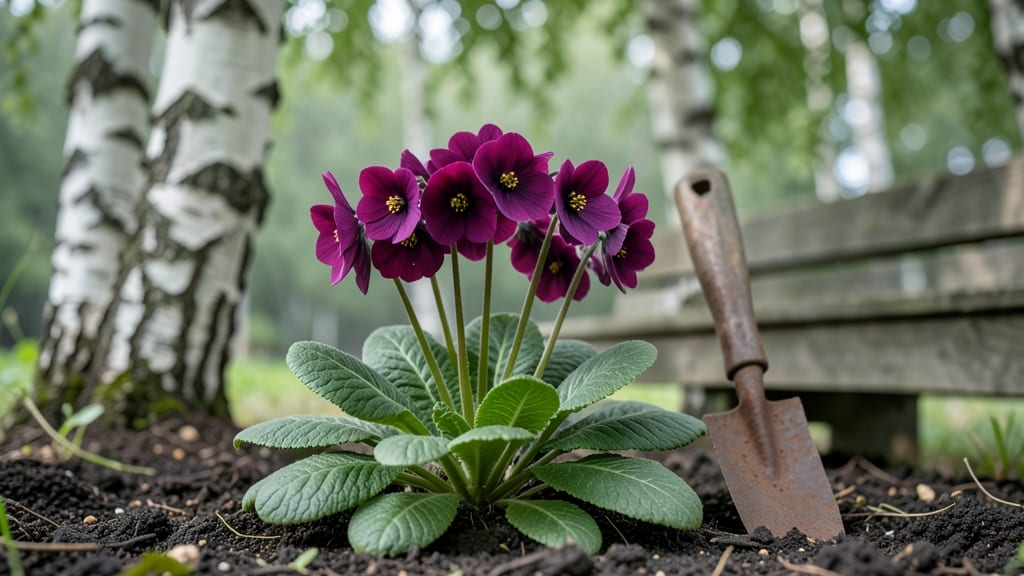
My primrose family plants—primroses, fuchsias, and cyclamens—bring year-round color with almost no fuss. 🌸 These shade-lovers thrive where most flowers refuse to grow, and their delicate blooms turn even dull corners into fragrant showcases. The secret? They love cool roots, consistent moisture, and a little winter protection.
Most do best in partial shade, though fuchsias tolerate morning sun. Well-draining soil with added compost keeps them happy, and regular watering prevents those classic droopy leaves. Dividing clumps every 2-3 years keeps them blooming like champs—no fancy tools needed, just a fork and a sunny afternoon.
You’ll end up with months of blooms, from early spring primroses to winter cyclamens, all while keeping pests at bay with simple neem oil sprays. Even my black thumb can’t kill these—once established, they’re practically maintenance-free.
Perfect for shady gardens, containers, or even indoor spots with bright light. Let’s get yours thriving without the guesswork!
📚 In This Guide
- What you need
- Instructions
- Tips and common mistakes
- Wrapping up and next steps
What you need
- ● Primrose family plants: Choose between bare-root (dormant) or potted varieties (e.g., Primula vulgaris, Cyclamen hederifolium, or Lysimachia nummularia). Quantity: 3–5 plants for a small garden bed or 1–2 for container gardening.
- ○ Well-draining potting mix or garden soil: Type: Peat-based or compost-enriched soil with a pH of 5.5–6.5 (slightly acidic). Optional: Add perlite or sand for improved drainage.
- ● Containers (if applicable): Size: 6–12 inches in diameter with drainage holes. Material: Terracotta or plastic (terracotta wicks moisture but dries faster).
- ● Mulch: Type: Organic mulch (e.g., shredded bark or straw) to retain moisture and suppress weeds. Thickness: 2–3 inches.
- ● Garden trowel or small shovel: For digging holes twice as wide as the root ball.
- ● Pruning shears: To trim dead foliage or overcrowded stems.
- ● Watering can or hose with a gentle spray nozzle: Avoid blasting roots.
- ○ Gloves (optional): Protect your hands from soil or prickly leaves (e.g., Cyclamen).
- ○ pH testing kit (optional): To verify soil acidity before planting.
- ● Sunlight assessment: Most primroses thrive in partial shade (3–6 hours of morning sun). Exception: Lysimachia tolerates full sun.
- ● Water source nearby: Primroses need consistent moisture but hate soggy roots.
- ● Patience for blooms: Some varieties (like Primula denticulata) may take 2–3 years to flower fully.
Simple steps for cultivating primrose family plants
Here's how to grow these fragrant beauties with minimal fuss—once you know the right approach.
🌱 Step 1: Select the Right Primrose Variety for Your Climate
The primrose family includes over 400 species, so choose one matched to your growing conditions. For cooler climates, Primula denticulata or Primula veris thrive in partial shade, while Primula malacoides handles heat better in full sun. I always check the plant's native range—if it grows in damp meadows, it'll love your morning shade spot.
Look for established plants at local nurseries rather than seeds, as primroses often take 2-3 years to bloom from seed. You'll see the difference immediately: mature plants burst into color within weeks of planting, while seedlings may take seasons to mature. For instant gratification, opt for 1-gallon containers of primula, polyanthus, or auricula varieties.
☀️ Step 2: Prepare the Planting Site with Moisture-Retentive Soil
Primroses despise dry soil—think of them as woodland plants that need consistent moisture. Amend your garden bed with 3-4 inches of compost mixed into the top 6 inches of soil. I add a handful of peat moss to improve water retention, especially in sandy soils. The goal is soil that stays damp but never soggy; primroses rot faster than they wilt.
For containers, use a mix of 50% potting soil, 30% perlite, and 20% compost. Place a 1-inch layer of gravel at the bottom for drainage—primroses hate wet feet. Plant in early fall or late winter when temperatures stay between 40-60°F, giving roots time to establish before summer heat.
💧 Step 3: Plant and Water for Immediate Establishment
Dig a hole twice as wide as the root ball but only as deep as the container. Gently remove the plant, loosen roots if pot-bound, and place it so the top of the root ball sits 1 inch below soil level. This prevents crown rot from water pooling at the base. Backfill with native soil, pressing lightly to eliminate air pockets.
Water deeply right after planting—1 gallon per plant—until moisture seeps 6 inches deep. You'll know it's enough when water runs out the drainage holes (if container-grown) or when the soil surface feels uniformly damp. Mulch with 2 inches of shredded bark to retain moisture and suppress weeds, but keep mulch 2 inches away from stems to prevent rot.
✂️ Step 4: Maintain with Minimal Care for Continuous Blooms
Primroses bloom best with morning sun and afternoon shade. In hot climates, provide afternoon shade to prevent leaf scorch—you'll see yellowing edges as the first sign of stress. Feed with a balanced 10-10-10 fertilizer in early spring and again after blooming, using half-strength solution to avoid burning tender roots.
Deadhead spent blooms by snipping the flower stem ½ inch above the nearest leaf. This encourages continuous flowering rather than one big burst. Divide clumps every 3-4 years in early fall—primroses spread aggressively, and crowded roots lead to fewer blooms. Simply dig up the plant, separate sections with a clean knife, and replant immediately.
🌿 Step 5: Overwinter for Year-Round Fragrance
Most primroses are hardy to Zone 3, but mulch heavily (4-6 inches) with straw or leaves before frost. In containers, move plants to an unheated garage or under a porch where temperatures stay between 32-45°F. Water sparingly—just enough to keep soil from drying completely.
Spring brings the best fragrance, but with proper care, primroses reward you with 6-8 weeks of continuous blooms from early spring through summer. The secret is consistency: keep soil moist, avoid full sun, and deadhead regularly. You'll know you're doing it right when your garden fills with that sweet, honey-like scent on warm mornings.
Tips & tricks for cultivating primrose family plants
Real talk: these fragrant beauties reward patience more than they demand it. Here's how to avoid the common pitfalls that turn eager gardeners into frustrated ones.
Climate Matching is Everything: The temperature range of 40-60°F mentioned in Step 2 isn't just ideal—it's critical. If you're planting outside this window, your primroses will struggle to establish roots before summer heat arrives. I've seen gardeners plant too early in spring and watch their plants wilt before blooming. For hotter climates, consider Primula malacoides—it's the most heat-tolerant variety and will reward you with blooms when others fail.
Soil Science Matters: That 3-4 inches of compost isn't just decoration—it's the difference between thriving plants and sad, leggy specimens. For containers, the 50-30-20 mix (potting soil/perlite/compost) creates perfect drainage while retaining moisture. Pro tip: mix in a handful of worm castings with your compost—they add beneficial microbes that help roots absorb nutrients more efficiently. This is especially important for the first 6 weeks after planting when roots are establishing.
Watering Wisdom: The 1-gallon-per-plant rule in Step 3 is non-negotiable, but how you deliver that water matters just as much. Use a watering wand or gentle rain setting on your hose to avoid compacting soil around the roots. I've seen gardeners drown their primroses by pouring water directly onto the crown—always water at the base, and avoid getting leaves wet to prevent fungal issues. The goal is to saturate the soil 6 inches deep without creating puddles.
Deadheading Done Right: That ½-inch snip above the nearest leaf in Step 4 isn't arbitrary—it's where new growth will emerge. Cut too close and you risk damaging the plant's structure; cut too far and you'll leave unsightly stems. Use clean, sharp pruners and make the cut at a 45-degree angle to prevent water from pooling on the cut surface. This simple technique can extend your blooming season by 2-3 weeks if done consistently.
Pro Tips for Primrose Family Plant
- Real talk: these fragrant beauties reward patience more than they demand it.
- Climate Matching is Everything: The temperature range of 40-60°F mentioned in Step 2 isn't just ideal—it's critical.
- Soil Science Matters: That 3-4 inches of compost isn't just decoration—it's the difference between thriving plants and sad, leggy specimens.
Frequently asked questions
Got questions about primrose family plants? You’re not alone!
Whether you're a newbie gardener or just curious about these fragrant beauties, here are some of the most common questions—and their easy answers.
What’s the easiest primrose family plant for beginners?
Start with Primula vulgaris (common primrose) or Primula obconica (Chinese primrose). Both are hardy, low-maintenance, and bloom prolifically with minimal fuss. Just ensure they get partial shade and well-draining soil!
When is the best time to plant primrose family plants?
Plant them in early spring or fall for ideal results. Avoid extreme heat or frost—these plants prefer cooler temperatures. If planting in containers, you can extend the window slightly, but aim for mild weather.
Why aren’t my primrose plants blooming?
Primroses need 6+ hours of indirect light daily and cool roots (not hot). Overcrowding or nutrient deficiency can also stall blooms. Try dividing mature clumps every 2–3 years or fertilizing lightly in early spring.
Can I grow primrose family plants indoors?
Yes! Primula acaulis (cushion primrose) thrives in bright, indirect light near a north- or east-facing window. Use a well-draining potting mix and a shallow container—just keep humidity moderate to prevent fungal issues.
Are primrose plants toxic to pets or kids?
Most primroses are non-toxic, but Primula obconica can irritate skin or cause mild stomach upset if ingested. Keep them out of reach of pets that chew plants, and wash hands after handling if you’re sensitive.
How do I revive a leggy or dying primrose?
Leggy growth? Trim back overlong stems and move the plant to brighter, indirect light. Yellowing leaves? Check for root rot—repot in fresh, well-draining soil. Deadheading spent blooms encourages more flowers and keeps the plant healthy.
Wrapping up and next steps
Discovering the primrose family opens up a world of vibrant, low-maintenance blooms that brighten any space with minimal effort! From Primula to Cyclamen, these plants reward you with fragrant flowers and lush foliage—perfect for gardeners of all levels.
Whether you’re drawn to their cheerful colors or their resilience, these beauties prove that stunning gardens don’t require complicated care.
Ready to elevate your garden? Start small—pick one primrose variety, gather your supplies, and dive in! Your next green thumb moment is just a seedling away. 🌱✨