
Pruning
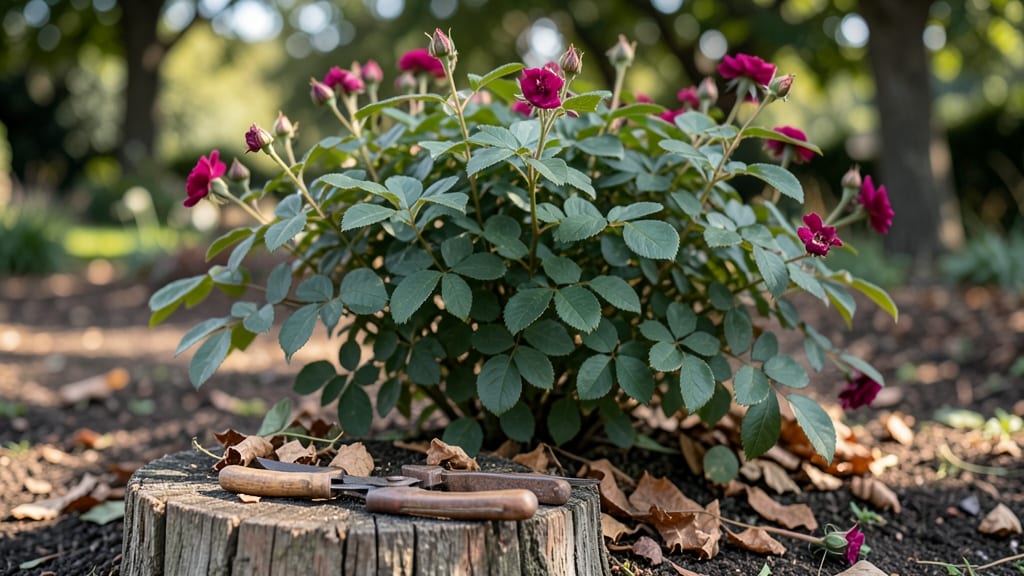
Pruning Knockout roses for winter—the right way—turns them from scraggly shrubs into next year’s blooming powerhouses. 🌿 I’ve seen these roses go from sad and leggy to vibrant green machines after just three strategic cuts—it’s like hitting the reset button. before winter.
The key is timing: wait until after your first hard frost (when temps dip below 20°F) but before new growth starts in spring. Grab your pruners, a bucket for clippings, and a sharp pair of shears—no fancy tools needed.
You’ll focus on removing dead wood, thinning crowded canes, and shaping the plant to encourage strong new growth. What you’ll end up with is a neat, open-centered rose bush that blooms earlier and more abundantly. The cuts you make now determine how many buds appear in May—so don’t rush.
Just follow the three-step method and you’ll avoid the most common mistakes that leave roses looking ragged. Works in zones 5-9, though colder climates may need extra mulch. Let’s get those roses ready for spring!
📚 In This Guide
- What you need
- Instructions
- Tips and common mistakes
- Wrapping up and next steps
What you need
- ● Pro tip: 💡 Sharpen your tools beforehand! Dull blades tear stems, making plants more susceptible to disease. A quick file or whetstone ensures clean cuts every time.
How to prune Knockout roses for winter success
Winter pruning isn't about cutting back—it's about setting up next year's blooms. Here's how I do it right.
✂️ Step 1: Wait for the Right Time
Prune Knockout roses only after the first hard frost when leaves have turned brown and fallen. This signals the plant has entered dormancy and won't bleed sap excessively. I always wait until late fall or early winter—never before the first freeze. If you prune too early, you risk stimulating new growth that won't survive cold snaps.
Check your local frost dates and mark your calendar. The ideal window is after 2-3 weeks of freezing temperatures below 30°F. This ensures the plant has fully hardened off. You'll know it's ready when the canes look bare and the soil feels frozen at the surface.
✂️ Step 2: Clean Up Dead and Weak Canes
Grab your pruning shears and start by removing any dead, diseased, or crossing canes. Dead canes are hollow or mushy when cut—simply snip them off at the base. Diseased canes show black spots or odd growths; cut these away and dispose of them in the trash, not your compost pile. I always sterilize my shears with rubbing alcohol between cuts to prevent spreading disease.
Next, look for canes that are rubbing against each other or growing inward. These compete for sunlight and air circulation, leading to weak blooms. Cut these at a 45-degree angle about ¼ inch above an outward-facing bud. The goal is to open up the center of the plant so air flows freely—this prevents fungal issues come spring.
✂️ Step 3: Shape for Next Year's Growth
Now for the critical cut: reduce the remaining canes by one-third to one-half their height. Start with the oldest canes—these are usually the thickest and have fewer buds. Cut just above a strong, outward-facing bud, always making your cut at a 45-degree angle. This encourages new growth from the base and prevents a "broomstick" effect where the plant becomes top-heavy.
Step back and visualize the plant's shape. Knockout roses naturally grow in a rounded form, so aim for a balanced silhouette. Avoid cutting too aggressively—you want to keep some height to protect the plant from winter winds. If you're unsure, err on the side of leaving slightly more growth; you can always prune more in early spring if needed.
🪴 Step 4: Clean Up and Protect
After pruning, rake up all the debris from around the base of the plant. This removes hiding spots for pests and reduces disease risk. I also apply a 2-3 inch layer of mulch around the plant, keeping it a few inches away from the stem to prevent rot. Use organic mulch like shredded bark or straw—it insulates the roots while allowing moisture to penetrate.
Finally, consider wrapping the canes in burlap or using rose cones to protect them from harsh winds and snow. This isn't always necessary in mild climates, but in areas with heavy snow or freezing winds, it can make a big difference. Water the base lightly before winter if your area hasn't had recent rainfall—just enough to keep the soil moist but not soggy.
Tips & tricks for pruning Knockout roses in winter
Here's what nobody tells you about winter pruning that'll make all the difference for next year's blooms.
Timing is Everything: That 30°F threshold isn't just a suggestion—it's critical. I learned this the hard way after pruning too early and watching new growth freeze back. Check for 2-3 weeks of consistent freezing below 30°F before you start. You'll know it's ready when the canes look completely bare and the soil feels frozen at the surface. This ensures the plant has fully entered dormancy and won't bleed sap when cut.
Tool Prep Matters: Sterilizing your pruning shears with rubbing alcohol between cuts is non-negotiable in Step 2. I've seen fungal diseases spread through dirty tools that looked perfectly clean. Keep a small bottle of alcohol handy and wipe down blades after every 3-4 cuts, especially when dealing with diseased canes. This simple step can prevent a springtime fungal outbreak that ruins your blooms.
Cutting Angle Secrets: Those 45-degree angles in Steps 2 and 3 aren't just for show—they create a larger surface area for water to bead off, reducing rot risk. Always cut just above an outward-facing bud, about ¼ inch above. I like to visualize an open umbrella shape when I step back after pruning—this ensures good air circulation that prevents fungal issues. If you're unsure which buds are facing outward, imagine drawing a line from the bud to the center of the plant.
Mulch Depth Strategy: That 2-3 inch layer of mulch in Step 4 should be your last move before winter sets in. Use organic mulch like shredded bark or straw because it breaks down slowly, providing long-term insulation. Keep it a few inches away from the stem to prevent rot—this is where many gardeners go wrong. In colder climates, I add an extra inch of mulch for that first harsh winter month.
Pro Tips for Prune Knockout Roses For Winter
- Here's what nobody tells you about winter pruning that'll make all the difference for next year's blooms.
- Timing is Everything: That 30°F threshold isn't just a suggestion—it's critical.
- Tool Prep Matters: Sterilizing your pruning shears with rubbing alcohol between cuts is non-negotiable in Step 2.
Frequently asked questions
Got questions about winter pruning for your Knockout Roses? You’re not alone! Here are some of the most common concerns—plus straightforward answers to keep your roses thriving.
When is the exact best time to prune Knockout Roses for winter?
Prune after the first hard frost (when temps drop below 20°F/-7°C) but before new growth starts in early spring. Late fall or early winter (November–January) is ideal. Avoid pruning in extreme cold or during active growth—this stresses the plant.
How much should I cut back—can I prune too aggressively?
Knockout Roses are tough! Cut back 1/3 to 1/2 of the plant’s height, removing dead, diseased, or crossing branches first. Never prune more than half—this can weaken the plant. Aim for an open center to encourage airflow and blooms next season.
What if my Knockout Roses look sad after pruning? Is it too late?
Don’t panic! Pruning in dormancy is safe, but if your roses look bare, focus on clean cuts (use sharp shears) and mulch heavily (3–4 inches) to protect roots. Yellow leaves? That’s normal—remove them in spring. Avoid fertilizing post-prune; wait until early spring.
Do I need to cover my Knockout Roses after pruning?
Only in Zone 5 or colder. Use a breathable cover (like burlap or rose cones) to shield from wind/snow, but remove it in early spring to prevent rot. In warmer zones (6+), mulch (straw or shredded leaves) is enough. Pro tip: Avoid plastic—it traps moisture and invites pests!
Can I prune Knockout Roses in spring instead of winter?
Yes, but winter pruning is better because it removes damaged wood from last year’s growth and shapes the plant for spring blooms. If you skip winter pruning, do a light trim in late winter (just before buds swell) to encourage vigorous growth.
Wrapping up and next steps
Pruning your Knockout roses for winter isn’t just a chore—it’s the secret to vibrant blooms and a healthier plant next season! By following the three critical cuts (removing dead wood, thinning canes, and shaping for airflow), you’re setting your roses up for a stronger, more resilient spring.
Think of it as a fresh start for your garden—less stress, more rewards! 🌿✨
Now that you’re armed with the know-how, grab those shears and give your Knockout roses the care they deserve. Pro tip: Schedule a quick check in early spring to remove any lingering damage—your roses will thank you with nonstop color all season long!