
Pests and Diseases
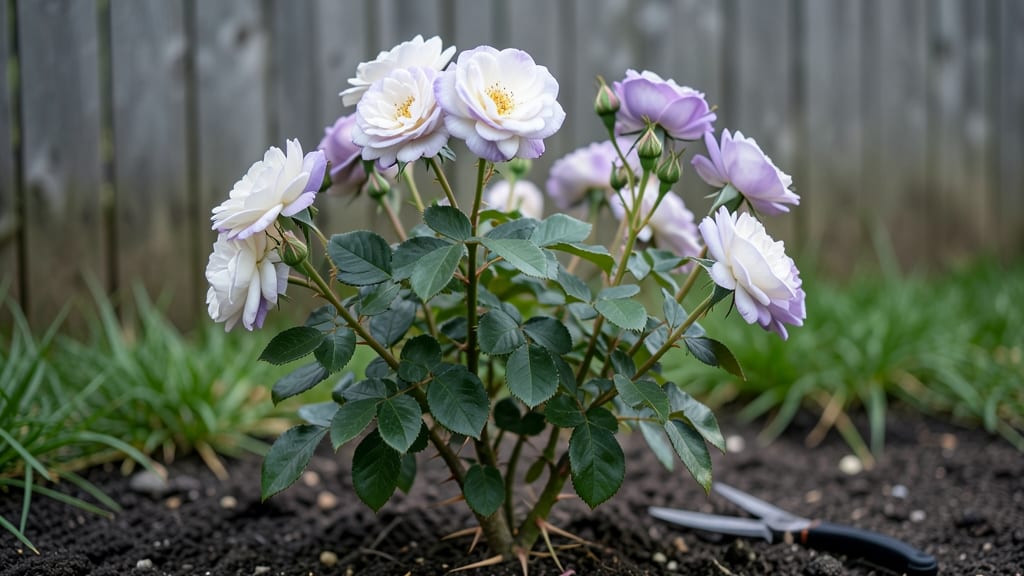
Purple and yellow roses together create a garden showstopper that never fades. 🌸 The bold contrast of deep burgundy ‘Black Baccara’ against sunny ‘Julia Child’ makes every season feel like a masterpiece—spring’s soft blush, summer’s lush abundance, and even winter’s bare branches hold quiet elegance.
Pair them with silver foliage like lamb’s ear or dusty miller to make the colors pop even more. Plant them near a trellis or archway where their fragrance can drift through the air, and add climbing hydrangeas for a soft, green backdrop that ties everything together.
By late summer, you’ll have a vertical masterpiece that attracts butterflies and hummingbirds while keeping your garden looking vibrant from spring through fall. The scent alone—sweet and spicy—will have neighbors asking for your secret.
📚 In This Guide
- What you need
- Instructions
- Tips and common mistakes
- Wrapping up and next steps
What you need
- ● Roses: 1 purple rose climber (e.g., 'Blaze' or 'Iceberg' for vibrant purple blooms)
- ● 1 yellow rose climber (e.g., 'Graham Thomas' or 'Climbing Iceberg' for cheerful yellows)
- ● Soil: 5+ gallons of well-draining, nutrient-rich potting mix (or garden soil amended with compost)
- ● Fertilizer: 1 bag of rose-specific fertilizer (balanced NPK, 10-10-10 or organic options like fish emulsion)
- ● Support Structure: 1 trellis, arbor, or obelisk (minimum 6–8 feet tall for climbing roses)
- ● OR 2–3 sturdy bamboo stakes (if training horizontally)
- ● 1 pruning shears (sterilized with rubbing alcohol)
- ● 1 trowel (for planting)
- ● 1 garden gloves (to protect hands from thorns)
- ● 1 watering can or hose (with a gentle spray nozzle)
- ● 1 mulch (2–3 inches of shredded bark or straw to retain moisture)
- ● 1 rose food (for mid-season boosts)
- ● 1 pest control spray (neem oil or insecticidal soap for aphids)
- ● 1 drip irrigation kit (for consistent watering)
- ● 1 color-coordinated garden flags (to mark your climbers 😉)
How to plant and care for a purple and yellow rose climber pairing
Here's how to create a stunning, fragrant rose duo that blooms from spring through fall.
🌱 Step 1: Choose and Prepare Planting Sites
Select two climbing rose varieties—one purple and one yellow—with complementary bloom times for continuous color. Plant them 6-8 feet apart to allow space for their canes to spread without crowding. The purple variety should face morning sun to preserve its rich hue, while the yellow thrives in afternoon light for brighter blooms.
Dig holes twice as wide as the root balls but only as deep as the containers they came in. Amend the native soil with 3 inches of compost mixed into the bottom of each hole. This ensures excellent drainage while providing nutrients for strong root establishment. Water the holes thoroughly 24 hours before planting to help settle the soil and prevent air pockets.
☀️ Step 2: Plant and Stake for Support
Remove the roses from their containers and gently loosen the roots if they're circling. Position each plant so the bud union (the swollen area near the base) sits 2 inches below soil level. This prevents the plant from growing suckers below the graft. Place the rose in the hole and backfill with soil, pressing lightly to remove air gaps.
Install 6-foot trellises or arbors immediately after planting, securing them with 4-foot wooden stakes driven into the ground. Tie the main canes to the support with soft plant ties—never wire, which can cut into the stems. Water deeply right after planting to help the roots settle into their new home.
💧 Step 3: Water and Mulch for First Season Growth
Water deeply 2-3 times per week for the first 4-6 weeks to encourage strong root development. You'll know the soil is properly hydrated when 2 inches below the surface feels moist but not soggy. Avoid overhead watering, which can spread disease—always water at the base instead.
Apply 3 inches of mulch around the base of each plant, keeping it 2 inches away from the stems. Use wood chips or straw to retain moisture and suppress weeds. Replenish the mulch as it breaks down to maintain consistent soil temperature and hydration. This is especially important during hot summer months when roots can dry out quickly.
✂️ Step 4: Prune for Shape and Blooms
Prune your roses annually in early spring (just as new growth begins) to shape the canes and encourage abundant blooms. Remove dead, crossing, or weak canes first, cutting them back to the base. Then, trim remaining canes by one-third to promote bushier growth. Always make cuts at a 45-degree angle just above an outward-facing bud.
Deadhead spent blooms throughout the season to redirect the plant's energy into new flowers. For climbing roses, focus on removing faded blooms within 24 hours to keep the plant producing. In late fall, prune again to remove any remaining leaves or weak growth, but leave the canes intact for winter protection.
🌿 Step 5: Feed and Protect for Year-Round Beauty
Fertilize your roses monthly from spring through summer with a balanced rose fertilizer (10-10-10 ratio). Apply it after watering to prevent root burn, and always follow the package instructions for dosage. Stop fertilizing 6 weeks before the first frost to allow the plant to harden off for winter.
Protect your roses from pests like aphids and Japanese beetles by spraying neem oil every 2 weeks during peak growing season. For disease prevention, ensure good air circulation by spacing plants properly and avoiding overhead watering. With consistent care, your purple and yellow rose climbers will reward you with fragrant blooms from early summer through fall.
Tips & tricks for growing stunning purple and yellow rose climbers
Took me years of trial and error to perfect these tips—here's how to avoid the common pitfalls and create a show-stopping rose duo.
Sunlight Strategy: The color contrast between your purple and yellow roses depends on proper light placement. I've found that positioning the purple variety in morning sun preserves its deep, rich hue, while the yellow thrives with afternoon light that intensifies its brightness. If your garden doesn't have ideal morning light, consider placing both roses in full sun but water the purple one slightly more frequently to maintain its color vibrancy.
Planting Depth Secret: Getting the bud union depth right is critical—place it exactly 2 inches below soil level to prevent sucker growth below the graft. I use a small wooden stake marked with measurements to ensure perfect depth every time. This simple tool has saved me from having to remove unwanted suckers multiple times over the years.
Watering Wisdom: Those first 4-6 weeks are crucial for root establishment, so I recommend installing a simple drip irrigation system near each plant. This ensures consistent moisture at the base without overhead watering that can spread disease. The system also lets you travel while your roses get their required 2-3 deep waterings per week.
Pruning Precision: When trimming canes by one-third during spring pruning, I always look for outward-facing buds to make my cuts. This creates a more open, airy structure that prevents disease and encourages more blooms. For climbing roses, focus on removing any canes that cross or rub against each other—they'll compete for nutrients and reduce overall flower production.
Pro Tips for Purple And Yellow Roses
- Took me years of trial and error to perfect these tips—here's how to avoid the common pitfalls and create a show-stopping rose duo.
- Sunlight Strategy: The color contrast between your purple and yellow roses depends on proper light placement.
- Planting Depth Secret: Getting the bud union depth right is critical—place it exactly 2 inches below soil level to prevent sucker growth below the graft.
Frequently asked questions
Got questions about growing and caring for purple and yellow roses? You’re not alone! Here are some of the most common queries—and their answers—to help you keep your fragrant climbers thriving.
What’s the best way to plant purple and yellow roses together?
Plant them at least 3–5 feet apart to avoid competition for nutrients and airflow. Dig a hole twice as wide as the root ball but no deeper—place the graft union (the bump near the base) 2 inches above soil level. Mix compost into native soil for drainage, then water deeply after planting. Pro tip: Add a time-release fertilizer for a nutrient boost!
How long does it take for purple and yellow roses to bloom?
Expect first blooms in 6–12 months for new plants, depending on variety and climate. Yellow roses (like ‘Mister Lincoln’) often bloom earlier, while purple-hued climbers (e.g., ‘Blaze’) may take a little longer. Patience pays off! Prune faded blooms to encourage repeat flowering.
What pests or diseases should I watch for with these roses?
Common issues include:
- Aphids: Tiny green/black bugs on new shoots. Blast off with water or use neem oil.
- Black spot: Purple-brown spots on leaves? Prune infected foliage and apply fungicide.
- Japanese beetles: Skewer adults with toothpicks or use milky spore bacteria.
Preventative care: Space plants for airflow, avoid overhead watering, and mulch to deter soil-borne diseases.
Can I mix purple and yellow roses with other flowers?
Pair them with lavender, salvia, or clematis for a fragrant, low-maintenance combo. Avoid heavy feeders like hydrangeas—they’ll outcompete your roses. Color contrast tip: Add silver foliage (like lamb’s ear) to make the purple and yellow pop!
How do I protect my roses in winter?
In cold climates (<30°F), mound 4–6 inches of mulch around the base and wrap canes with burlap or rose cones. Never cover the graft union! For container roses, move pots to a sheltered spot or insulate with bubble wrap. Spring tip: Uncover gradually to avoid shock.
Wrapping up and next steps
Purple and yellow roses aren’t just a stunning visual duo—they’re a fragrant, resilient powerhouse for any garden! 🌸 Whether you're battling pests, extending bloom seasons, or simply craving year-round drama, these climbers deliver with style and substance.
Their vibrant hues and hardy nature make them a low-maintenance yet high-impact choice for gardeners of all levels.
Ready to transform your outdoor space? Start by sketching your design—place those purple and yellow climbers where they’ll shine (and thrive!). Then, gather your tools and dive in—your garden’s next masterpiece is just a prune away. Happy gardening! 🌿