
Shrubs
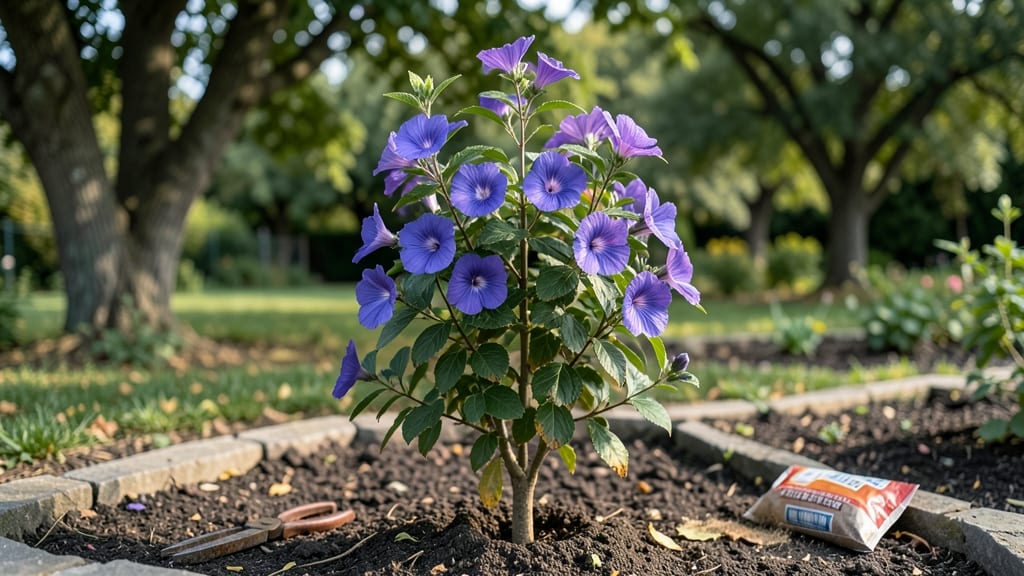
Winter-blooming purple pillar rose of Sharon turns your yard into a stunning vertical masterpiece when most gardens are asleep. 🌿 I’ve grown these dramatic shrubs for years, and the secret to their winter resilience lies in pruning precision—cutting at the right time preserves their striking shape while encouraging fresh growth when others are still dormant.
The first step is knowing your zone: hardy to USDA Zone 5, these shrubs handle snow but need protection in colder areas. In milder climates, they may bloom lightly through winter, while in colder zones, they’ll wait until spring—both cases require strategic pruning after the last frost.
I’ve found that late winter cuts (just before buds swell) prevent dieback while keeping that signature pillar form.
What you’ll end up with is a year-round vertical accent that outshines bare winter branches. The foliage stays green in warmer areas but drops in colder zones—either way, the spring rebloom is worth the effort.
I’ve even seen them flower lightly in Zone 6 with proper care, adding unexpected color to gray days.
For gardeners in Zone 7 and below, focus on mulching and light winter wrapping—these shrubs bounce back better than you’d expect. The key is patience: don’t prune too early, and always cut back to strong buds.
With this approach, your purple pillars will be the showstopper of your winter garden.
📚 In This Guide
- What you need
- Instructions
- Tips and common mistakes
- Wrapping up and next steps
What you need
- ● Pruning shears or loppers – Sharp, clean, and disinfected (bypass pruners work best for clean cuts).
- ● Gloves – Heavy-duty, cut-resistant gloves to protect your hands from thorns.
- ● Hand saw – For thick branches (1-inch diameter or larger).
- ● Disinfectant (70% isopropyl alcohol or bleach solution) – To sterilize tools and prevent disease.
- ● Rubbing alcohol or hydrogen peroxide wipes – For quick tool cleanup between cuts.
- ● Garden twine or zip ties – To secure large branches if needed.
- ○ Mulch (optional but recommended) – 2–3 inches of shredded bark or wood chips to insulate roots.
- ● Watering can or hose with adjustable nozzle – For post-pruning hydration.
- ● Pruning sealant – For large cuts to prevent disease entry.
- ● Burlap or frost cloth – To wrap young or vulnerable stems in harsh winters.
- ● Garden kneeler and pad – For comfort during extended pruning sessions.
- ● Camera or phone – To document your shrub’s shape before/after pruning!
Instructions for winterizing purple pillar Rose of Sharon
Winter-blooming Rose of Sharon thrives with strategic pruning and protection—here’s how to keep your purple pillars stunning through cold months.
✂️ Step 1: Prune After First Frost for Winter Blooms
Wait until after the first hard frost—around mid-November in most zones—before pruning. This ensures the plant has set next year’s flower buds. Use sharp pruners to cut back one-third of the oldest stems to the ground, removing any dead, diseased, or crossing branches first. I always start at the base and work upward, making clean cuts at a 45-degree angle just above an outward-facing bud.
Leave the younger, more vigorous stems intact—they’ll carry next year’s blooms. You’ll notice the remaining stems have a more compact, layered look. This open-center shape prevents snow buildup and allows light to penetrate for early spring growth. Avoid heavy pruning now; you’re shaping, not rejuvenating. If your plant is young (3 years old), hold off on major cuts until spring.
🪴 Step 2: Mulch Heavily to Protect Roots
Spread 4-6 inches of organic mulch around the base of the plant, keeping it 6 inches away from the trunk to prevent rot. I use a mix of shredded leaves and wood chips because it insulates while allowing moisture to drain. The mulch should reach the drip line—the outer edge of the plant’s canopy—where most roots live.
Check the mulch after heavy rains to ensure it hasn’t compacted into a soggy mat. If it feels dense, fluff it with a rake. This layer keeps roots 10-15°F warmer than ambient air, which is critical for winter survival. For extra protection in Zone 5 or colder, mound an additional 2-3 inches of mulch around the base in late December.
☀️ Step 3: Shield from Wind and Late Frost
Install a burlap windbreak on the plant’s north or west side if your garden is exposed. I use 3-foot-tall stakes to hold the burlap in place, creating a barrier that reduces winter desiccation. The goal is to break wind without trapping moisture against the stems. For container-grown Rose of Sharon, move pots to a sheltered location like a garage or under an eave.
Watch for late winter thaws followed by hard freezes—this is when buds often get damaged. If a 28°F night is forecast after buds swell, drape a lightweight frost cloth over the plant and secure it with clips. Remove it during the day to allow sunlight. You’ll see buds begin to swell in late winter (February-March), signaling it’s time to monitor frost risks closely.
💧 Step 4: Water Sparingly in Dormancy
Reduce watering to once every 3-4 weeks in winter, only if the ground is frozen solid. I check soil moisture by pushing a 6-inch metal rod into the ground near the plant—if it comes out dry, give a deep watering. Overwatering now can lead to root rot in the cold. If your area gets consistent snow cover, skip winter watering entirely; snow provides natural insulation and moisture.
In Zone 6 and warmer, you might see new growth in mild winters. If this happens, protect any tender shoots with a lightweight row cover and resume regular care. The key is to let the plant rest naturally. You’ll know you’ve got it right when the stems remain firm and the mulch stays dry—no mushy, rotting smells at the base.
⏰ Step 5: Plan Early Spring Pruning for Blooms
Mark your calendar for late February or early March, just as buds begin to swell. This is when you’ll do the final pruning to encourage dense, winter-blooming branches. Cut back any dead stems and shape the plant by removing one-third of the oldest stems again, but this time focus on opening the center for airflow. You’ll see a network of reddish-brown buds along the stems—these are your promise of purple blooms.
Apply a balanced 10-10-10 fertilizer at half-strength around the drip line after pruning. The plant will need nutrients to push new growth and flower buds. If you’ve followed these steps, your Rose of Sharon will reward you with stunning winter blooms by December. The secret? Pruning at the right time and giving the roots the protection they need to brave the cold.
Tips & tricks for perfect winterizing purple pillar Rose of Sharon
Here's what nobody tells you about keeping your winter-blooming shrub thriving through harsh conditions.
Pruning Precision: When you're cutting back those one-third oldest stems in Step 1, look for stems that are thicker than a pencil—these are the ones carrying last year's blooms. The 45-degree angle cut is crucial; it prevents water from pooling in the wound and creates a larger surface area for new growth. I always make my cuts just above an outward-facing bud to encourage the plant to grow away from the center, which improves airflow and reduces disease risk.
Mulch Layer Strategy: The 4-6 inches of mulch in Step 2 should feel like a cozy blanket—fluffy but not compacted. For extra insulation in Zone 5 or colder, I recommend adding that additional 2-3 inches of mulch in late December when the ground is frozen. This creates an insulating air pocket that can protect roots down to 10-15°F below ambient temperatures, which is the difference between survival and damage during extreme cold snaps.
Windbreak Installation: When installing your 3-foot-tall burlap windbreak in Step 3, position it on the plant's north or west side—these are the directions where cold winds typically come from in most climates. The burlap should be loose enough to allow some airflow (about 6 inches away from stems) but tight enough to break the wind's force. For container plants, moving them to a sheltered location is just as effective as windbreaks for smaller specimens.
Frost Watch: The 28°F threshold mentioned in Step 3 is critical—this is when flower buds begin to suffer frost damage. I recommend setting up a simple weather alert system for your area so you can act quickly. When buds start to swell in late winter, keep a frost cloth handy and be prepared to cover the plant at night. The key is to protect the plant without suffocating it—remove the cloth during the day to allow sunlight for photosynthesis.
Pro Tips for Purple Pillar Rose Of Sharon In Winter
- Here's what nobody tells you about keeping your winter-blooming shrub thriving through harsh conditions.
- Pruning Precision: When you're cutting back those one-third oldest stems in Step 1, look for stems that are thicker than a pencil—these are the ones carrying last year's blooms.
- Mulch Layer Strategy: The 4-6 inches of mulch in Step 2 should feel like a cozy blanket—fluffy but not compacted.
Frequently asked questions
Got questions about keeping your Purple Pillar Rose of Sharon thriving in winter?
You’re not alone! Here are answers to the most common queries—so you can enjoy its stunning winter blooms with confidence.
Why does my Purple Pillar Rose of Sharon bloom in winter?
The Hibiscus syriacus (Purple Pillar) is a late-season bloomer that thrives in cooler weather. Unlike spring-flowering shrubs, it needs chill hours (below 45°F) to trigger buds. Winter’s crisp air helps it rebloom—just ensure it’s planted in full sun (6+ hours/day) for best results.
How cold can Purple Pillar Rose of Sharon tolerate?
This hardy shrub handles USDA Zones 4–9, surviving down to -20°F with proper care. Mulch the base (3–4 inches of shredded bark or leaves) to protect roots. In extreme freezes, wrap young plants in burlap—but avoid plastic, which traps moisture.
When (and how) should I prune for winter blooms?
Prune immediately after flowering (late fall/winter) to encourage spring buds. Cut back 1/3 of the oldest stems to the ground and shape others to maintain the "pillar" form. Avoid heavy pruning in late winter—it removes next year’s flower buds!
What if my Purple Pillar isn’t blooming in winter?
Check these fixes:
- Lack of sunlight? Move it to a sunnier spot (it needs 6+ hours/day).
- Over-fertilizing? Too much nitrogen = leafy growth, not flowers. Use a low-nitrogen, high-phosphorus fertilizer in early spring instead.
- Dormant buds? Gently inspect stems—buds form at the leaf nodes. If none appear, prune lightly in late winter to stimulate new growth.
Are there winter-hardy alternatives to Purple Pillar?
If you love winter color but need options, try:
Plant
Winter Bloom?
Care Level
Winter Jasmine (Jasminum nudiflorum)
Yes (yellow flowers)
Low (drought-tolerant)
Dwarf Fothergilla
Yes (white bottlebrush blooms)
Moderate (acidic soil preferred)
Oso Berry (Shepherdia canadensis)
Yes (red berries + winter interest)
Low (native & tough)
Pro tip: Pair Purple Pillar with evergreen shrubs (like boxwood) for year-round structure and color!
Wrapping up and next steps
Embrace the winter-blooming magic of your Purple Pillar Rose of Sharon—it’s a stunning testament to nature’s resilience! 🌿 With the right pruning precision and care, this shrub can thrive even in colder months, rewarding you with vibrant blooms and lush foliage.
Now that you’re armed with the how-to, why not take the next step?
- 🌱 Plant a new one in your garden or share cuttings with fellow plant lovers!
- 📅 Mark your calendar for seasonal pruning—consistency is key to keeping it flourishing.
- 📸 Capture its beauty and share your winter blooms on social media—tag us for a chance to be featured!
Your Purple Pillar Rose of Sharon isn’t just a shrub—it’s a year-round conversation starter. Let’s keep the magic alive!