
Planting
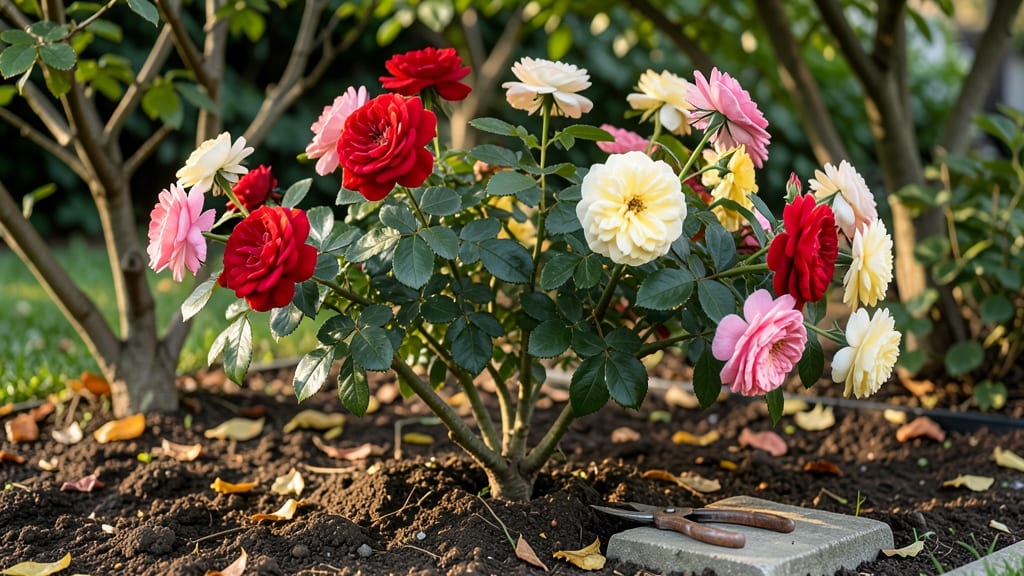
Your rainbow rose bush isn't just a plant—it's a living explosion of color that blooms nearly year-round with the right care. 🌸 I've grown these stunning shrubs for years, and the secret to their nonstop flowers lies in their soil, sunlight, and a few smart pruning tricks that keep them thriving without the fuss.
The real magic happens when you mimic their natural habitat: well-draining soil rich in organic matter, at least 6-8 hours of morning sun, and consistent moisture that never drowns the roots. Most gardeners overwater roses, which leads to weak growth and fewer blooms—so we'll fix that right away.
By following these steps, you'll end up with a bush so lush it becomes the centerpiece of your garden.
The blooms arrive in waves, with colors shifting from soft pinks to deep purples and even whites, creating a rainbow effect that lasts from spring through fall—and sometimes into winter with proper protection. This variety is disease-resistant and handles heat better than most roses, making it perfect for warmer climates.
Let's get yours planted and blooming like never before!
📚 In This Guide
- What you need
- Instructions
- Tips and common mistakes
- Wrapping up and next steps
What you need
- ● Rainbow rose bush plant: Choose a healthy, disease-free Rosa 'Rainbow' (bare-root or potted). Opt for a 1-2 year old plant for best results.
- ● Planting site: Full sun (6+ hours of direct sunlight daily).
- ● Well-draining soil (amend with compost if your soil is heavy or clay-based).
- ● Planting supplies: 1 gallon of organic compost or rose-specific fertilizer (10-10-10 NPK ratio).
- ● 5-7 feet of mulch (wood chips or straw to retain moisture).
- ● 1 garden hose or watering can with a rose attachment (for gentle watering).
- ● Pruning tools: 1 pair of bypass pruners (sterilized with rubbing alcohol).
- ● 1 hand saw (for thicker branches, if needed).
- ○ Support system (optional but recommended): 1 rose trellis or cage (5-6 feet tall, made of metal or sturdy wood).
- ● Soil amendments: 1 lb of lime (if your soil is acidic, test with a pH kit first!).
- ● 1 cup of Epsom salt (for magnesium boost, especially in sandy soil).
- ● Pest control: Neem oil spray or insecticidal soap (for aphids or spider mites).
- ● Copper fungicide (to prevent black spot disease).
- ● Seasonal care: Slow-release rose fertilizer granules (apply every 6-8 weeks).
- ● Drip irrigation kit (for consistent watering during dry spells).
Step-by-step instructions for planting a rainbow rose bush
Here's how to establish a vibrant, low-maintenance rose bush that keeps blooming season after season.
🌱 Step 1: Choose the Perfect Planting Location
Select a spot with 6-8 hours of direct sunlight daily—rainbow roses thrive where they get plenty of warmth. I always check the area at noon to confirm full sun exposure, especially if your yard has afternoon shade. The soil should drain well; if it's heavy clay, amend with 2-3 inches of compost mixed into the top 12 inches of soil.
Dig a hole twice as wide as the root ball but only as deep as the container it came in. This prevents burying the graft union (the swollen area near the base) too deep, which can cause disease. Loosen the roots gently if they're circling the pot—this encourages them to spread outward into the new soil.
☀️ Step 2: Plant at the Right Time and Depth
Plant in early spring or fall when temperatures are mild (50-70°F). Spring planting gives roses time to establish before summer heat, while fall roots settle before winter dormancy. Place the rose so the graft union sits 1-2 inches above soil level—this protects it from soil-borne diseases.
Backfill the hole with native soil mixed with a handful of balanced rose fertilizer (10-10-10 ratio). Water deeply to eliminate air pockets, then add a 2-inch layer of mulch around the base, keeping it 6 inches away from the stem to prevent rot. Mulch retains moisture and regulates soil temperature.
💧 Step 3: Water Deeply and Establish a Routine
Water immediately after planting to help roots settle, then once a week for the first month unless rain provides 1 inch of moisture. You'll know it's enough when water drains freely from the bottom of the hole—no soggy soil. After that, water every 7-10 days during dry spells, aiming for 1-1.5 gallons per week.
Rainbow roses are drought-tolerant once established, but deep watering encourages stronger root growth. I always water in the morning so leaves dry quickly, reducing fungal risks. Avoid overhead sprinklers—they can spread disease. Instead, use a soaker hose or drip irrigation at the base.
✂️ Step 4: Prune for Year-Round Blooms
Prune in late winter or early spring before new growth starts. Remove 1/3 of the oldest canes at the base to encourage younger, more vigorous growth. Cut just above an outward-facing bud, angling the cut slightly to shed water. This minimal pruning keeps the bush compact and flowering continuously.
Deadhead spent blooms regularly to redirect energy to new flowers. I snip just above a set of healthy leaves or a strong bud. Avoid heavy pruning in summer—it stresses the plant and reduces blooms. Instead, focus on shaping and removing crossing branches that rub together and create wounds.
🌿 Step 5: Feed and Protect for Long-Term Health
Apply a slow-release rose fertilizer in early spring and again in midsummer, following package rates. I also top-dress with 2-3 inches of compost in spring to improve soil fertility naturally. Avoid high-nitrogen fertilizers—they promote leafy growth at the expense of flowers.
Watch for pests like aphids or Japanese beetles. A strong spray of water usually dislodges them, but severe infestations may need neem oil. In fall, apply a 2-inch layer of mulch to insulate roots from freezing temperatures. With consistent care, your rainbow rose will reward you with continuous blooms from spring to frost.
Tips & tricks for perfect rainbow rose bush planting
Here's what nobody tells you about planting roses that actually makes the difference between a struggling bush and one that blooms nonstop.
Sunlight Secret: The 6-8 hours of sunlight requirement is non-negotiable, but timing matters just as much. I've planted roses in spots that got morning sun but afternoon shade, and they always struggled. Test your location by observing it at noon—if the sun disappears before then, find another spot. Early morning sun alone won't cut it for rainbow roses, which need that intense midday warmth to fuel their vibrant blooms.
Soil Prep Strategy: That 2-3 inches of compost recommendation is your foundation for success. I learned this the hard way after planting in unamended clay soil—my first roses took two years to really thrive. Mix the compost into the top 12 inches of soil, not just on top. This creates a loose, well-draining environment that encourages root growth downward where it belongs. For heavy clay, consider adding perlite or coarse sand to improve drainage.
Planting Depth Caution: The graft union sitting 1-2 inches above soil level is critical—this protects it from soil-borne diseases that can kill your rose. I once buried a graft union too deep and lost that plant within a year. After planting, gently firm the soil around the roots but don't compact it. You want roots to spread outward naturally, not be squeezed into a tight ball.
Watering Wisdom: The once-a-week watering for the first month seems straightforward, but timing is everything. Water in the morning so leaves dry completely by evening—this prevents fungal diseases that thrive in damp conditions. I've seen roses develop black spot just from evening watering, even with proper drainage. That 1-1.5 gallons per week is a guideline, but adjust based on your soil type—sandy soil drains faster and may need more frequent watering.
Pro Tips for Rainbow Rose Bush Plant
- Here's what nobody tells you about planting roses that actually makes the difference between a struggling bush and one that blooms nonstop.
- Sunlight Secret: The 6-8 hours of sunlight requirement is non-negotiable, but timing matters just as much.
- Soil Prep Strategy: That 2-3 inches of compost recommendation is your foundation for success.
Frequently asked questions
Got questions about your rainbow rose bush plant? You’re not alone!
Here are answers to the most common queries—from care tips to troubleshooting—so you can keep those vibrant blooms thriving all year.
How often should I water my rainbow rose bush?
Water deeply 2–3 times per week during the first year to establish roots, then taper to 1–2 times weekly once mature. Pro tip: Soak the soil until it’s 6–8 inches deep, then let the top layer dry slightly before watering again. Mulch helps retain moisture—just avoid piling it against the stem!
When is the best time to plant a rainbow rose bush?
Plant in early spring or fall when temperatures are mild (50–70°F). Avoid extreme heat or frost, as roots need time to acclimate. If you’re in a warm climate, fall planting is ideal—it gives roots a head start before summer droughts. Bonus: A root stimulator at planting can boost success!
Do rainbow rose bushes need heavy pruning?
Not at all! These bushes are low-maintenance—just trim dead or crossing branches in late winter and lightly shape after blooms fade. Avoid heavy pruning; rainbow roses thrive with minimal intervention. Warning: Never prune more than 1/3 of the bush at once!
What pests should I watch for on rainbow rose bushes?
Keep an eye out for aphids, spider mites, and Japanese beetles. Use a hose spray for aphids or neem oil for mites. For beetles, handpick them early in the morning. Prevention tip: Encourage ladybugs and lacewings—they’re natural pest predators!
Can I grow a rainbow rose bush in a container?
Yes! Choose a large pot (at least 15–20 gallons) with drainage holes and use well-draining soil. Containers dry out faster, so water daily in summer and move to partial shade if temps exceed 90°F. Pro move: Use self-watering pots in hot climates!
Wrapping up and next steps
Growing a rainbow rose bush is a rewarding experience that brings vibrant color and minimal fuss to your garden! With its stunning blooms and low-maintenance care, this plant is perfect for both beginners and seasoned gardeners.
Whether you're drawn to its beauty or its resilience, your rainbow rose bush will thrive with just a little love and the right conditions.
Ready to take the next step? Start by choosing your planting spot—sunny, well-drained soil is key—and then watch your garden transform into a dazzling display. Happy gardening! 🌸