
Shrubs
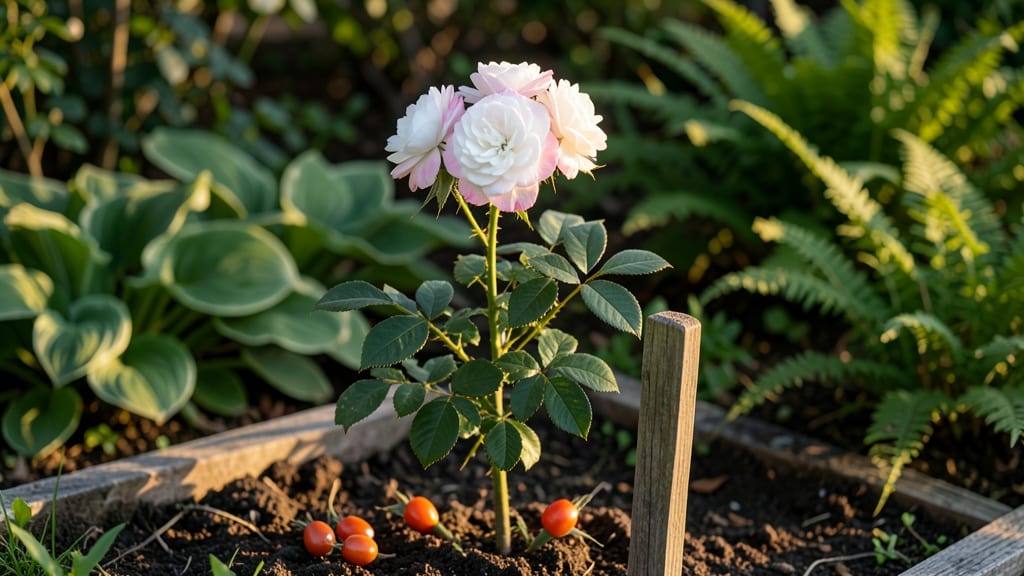
Nothing says romance like a red and white mini rose climbing a trellis or spilling over a container. 🌹 These compact beauties pack the drama of full-size roses into a package perfect for small spaces, yet they demand just as much admiration with their velvety petals and intoxicating fragrance.
They thrive in containers, borders, or mixed beds, where their striking bicolor blooms create instant focal points. Pair them with lavender for contrast or let them climb alongside clematis for a layered, cottage-garden effect. The key is keeping them pruned—just like their larger cousins—to encourage bushier growth and more blooms.
By summer’s peak, you’ll have a cloud of blooms that attract bees and butterflies while filling your garden with that classic rose perfume. The secret? Well-drained soil, consistent watering, and a little winter protection in colder zones—simple steps for maximum impact.
Perfect for urban balconies, cottage gardens, or even as a fragrant hedge. Once established, they’re surprisingly low-maintenance and will reward you with blooms from early summer through fall.
📚 In This Guide
- What you need
- Instructions
- Tips and common mistakes
- Wrapping up and next steps
What you need
- ● Red and white mini rose plant: Choose a healthy, disease-resistant variety like ‘Radrazz’ or ‘Playboy’ (available at nurseries or online).
- ● Well-draining potting mix: 3–5 gallons (for containers) or garden soil amended with compost (for in-ground planting).
- ○ Container (optional but recommended): Minimum 12-inch diameter (15+ inches for long-term growth).
- ● Drainage holes are a must to prevent root rot!
- ● Slow-release fertilizer: 10-10-10 or rose-specific granules (follow package rates).
- ● Organic mulch: 1–2 inches of shredded bark or pine needles to retain moisture.
- ● Gloves (to protect hands from thorns).
- ● Trowel or small shovel (for planting).
- ● Watering can or hose with gentle spray (roses hate soggy roots!).
- ● Pruners (sterilized) (for shaping and deadheading).
- ○ Stakes or trellis (optional): 3–4 ft tall for climbing varieties.
- ● Sunlight: At least 6–8 hours of direct sun daily (partial shade in hot climates).
- ● Water access: Consistent moisture (but avoid waterlogging).
- ● Patience: Mini roses grow 1–2 ft per year—enjoy the journey!
Step-by-step guide to growing red and white mini roses
Here’s how to cultivate these charming climbers—fragrant, compact, and perfect for small spaces.
🌱 Step 1: Select the Right Location and Prepare the Soil
Mini roses thrive in full sun—at least 6 hours daily—but tolerate partial shade in hotter climates. Choose a spot with afternoon shade if you live in Zone 9 or above, where afternoon sun can scorch tender foliage. The soil should drain well; amend heavy clay with compost or perlite to prevent root rot.
Loosen the soil to a depth of 12 inches with a garden fork, breaking up compacted layers. Mini roses have shallow roots, so focus on the top 6 inches—this is where most nutrient uptake happens. If planting in containers, ensure pots are at least 12 inches deep with drainage holes. I like to add a handful of slow-release fertilizer to the bottom layer for steady growth.
🪴 Step 2: Plant Bare-Root or Potted Mini Roses
If planting bare-root roses, soak the roots in lukewarm water for 1-2 hours before planting to revive them. For potted plants, gently remove the rose from its container and tease the roots apart if they’re circling the pot. Dig a hole twice as wide as the root ball but only as deep—mini roses should sit 1 inch higher than their original soil line to prevent waterlogging.
Place the rose in the hole, spreading roots outward. Backfill with soil, pressing lightly to eliminate air pockets. Water deeply until the soil settles, then add a 2-inch layer of mulch around the base (but not touching the stem) to retain moisture. This step is critical—waterlogged stems rot quickly, while dry soil stresses new plants.
☀️ Step 3: Water and Fertilize for Strong Growth
Water newly planted mini roses every 2-3 days until new growth appears—this usually takes 3-4 weeks. You’ll know they’re hydrated enough when the soil feels damp 2 inches below the surface. Overwatering is the biggest mistake here; yellowing leaves often signal soggy roots. Once established, water once a week, giving 1 inch of water per session.
Feed with a balanced rose fertilizer (10-10-10) every 4-6 weeks during the growing season (spring to fall). I swear by a half-strength solution to avoid burning tender roots. Stop fertilizing in late summer to encourage winter hardiness. Prune back one-third of the plant’s height in early spring to shape it and promote bushier growth.
✂️ Step 4: Prune and Train for Climbing or Bush Form
Mini roses grow best when pruned twice a year: once in early spring to remove dead wood, and again after blooming to shape the plant. Cut back 1/3 of the tallest stems to encourage branching—this is how you get that lush, full look. Always prune just above an outward-facing bud to direct growth away from the center.
If training as a climber, tie stems to a trellis or obelisk with soft plant ties as they grow. I like to use jute twine because it’s gentle on stems and biodegradable. For bush form, pinch back the tips of new growth when stems reach 6 inches to encourage wider, fuller growth. Deadhead spent blooms regularly to redirect energy into new flowers.
⏰ Step 5: Overwinter for Repeat Blooms Next Season
In colder climates (Zones 5-7), protect mini roses with 4-6 inches of mulch around the base after the first frost. Wrap the plant in burlap or frost cloth if temperatures drop below 20°F. In milder zones (8-10), no winter prep is needed—they’ll bloom year-round with consistent care.
Resist the urge to prune in fall. Wait until early spring to assess winter damage. If you see blackened stems, cut them back to healthy wood. Mini roses are tougher than they look—with proper winter care, they’ll reward you with fragrant blooms from spring to frost. That first flush of red-and-white blossoms is worth every step!
Tips & tricks for perfect mini rose care
These little garden helpers pack big rewards—here’s how to give your red-and-white mini roses the best start.
Sunlight Strategy: While mini roses love their 6 hours of full sun daily, the key is timing. In hotter climates (Zones 9+), I’ve found that afternoon shade prevents leaf scorch while still giving them enough light to bloom. Think of it like sunbathing—too much midday sun can leave them red-faced (literally!). If your garden gets intense afternoon heat, position them where they catch morning sun and afternoon shade.
Root Revival Technique: That 1-2 hour soak for bare-root roses isn’t just about hydration—it’s about waking up dormant roots. I’ve seen people skip this step and wonder why their plants struggle. Fill a bucket with lukewarm water (not cold, not hot) and let the roots soak while you prep the planting hole. Pro tip: Add a splash of rooting hormone to the water for an extra boost, especially if planting in fall or spring when roots are less active.
Watering Wisdom: The 2-3 days between waterings for new plants might seem like a wide range, but it’s intentional. Check soil moisture by sticking your finger 2 inches deep—if it feels dry, water; if it’s damp, wait. Overwatering is the silent killer of mini roses, causing yellow leaves and root rot. Once established, the 1 inch per week rule works well, but always adjust for your climate. In containers, you’ll need to water more frequently since pots dry out faster.
Pruning Precision: When cutting back 1/3 of the tallest stems in spring, aim for outward-facing buds to encourage bushier growth. I like to prune on a dry day when the plants are dormant—this minimizes stress. For climbers, tie stems to your trellis as they grow (every 6 inches) to prevent flopping. And here’s a secret: The jute twine I mentioned isn’t just for looks—it’s biodegradable and gentle on stems, unlike plastic ties that can girdle as the plant grows.
Pro Tips for Red And White Mini Rose
- These little garden helpers pack big rewards—here’s how to give your red-and-white mini roses the best start.
- Sunlight Strategy: While mini roses love their 6 hours of full sun daily, the key is timing.
- Root Revival Technique: That 1-2 hour soak for bare-root roses isn’t just about hydration—it’s about waking up dormant roots.
Frequently asked questions
Got questions about growing and caring for your red and white mini rose? You’re not alone! Here are some of the most common queries—plus quick, practical answers to keep your fragrant climber thriving.
How fast do red and white mini roses grow?
These compact beauties grow at a moderate pace—typically 12 to 18 inches per year. With proper care (sunlight, water, and pruning), you’ll see noticeable growth in just a few months. Expect blooms within 1 to 2 years for young plants, though some may surprise you sooner!
How often should I water my mini rose?
Water deeply 2 to 3 times per week during the first growing season to establish roots. Once mature, aim for 1 inch of water weekly, adjusting for heat (drought-stressed roses wilt faster). Pro tip: Water at the base in the morning to prevent fungal issues from evening moisture.
Can red and white mini roses grow in containers?
Their compact size makes them perfect for containers (choose pots at least 12–15 inches wide). Use well-draining soil with organic matter, and ensure the pot has drainage holes. Just remember: container roses need more frequent watering and may require winter protection in cold climates.
When and how should I prune my mini rose?
Prune in early spring (before new growth) to shape the plant and remove dead wood. Cut back 1/3 of the plant’s height, angling cuts just above a bud. Deadhead faded blooms regularly to encourage more flowers. Avoid heavy pruning in fall—it can stress the plant before winter.
What pests should I watch for with mini roses?
Keep an eye out for aphids, spider mites, and rose slugs (sawfly larvae). Treat mild infestations with neem oil or insecticidal soap. For severe issues, use horticultural oil or contact a local nursery. Prevention tip: Encourage beneficial insects like ladybugs to deter pests naturally!
Wrapping up and next steps
The red and white mini rose is a charming, low-maintenance gem perfect for adding romance and fragrance to small spaces! With its compact size, vibrant blooms, and easy care, it’s ideal for containers, vertical gardens, or cozy corners.
Whether you’re a seasoned gardener or just starting out, this delicate climber brings effortless beauty to any setting.
Ready to grow your own? Start by choosing a sunny spot, grab your supplies, and watch your mini rose thrive! 🌸✨ Happy planting!