
Planting
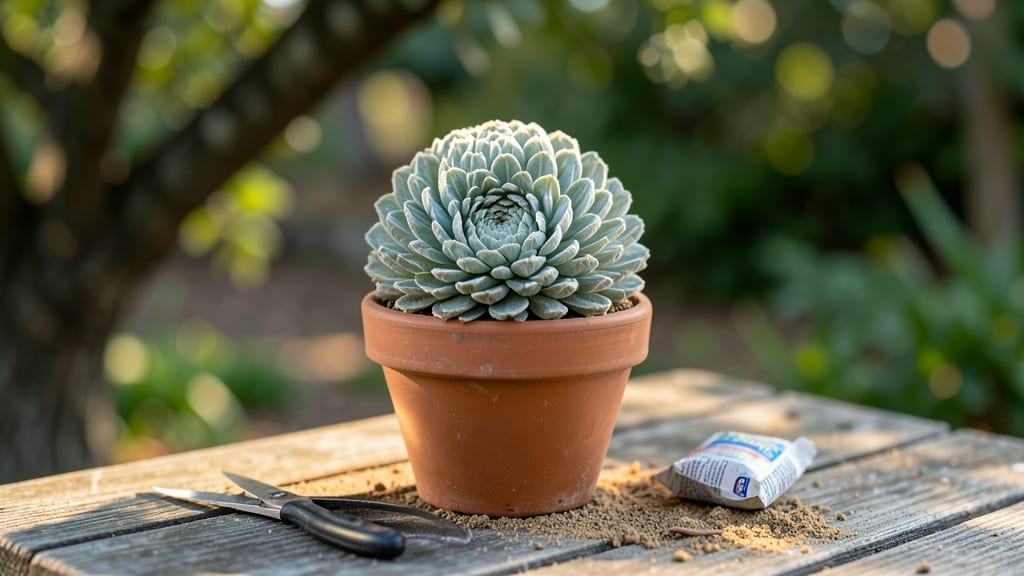
Reviving a resurrection plant feels like magic—literally. 🌱 The Rose of Jericho curls into a dry, lifeless ball, then unfurls like a miracle when watered, proving nature’s most dramatic comeback story. I’ve watched mine do this three times, and each revival feels like witnessing a tiny botanical resurrection.
This plant thrives on neglect: bright, indirect light and drought tolerance are its superpowers. Water it once, let it dry completely, then repeat the cycle. The key is patience—its "revival" can take 24-48 hours, but the transformation is worth it.
You’ll end up with a living curiosity that doubles as a conversation starter. Display it in a glass terrarium or hanging basket, and watch as it teaches your home (and guests) about resilience. Works indoors or outdoors in warm climates. Here’s how to keep the cycle going without killing it—again.
📚 In This Guide
- What you need
- Instructions
- Tips and common mistakes
- Wrapping up and next steps
What you need
- ● Resurrection Plant (Rose of Jericho) – 1 dried specimen (available online or at specialty plant shops)
- ● Water – Distilled or dechlorinated water (1–2 cups, room temperature)
- ○ Spray Bottle – 4–8 oz (120–240 mL) with a fine mist nozzle (optional but helpful)
- ○ Clear Glass or Bowl – Small to medium size (for observation, optional)
- ○ Tweezers or Gloves – For handling delicate stems (optional but recommended)
- ○ Humidity Dome or Plastic Bag – Small, with holes for airflow (optional, for faster revival)
- ○ Well-Draining Soil Mix – 1–2 cups (optional, for long-term care after revival)
- ○ Small Pot with Drainage Holes – 4–6 inches in diameter (optional, for repotting)
Step-by-Step revival guide for the resurrection plant (Rose of Jericho)
This is the moment that matters: watch a dried-out plant transform before your eyes.
💧 Step 1: Prepare the Revitalization Water
Use lukewarm, filtered water—never cold or tap water with chlorine. I like to let the water sit uncovered for 24 hours first to release any chlorine and reach room temperature. The plant's revival depends on gentle hydration, so avoid anything that could stress it chemically.
Fill a shallow container with about 1 inch of water—just enough to create a humid environment without submerging the plant. The goal is to mimic a light rain event in its natural habitat. You'll know you've got the right balance when the plant's curled fronds begin to unfurl within minutes.
🌱 Step 2: Submerge the Plant Gently
Place the dried Rose of Jericho in the water container, ensuring the entire plant is fully submerged but not pressed down. The plant's natural buoyancy will keep it floating. If it sinks, gently nudge it back up—submerged roots need oxygen too. I like to use a clear container so I can watch the transformation happen right before my eyes.
Leave it submerged for 12-24 hours—this is the critical hydration window. You'll see the first signs of revival within 30 minutes to 2 hours as the fronds begin to straighten and darken. Don't rush this process; the plant needs time to rehydrate its cells completely.
☀️ Step 3: Transition to Humid Air Environment
After 24 hours, remove the plant and let the excess water drain completely. Place it in a humid environment—I use a clear plastic bag with small air holes or a terrarium. This maintains moisture while allowing airflow. The plant should look plump and green, not wilted or limp.
Position it in bright, indirect light—direct sun can scorch recently revived plants. You'll see the fronds continue to unfurl over the next 2-4 hours as they regain their full structure. This is the most delicate phase; avoid touching the plant or disturbing its position.
🌿 Step 4: Maintain Revived State
Once fully revived, keep the plant in its humid environment for 3-5 days while it stabilizes. Water lightly every 2-3 days by misting with lukewarm water—just enough to keep the fronds slightly damp. You'll know it's properly hydrated when the plant feels firm to the touch and holds its shape.
The real magic happens when you see the plant's fronds begin to curl slightly at the edges—that's its natural response to drying out, signaling it's ready for its next dormancy cycle. This entire process can be repeated 3-5 times before the plant needs a full rest period.
⏰ Step 5: Prepare for Dormancy
When the plant starts showing signs of drying again—fronds curling inward, color fading—it's time to let it dry out completely. Remove it from the humid environment and place it in a cool, dry location away from direct light. The drying process should take 2-3 weeks, with the plant curling into its characteristic "dead" ball shape.
Store it in a paper bag or breathable container with a silica gel packet to absorb excess moisture. This preserved state can last years, making the Rose of Jericho one of nature's most resilient plants. When you're ready to revive it again, simply return to Step 1.
Tips & tricks for perfect resurrection plant revivals
Between us, this plant's revival isn't just about water—it's about patience and the right conditions. Here's how to make sure your Rose of Jericho comes back to life with minimal fuss.
Water Quality is Everything: The 24-hour water preparation isn't just about temperature—it's about removing chlorine and other chemicals that could stress the plant. I've seen people skip this step and end up with a plant that revives slowly or not at all. Use filtered water or even distilled water if you're concerned about impurities. The goal is to mimic the purest rainwater possible for that first critical hydration.
The Submersion Secret: When you place the plant in the water during Step 2, don't press it down—let it float naturally. I've noticed that when people force the plant under the water, the roots can't get enough oxygen, and the revival process stalls after just a few hours. The plant's natural buoyancy keeps it perfectly positioned for optimal hydration. Watch for the first signs of life within those 30 minutes to 2 hours—the fronds will start to straighten out like magic.
Light Matters More Than You Think: That bright, indirect light in Step 3 is crucial during the 2-4 hour unfurling phase. Direct sunlight can scorch the delicate new growth, while too little light means the plant won't complete its revival properly. I've had the best results with east-facing windows or about 12 inches from a grow light. The plant should look plump and vibrant, not wilted or pale. This is when the real transformation happens—don't rush it!
Humidity Hack: For the humid environment in Step 4, I've found that a simple clear plastic bag with tiny air holes works better than a closed terrarium. The air holes prevent mold while maintaining that critical humidity level. You'll know it's working when the plant feels firm to the touch and holds its shape—this usually happens within those 3-5 days. The slight edge-curling you'll see later is actually a good sign—it's the plant's natural way of preparing for dormancy again.
Pro Tips for Resurrection Plant Rose Of Jericho
- Between us, this plant's revival isn't just about water—it's about patience and the right conditions.
- Water Quality is Everything: The 24-hour water preparation isn't just about temperature—it's about removing chlorine and other chemicals that could stress the plant.
- The Submersion Secret: When you place the plant in the water during Step 2, don't press it down—let it float naturally.
Frequently asked questions
Got questions about reviving your Resurrection Plant (Rose of Jericho)? You’re not alone! Here are some of the most common queries—and their answers—to help you master the "water magic" of bringing this fascinating plant back to life.
How long does it take for the Rose of Jericho to "resurrect"?
The revival process is usually fast—often within 24 to 72 hours of watering! You’ll see tiny green shoots unfurl, and the plant will start to "bloom" into its lush, rose-like form. Keep it in bright, indirect light and mist it lightly to speed up the process. Patience is key, but don’t worry if it takes a few days!
Can I overwater my Rose of Jericho?
While this plant thrives on moisture, too much water can drown it. Once revived, let the top 1-2 inches of soil dry out before watering again. A well-draining pot with drainage holes is a must. If the leaves turn mushy or yellow, it’s a sign of overwatering—pull back and let it recover in dry conditions.
How do I keep my Rose of Jericho alive long-term?
This plant is drought-tolerant but not desert-proof. During its active (green) phase, keep soil lightly moist but not soggy. In winter or dormancy, let it dry out completely—it can survive months without water! Place it in bright, indirect light (no harsh sun) and avoid extreme temperatures. With care, it can live for years and "resurrect" multiple times!
What if my Rose of Jericho won’t revive?
Don’t panic! Try these fixes:
- Soak it longer: Submerge the entire plant in water for 12+ hours.
- Check for rot: If parts are mushy or smelly, trim them off.
- Adjust light: Move it to a brighter spot (but avoid direct sun).
- Patience: Some stubborn plants take 5-7 days to show signs of life.
Are there alternatives to the Rose of Jericho for easy revival plants?
If you love the "magic" of resurrection plants, try these low-maintenance options:
- Selaginella (Spikemoss): Revives with water and loves humidity.
- Echeveria (Hen & Chicks): Dormant in winter but perks up with moisture.
- Tillandsia (Air Plants): Soak occasionally for a quick "refresh."
Wrapping up and next steps
The Resurrection Plant (Rose of Jericho) is a true marvel of nature—proof that life can bounce back with just a little water and patience! 🌱 Whether you're a seasoned plant parent or a curious beginner, this hardy little plant teaches us that resilience is possible with the right care.
Now that you know how to revive it, why not share the magic? Try growing one in your garden, gifting it to a friend, or even experimenting with other revivable plants like the Mirabilis jalapa.
Your next step: Grab your Rose of Jericho, give it a sip of water, and watch the wonder unfold! 💧✨ Nature’s miracles are waiting for you—go revive them!