
Shrubs
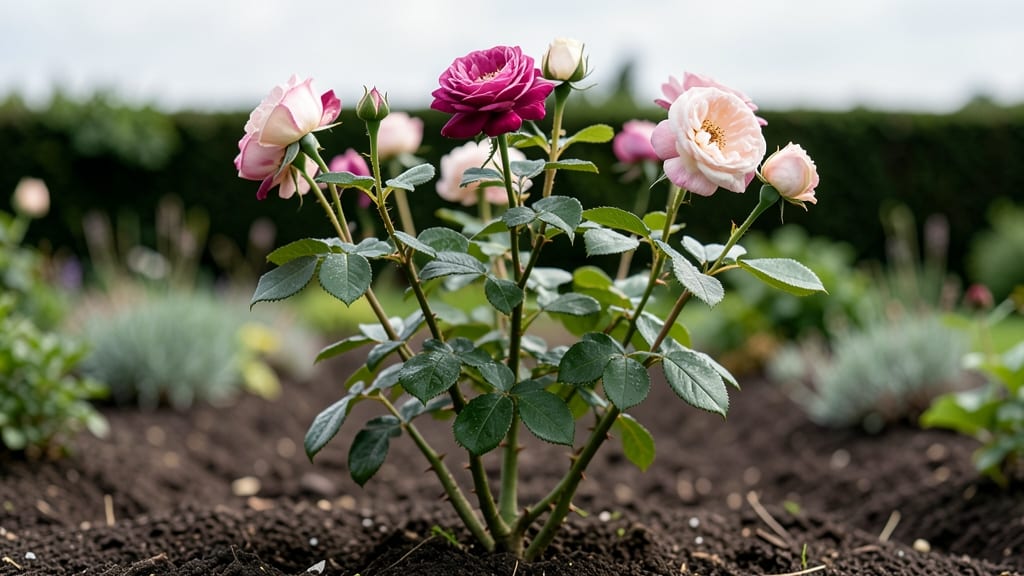
Proper rose bush maintenance care ensures your roses bloom from spring through frost—if you prune them the right way. ✂️ The secret lies in understanding the four pruning zones that keep roses healthy and productive, not just cutting randomly.
I learned this after years of over-pruning and struggling with weak growth, and now my bushes produce three times more flowers with less effort.
Start with clean, sharp pruners and focus on removing dead or crossing branches first. Then work your way to the four zones: rejuvenation cuts (old wood), flowering cuts (current season's growth), thinning cuts (overcrowded stems), and maintenance cuts (light trimming).
The key is timing—spring pruning encourages new growth, while summer pruning extends the bloom cycle.
You'll see stronger canes, more buds, and fewer pests when you maintain this routine. Roses thrive on consistent care: water deeply once a week (unless it rains), mulch to retain moisture, and fertilize every 6-8 weeks. The payoff? Roses that stay vibrant and disease-resistant all season long.
This method works for hybrid teas, floribundas, and shrub roses alike. Whether you're dealing with a single bush or an entire garden bed, the same principles apply. Let's get those blooms going!
📚 In This Guide
- What you need
- Instructions
- Tips and common mistakes
- Wrapping up and next steps
What you need
- ● Pruning shears: Bypass pruners (sharp, 4-6 inch blades) – 1 pair (for small stems).
- ● Loppers: 8-12 inch blades – 1 pair (for thicker branches).
- ● Pruning saw: Curved-tooth blade – 1 (for stubborn, woody stems).
- ● Garden gloves: Heavy-duty, cut-resistant – 1 pair (protects from thorns and debris).
- ● Disinfectant: 70% isopropyl alcohol or bleach solution (1 part bleach to 9 parts water) – Small bottle (cleans tools between cuts to prevent disease).
- ● Compost or organic mulch: Shredded bark, straw, or aged compost – 5-10 gallons (improves soil and retains moisture).
- ● Fertilizer: Balanced granular (10-10-10) – 5 lbs (spring feeding).
- ● Rose-specific slow-release – 1-2 lbs (seasonal boost).
- ● Epsom salt (magnesium sulfate) – 1 lb (for green, healthy foliage).
- ● Watering can or hose: With adjustable nozzle – 1 (deep watering is key!).
- ● Stakes or supports: Bamboo or metal (3-4 ft tall) – 4-6 per bush (for climbing roses).
- ● Tie-down clips: Soft fabric or plastic – 10-15 (secures canes to supports).
- ○ Potting soil (optional): High-quality, well-draining – 2-3 bags (for container roses).
- ● Rose food spray: Liquid fertilizer – 1 bottle (quick nutrient boost during blooming season).
- ● Mulch rings: Plastic or metal – 2-3 (keeps mulch contained and neat).
- ● Pruning paint: For sealing large cuts – Small can (prevents disease entry).
- ● Reflective mulch: Aluminum or silver – 1 roll (reduces pests in hot climates).
- ● Soil pH test kit: – 1 (roses prefer 6.0-6.5; adjust with lime or sulfur if needed).
Instructions for year-long rose bloom management
Here's how to keep your roses flowering beautifully through every season with precision pruning and care.
✂️ Step 1: Identify and Prepare Your Pruning Zones
Roses respond best when you prune based on their natural growth patterns. I divide pruning into four distinct zones: late winter cleanup, spring bloom stimulation, summer deadheading, and fall disease prevention. Each serves a specific purpose in maintaining healthy growth and continuous flowering.
Start by examining your rose bushes in late winter (just before buds swell) to remove all dead, diseased, or crossing branches. Use sharp, clean pruners to make cuts at a 45-degree angle about ¼ inch above an outward-facing bud. This ensures water runs off the cut and new growth emerges in the right direction.
Label each bush with its variety and pruning zone markers if you have multiple types. I use colored flags to track which bushes need which pruning attention—this prevents over-pruning or missing critical cuts. Remember, roses bloom on both old and new wood, so never remove more than ⅓ of the plant in any single pruning session.
🌿 Step 2: Perform Late Winter Cleanup Pruning
This is your deep pruning phase, typically done in February or March when the ground is still frozen. Remove all dead, weak, or diseased wood first—these are easy to spot as they're brown, mushy, or hollow. Cut these branches back to the base of the plant.
Next, shape the bush by cutting back remaining branches to 18-24 inches tall, leaving 3-5 strong canes per bush. Make your cuts just above an outward-facing bud, always angling away from the center of the plant. This opens up the center for better airflow and sunlight penetration, which reduces fungal diseases like black spot.
After pruning, apply a 2-inch layer of mulch around the base (but not touching the stems) to protect roots from freezing and retain moisture. I use composted bark because it breaks down slowly and adds organic matter to the soil as it decomposes.
☀️ Step 3: Stimulate Spring Growth with Targeted Pruning
Once new growth appears in early spring (around April), shift to lighter pruning to encourage blooms. Remove any branches that grew in the wrong direction during winter dormancy—these are the ones that cross or grow inward. Cut them back to their point of origin.
For hybrid teas and grandifloras, pinch back the tips of new growth by ⅓ to promote bushier, more compact plants. You'll see new side shoots emerge within 2-3 weeks, and these will produce your first flush of blooms. Fertilize lightly with a balanced rose fertilizer (10-10-10) when you see new leaves unfurl but before buds form.
Watch for leaf curl or powdery mildew—these appear as yellowing, curled leaves or white powdery spots. If you spot these, prune affected leaves immediately and treat with neem oil to prevent spread. Healthy spring growth sets the stage for abundant summer blooms.
✂️ Step 4: Deadhead and Maintain Through Summer
Deadheading is the key to continuous blooming—remove spent blooms by cutting just above the first set of five leaves below the flower. This encourages the plant to produce new flower buds from that node. For climbers and shrub roses, I use bypass pruners for clean cuts without crushing stems.
In mid-summer, give your roses a light trim to improve airflow. Cut back any overly long or leggy branches by ⅓ to maintain an open, airy shape. This prevents humidity from building up in the center of the bush, where diseases thrive. Water deeply once a week (or more in extreme heat) at the base of the plant, avoiding wetting the foliage.
I always check for aphids or Japanese beetles during summer. If you see clusters of small green insects or chewed leaves, spray with soapy water (1 tsp mild dish soap per quart of water) or introduce ladybugs as natural predators. Healthy foliage means more energy for blooming.
🌱 Step 5: Prepare for Winter Dormancy
In late fall, after your last flush of blooms, shift to preventative maintenance. Remove all dead or diseased wood, and cut back hybrid teas and grandifloras by ⅓ to reduce winter damage. For shrub roses, only remove dead wood—leave the rest to protect the plant through winter.
Apply a 3-inch layer of mulch around the base (but not touching stems) to insulate roots. I use straw or shredded leaves because they break down slowly and provide winter protection. Water the base deeply before the first hard frost to ensure roots stay hydrated through dormancy.
If you're in a Zone 6 or colder, mound soil or compost around the base of the plant to add extra insulation. This helps protect against freeze-thaw cycles that can damage roots. By mid-winter, your roses will be dormant, and you'll see swollen buds ready to burst in spring.
Tips & tricks for perfect rose bush maintenance
These insider strategies will help you master the year-long bloom cycle with confidence and precision.
Pruning Precision: When making those critical 45-degree cuts in Step 1, visualize the "bud" as the future growth direction. The cut should angle away from the center of the plant, creating a natural water runoff path. I always test my pruners on a spare branch first to ensure they're sharp enough for clean cuts—dull blades crush stems and invite disease. For hybrid teas, focus on maintaining 3-5 strong canes during late winter pruning, as these will bear the majority of your blooms.
Seasonal Timing Secret: The February-March window for deep pruning is non-negotiable for Zone 5-7 gardeners, but timing varies by climate. In warmer regions, delay until after the last frost when buds begin to swell. For spring pruning in Step 3, watch for those first green shoots emerging—this signals it's time to shift from heavy pruning to lighter maintenance. I set calendar reminders for these seasonal shifts to avoid missing critical windows.
Disease Prevention: After pruning, I always sterilize my tools with rubbing alcohol between bushes to prevent cross-contamination of fungal spores. For powdery mildew prevention in summer, I've found that applying neem oil every 2 weeks (not just when symptoms appear) creates a protective barrier. The key is consistent airflow—when you see leaves touching in Step 4, that's where humidity builds and diseases thrive.
Winter Protection: That 3-inch mulch layer in Step 5 is your rose's winter blanket. I use straw because it breaks down slowly and provides excellent insulation, but avoid thick layers that can suffocate roots. For Zone 6 gardeners, I add an extra 2-inch layer of leaves on top of the straw for added protection against freeze-thaw cycles that can damage roots.
Pro Tips for Rose Bush Maintenance Care
- These insider strategies will help you master the year-long bloom cycle with confidence and precision.
- Pruning Precision: When making those critical 45-degree cuts in Step 1, visualize the "bud" as the future growth direction.
- Seasonal Timing Secret: The February-March window for deep pruning is non-negotiable for Zone 5-7 gardeners, but timing varies by climate.
Frequently asked questions
Frequently Asked Questions About Rose Bush Maintenance
Got questions about keeping your roses thriving? Here are answers to the most common concerns—from pruning to pests and beyond!
When is the best time to prune roses?
Prune late winter to early spring (just before new growth starts) for hybrid teas and floribundas. For climbers and shrub roses, prune after flowering to encourage more blooms. Avoid heavy pruning in fall—it can leave cuts vulnerable to disease. Pro tip: Use clean, sharp shears and sterilize them with rubbing alcohol between cuts!
How do I prepare roses for winter?
Start by pruning dead or diseased wood, then mulch heavily (4–6 inches) around the base with straw or shredded leaves. Wrap tender canes with burlap or rose cones for extra protection. In cold climates, mound soil or mulch over the base to shield the graft union. Don’t forget: Remove mulch in early spring to prevent rot!
What should I do if my roses get aphids or black spot?
For aphids, blast them off with water or use insecticidal soap. For black spot (those ugly dark spots!), prune infected leaves immediately, then apply a fungicide (like neem oil or copper spray). Improve airflow by spacing plants properly and water at the base—not overhead—to keep foliage dry. Prevention is key: Clean up fallen leaves in fall!
Can I prune roses too much? What are the signs?
Yes! Over-pruning removes too much growth, weakening the plant. Signs include fewer blooms, long, leggy stems, or no new buds. Stick to the 4 pruning zones (old wood, new wood, dead wood, and diseased wood) and never cut more than 1/3 of the plant’s height in one season. Rule of thumb: Leave at least 3–5 strong canes for support!
Do roses need full sun? What if my yard is shady?
Most roses thrive in 6+ hours of direct sun daily, but some varieties (like David Austin English roses) tolerate partial shade (3–6 hours). In shady spots, choose shade-tolerant cultivars and ensure well-draining soil. Avoid soggy roots—mulch to retain moisture and improve soil health. Bonus: A reflective surface (like a white wall) can help bounce extra light to your roses!
Wrapping up and next steps
Caring for your rose bush doesn’t have to be overwhelming—just a little consistent love and attention will reward you with stunning blooms all year round! 🌹 By mastering the 4 pruning zones and staying on top of seasonal tasks, you’ll keep your roses thriving, healthy, and full of life.
Now that you’re armed with the right knowledge, why not grab those shears and give your roses the fresh start they deserve?
Your next step? Schedule a quick check-in with your bushes—whether it’s trimming dead growth, fertilizing, or just admiring their progress. Happy gardening! 🌱✨