
Pruning
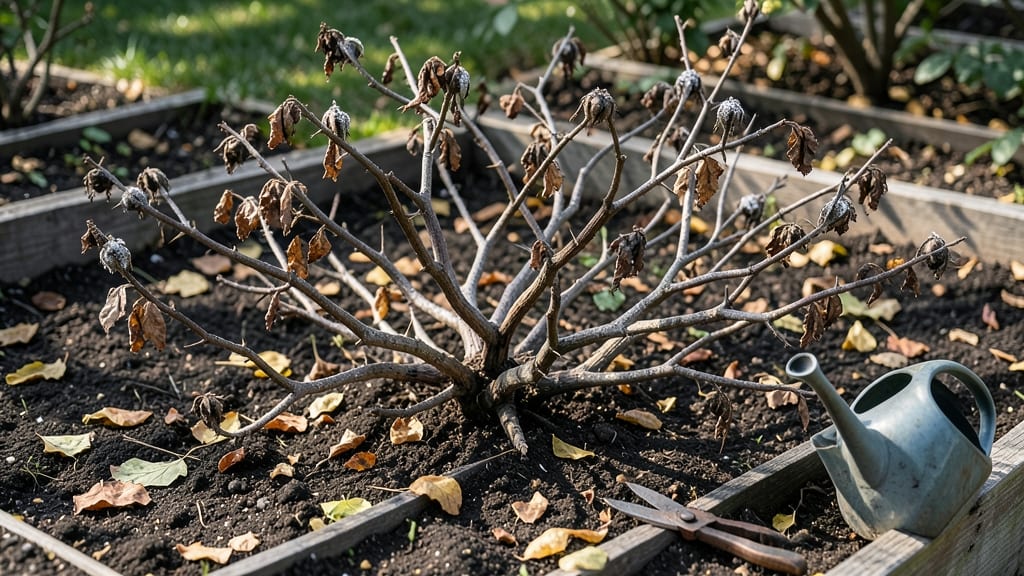
An unhealthy dead rose bush often shows brown crispy leaves, blackened stems, or moldy growth, typically caused by overwatering, fungal infections, or root rot. Quick pruning, improved drainage, and fungicide treatments can help revive it.
When your rose bush looks lifeless, it's usually signaling a deeper issue like waterlogged soil or nutrient deficiencies. 🌿 The key is acting fast—many problems start at the roots, where overwatering or poor drainage creates the perfect environment for rot.
I've seen bushes bounce back within weeks when you combine proper pruning with soil amendments like compost or perlite. The goal is to restore balance: too much water drowns roots, while too little stresses the plant into a weakened state.
Don't overlook the role of seasonal care—spring and fall are ideal times for revival efforts. Blackened stems often mean fungal infection, while yellowing leaves could indicate nutrient starvation. A quick soil test reveals what's missing, and organic fungicides like neem oil can stop disease spread before it takes hold.
💡 In This Article
- 5 Common Signs Your Rose Bush Is Dying
- Step-by-Step Rose Bush Revival Guide
5 Common signs your rose bush is dying
The first warning sign is brown, crispy leaves that feel dry to the touch.
This usually means your rose isn't getting enough water, but it could also signal root rot from overwatering. 🌿 When roots suffocate in soggy soil, they can't absorb nutrients, causing leaves to turn brittle and fall off.
Check the soil moisture by sticking your finger 2 inches deep—if it's damp, you're overwatering; if dry, increase frequency but ensure proper drainage.
Blackened stems are a red flag for fungal infections like black spot or botrytis. These diseases thrive in humid conditions (above 75% humidity) and create dark, sunken lesions that spread quickly. Unlike healthy stems which are firm and green, infected ones feel mushy when pressed. The fungus blocks nutrient flow, causing the bush to weaken rapidly. Prune affected stems 1 inch below the lesion and sterilize tools with rubbing alcohol to prevent spread.
Wilting leaves that don't perk up after watering suggest root damage or nutrient deficiency. Yellowing between leaf veins (chlorosis) often means iron deficiency, while purple stems indicate phosphorus shortage. 🌱 Test your soil pH—roses prefer 6.0-6.5.
If levels are off, amend with lime (to raise pH) or sulfur (to lower it). A balanced fertilizer (10-10-10) can also provide quick relief, but avoid over-fertilizing, which burns roots.
Powdery white growth on leaves is powdery mildew, a fungal disease that thrives in shaded, humid areas. Unlike healthy leaves which are smooth, infected ones feel rough like dust.
This fungus clogs leaf pores, blocking photosynthesis and stunting growth. 🌟 Remove heavily infected leaves immediately and apply neem oil (1 tablespoon per gallon of water) every 7-10 days. Improve airflow by pruning dense foliage and spacing plants 3-4 feet apart.
Pest damage like holes in leaves or sticky residue (aphids) weakens roses by siphoning nutrients. Japanese beetles, for example, can defoliate a bush in days. 🐞 Inspect undersides of leaves for eggs or larvae.
Use insecticidal soap (mix 2 tablespoons with 1 quart water) or introduce beneficial predators like ladybugs. Severe infestations may require systemic pesticides, but organic options work for most cases.
One often-overlooked sign is stunted new growth—buds that fail to open or shoots that barely inch upward. This suggests root-bound conditions or compaction in the soil.
Roots need room to expand; if they're circling in a pot or crowded in the ground, they can't absorb water efficiently. 🌱 Gently loosen soil around the base with a fork, or repot if container-bound. Add compost to improve aeration and water retention.