
Diseases
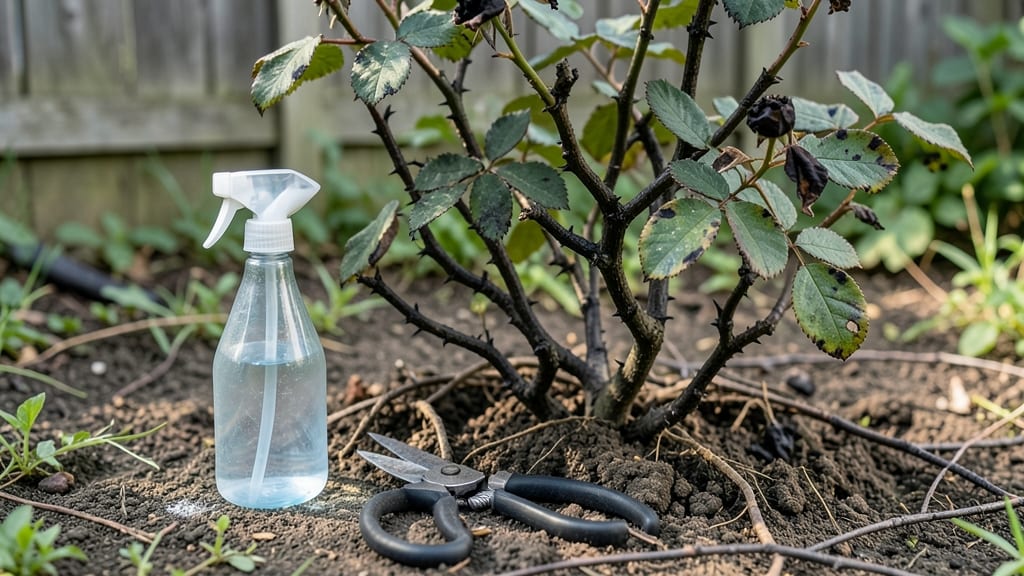
Your rose bush turning black isn’t a death sentence—it’s a call for action. 🌿 I’ve nursed back more than my share of blackened roses, and the key lies in identifying the culprit fast.
Fungal blight, root rot, or even environmental stress could be at fault, but the fix starts with pruning the damaged stems and adjusting care.
Look for black spots on leaves, mushy stems, or a foul smell at the base—those are your clues. Overwatering or poor drainage often triggers this mess, so let’s start by improving airflow and cutting back affected growth.
A copper fungicide spray or baking soda solution can turn the tide in just days.
Within weeks, you’ll see fresh green leaves pushing through, and the bush will bounce back stronger. The secret? Catching it early and giving your roses the right care—no more guessing, just results. Let’s get your blooms back to their best.
This works for hybrid teas, floribundas, and even old garden roses. The same principles apply whether you’re dealing with a single bush or a whole garden. Here’s how to diagnose and fix it for good.
Root Causes Behind Darkened Roses
When your once-vibrant rose bush starts turning black, it’s often a sign of stress or infection—but not all causes are created equal. Understanding the why behind the discoloration is the first step to saving your plant.
Below, we break down the most common culprits, from environmental factors to hidden pathogens, with clear explanations of how they trigger the damage.
Roses thrive in well-drained soil, but when roots sit in soggy conditions, they suffocate. Blackened stems, leaves, or canes often signal root rot, caused by fungi like Phytophthora or Pythium. These pathogens flourish in waterlogged soil, blocking nutrient uptake and leading to:
- Dark, mushy roots (smells foul when disturbed)
- Wilting despite moist soil (roots can’t absorb water)
- Black streaks on stems (fungus spreading upward)
Why it happens: Oxygen-starved roots release sugars that feed fungi, accelerating decay. Clay soil or compacted garden beds worsen the problem by trapping excess moisture.
Fungi are the #1 cause of blackened rose foliage and canes. Two notorious offenders stand out:
🔥 Black Spot Disease (Diplocarpon rosae)
This fungal darling of humid climates thrives in temperatures between 60–80°F (15–27°C) and leaves behind:
- Black, circular spots with yellow halos on leaves
- Premature leaf drop (starving the bush of energy)
- Blackened canes in advanced stages (fungus spreads via spores)
Why it happens: Fungal spores splash onto leaves from soil or infected debris. Poor airflow (like crowded bushes or dense mulch) lets spores linger, while overhead watering turns leaves into spore launchpads.
🍂 Botrytis Blight ("Gray Mold") (Botrytis cinerea)
Though it starts as gray fuzzy patches, Botrytis can turn stems and buds black and leathery in damp, shady conditions. It loves:
- Damaged or senescing tissue (e.g., spent blooms, pruning wounds)
- Cool, wet nights (ideal for spore germination)
- Thick mulch or plastic covers (trapping moisture)
Why it happens: The fungus produces oxalic acid, which kills plant cells and turns them black. It spreads via wind, water, or tools—making hygiene critical.
Some pests don’t just nibble—they invite fungi that cause blackening. For example:
- Japanese beetles skeletonize leaves, creating wounds where Botrytis or black spot take hold.
- Aphids excrete honeydew, a sugary film that feeds sooty mold (Capnodium), turning leaves black and sticky.
- Thrips damage buds, leaving them vulnerable to Botrytis infection.
Why it happens: Physical damage weakens the plant’s defenses, while pest secretions create the perfect fungal buffet. Sooty mold itself isn’t parasitic—it grows on the honeydew, not the rose tissue—but its presence is a red flag for underlying issues.
Blackened roses aren’t always biological. Environmental stress can turn leaves or canes dark:
- Frost damage: Cells rupture in freezing temps, causing blackened, papery leaves.
- Heat stress: In 90°F+ (32°C+) weather, leaves may scorch and turn black at the edges.
- Chemical burn: Over-application of fertilizers (especially high-nitrogen) or herbicides (like glyphosate drift) can cause blackened, crispy foliage.
Why it happens: Cold snaps or heatwaves disrupt chlorophyll production, while salts from fertilizers or chemicals clog stomata (leaf pores), preventing gas exchange. The result? Necrosis (dead tissue) that turns black.
Pro Tip: 🔍 Rule out the cause by inspecting the pattern of blackening:
- Spots with yellow rings = Black spot fungus
- Fuzzy gray patches = Botrytis blight
- Mushy roots + wilting = Root rot
- Uniform blackening = Chemical burn or extreme heat
Once you identify the trigger, you’re ready to act—but prevention starts with knowing the enemy!
Revive Your Roses Naturally
Now that you know what’s causing your rose bush to turn black—whether it’s fungal blight, root rot, or environmental stress—it’s time to take action! Below, we’ve broken down practical, organic solutions tailored to each root cause, plus prevention tips to keep your roses thriving. No harsh chemicals needed—just nature’s power!
Fungal infections thrive in damp, shaded conditions, but you can outsmart them with these steps:
🔥 Step 1: Prune & Remove Infected Leaves
- ✂️ Cut out all blackened, yellowed, or spotted leaves immediately—don’t leave them on the ground!
Fungi spread through spores, and fallen leaves act like a petri dish. - 🔥 Sterilize your pruners with rubbing alcohol or a 10% bleach solution (1 part bleach to 9 parts water) to prevent cross-contamination. - 🗑️ Dispose of infected debris in the trash (not the compost)—fungi can survive in compost piles.
🍳 Step 2: Apply Organic Fungicides
Skip the chemical sprays and try these effective, plant-safe alternatives:
- 🌱 Neem Oil Spray (1 tsp neem oil + 1 tsp mild soap + 1 quart water): Spray early morning or evening (avoid direct sunlight) every 7–10 days until new growth appears.
- 🍋 Baking Soda Solution (1 tbsp baking soda + 1 quart water + a few drops of soap): Fungicidal and alkaline—fungi hate it!
Spray weekly for prevention. - 🌿 Copper Fungicide (organic-certified): Follow label instructions for a preventative barrier against re-infection.
🌡️ Step 3: Improve Air Circulation & Sunlight
- 🌿 Thin out crowded canes to allow airflow—fungi love stagnant, humid air.
- ☀️ Move the bush to a sunnier spot if possible (at least 6–8 hours of sunlight/day).
- 💨 Install a small fan (on low) near the bush for 10–15 minutes/day to reduce humidity around leaves.
Root rot is sneaky—by the time you see blackened stems, the roots may already be compromised. Act fast!
👨🍳 Step 1: Dig & Inspect the Roots
- 🔍 Gently dig around the base of the bush to check for:
- Black, mushy roots (sign of rot).
- Healthy roots (firm, white or light tan).
- ✂️ Trim away all black/mushy roots with sterilized pruners.
🥘 Step 2: Repot or Refresh the Soil
- 🌿 If the rot is severe, remove the bush and repot in fresh, well-draining soil (mix in perlite or sand).
- 🏺 If keeping in place, dig a new hole twice the size of the root ball, fill with a mix of:
- 50% garden soil
- 30% compost
- 20% perlite or coarse sand (for drainage).
- 💧 Water lightly after replanting—no soggy soil!
🔪 Step 3: Adjust Watering Habits
- 🚰 Water deeply but infrequently—roses prefer 1–1.5 inches per week (check soil moisture 2 inches down).
- 🌧️ Avoid overhead watering (use drip irrigation or soaker hoses to keep foliage dry).
- 🌡️ Ensure proper drainage—if water pools, add a layer of gravel at the bottom of the planting hole.
If your roses are turning black due to extreme temperatures or over-fertilization, recovery is simpler but still requires care.
🔥 Step 1: Protect from Temperature Shocks
- ❄️ For cold damage: Mulch the base with 3–4 inches of straw or shredded leaves to insulate roots.
- ☀️ For heat stress: Provide afternoon shade (use shade cloth if temps exceed 90°F/32°C).
- 💧 Increase watering during heatwaves (but avoid waterlogging).
🍳 Step 2: Flush Out Chemical Buildup
- If over-fertilization caused blackened leaves:
- 💦 Water thoroughly with chelated iron (to counteract salt buildup).
- 🌱 Apply compost tea (1 cup compost + 5 gallons water, steep for 24 hours) to restore soil balance.
🌿 Step 3: Boost Plant Resilience
- 💪 Feed with organic matter: Mix aged compost or worm castings into the soil.
- 🌱 Use liquid seaweed fertilizer (every 2–3 weeks) for stress recovery.
- 🌞 Ensure balanced sunlight—roses need full sun to stay healthy.
Once your bush is back on track, prevent future blackening with these habits:
- 🌧️ Water in the morning so foliage dries by evening.
- 🍃 Prune regularly to improve airflow (remove dead or crossing branches).
- 🌿 Test soil pH (ideal: 6.0–6.5)—use lime to raise or sulfur to lower as needed.
- 🔄 Rotate organic fungicides (neem oil, copper, baking soda) seasonally.
- 🌱 Plant disease-resistant varieties (e.g., ‘Knock Out’ roses) for low-maintenance care.
Did you know used coffee grounds can help? Mix ½ cup into the soil around your roses—they’re slightly acidic (great for roses) and repel fungal spores. Just don’t overdo it—too much can make soil too acidic!
With these targeted fixes, your rose bush should bounce back in 2–4 weeks—and with proper prevention, you’ll enjoy vibrant blooms all season long! 🌹✨
Frequently asked questions
Why do my rose leaves turn black in spots but not all over?
Those black spots with yellow halos are classic signs of black spot fungus, caused by Diplocarpon rosae. This fungal disease thrives in warm, humid conditions and spreads via spores that splash onto leaves. The fungus attacks individual leaves first, creating those telltale spots before spreading to stems if left untreated.
Can I save my rose bush if the stems are already black and mushy?
It depends! If only the outer stems are blackened but the inner growth is still firm, you can prune back to healthy tissue and apply a copper fungicide or neem oil spray. However, if the entire cane feels hollow or smells foul, the bush may be beyond saving—root rot or advanced fungal infection could have taken hold.
Will rain make my rose bush's black spots worse?
Rain spreads fungal spores like black spot or Botrytis through splashing, turning your roses into a fungal buffet. To protect your plants, water at the base (not overhead) and apply a baking soda spray (1 tbsp baking soda + 1 quart water) before heavy rains to create a protective barrier.
How often should I spray fungicide on my roses to prevent blackening?
For prevention, spray every 2–3 weeks during growing season (spring to fall) using organic options like neem oil or copper fungicide. After treating an infection, apply every 7–10 days until new growth appears. Always spray in the early morning or evening to avoid burning leaves in direct sunlight.
Can I use coffee grounds to fix a blackened rose bush?
Coffee grounds can help prevent fungal issues (they’re slightly acidic and repel spores), but they won’t fix an existing infection. Mix ½ cup into the soil around your roses as a preventive measure—but focus on pruning infected parts and applying fungicides first. Too much coffee grounds can make soil too acidic (pH below 6.0), which stresses roses.