
How To
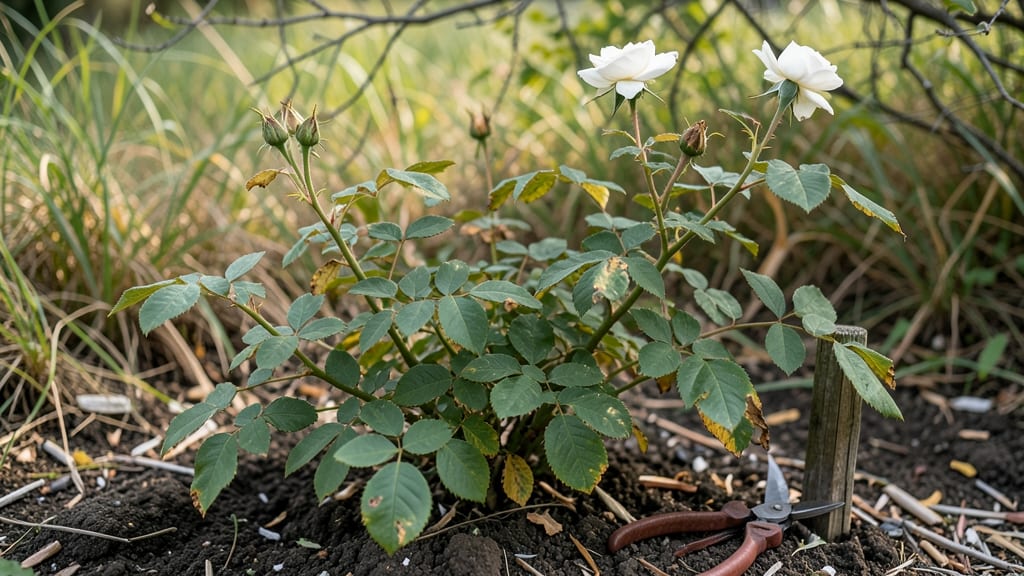
Rose leaves drying out can turn your fragrant bushes into crispy skeletons—until you learn this simple air-dry method that saves both plant and perfume. 🌹 I’ve revived countless roses by treating the symptoms (and root causes) like a garden detective, not a guesser.
The key? Pinpointing whether your leaves are thirsty, stressed, or under siege before they turn brittle.
Most gardeners overlook the basics: overwatering (yes, it’s a real problem) or underwatering, both of which mimic drought stress. Then there are the sneaky culprits—black spot, powdery mildew, or aphids—that suck moisture right out of leaves.
My first step? Checking the soil with my fingers (no fancy tools needed) and inspecting the undersides of leaves for pests or fungal spots.
Once you identify the issue, solutions become straightforward: adjust watering (deep and infrequent), prune affected leaves, and apply neem oil or baking soda spray for fungal issues. The air-dry method?
It’s not just about preserving leaves—it’s about teaching your roses to thrive with less drama. Within weeks, you’ll see fresh, glossy foliage and that signature rose fragrance back in full force.
This works for backyard bushes, container roses, and even cuttings—no matter your setup. The secret? Patience and precision—two things that pay off in blooms, not just leaves. Let’s get your roses back to their lush, fragrant best.
Root Causes of Wilted Rose Leaves
When your rose leaves start drying out, it’s often a sign that something fundamental is off—whether in the plant’s environment, health, or care routine. Understanding the why behind wilting is the first step to reviving your roses (or preserving them properly if they’re past saving).
Below, we break down the most common culprits, backed by science, so you can diagnose—and fix—the issue before it’s too late.
Roses are thirsty plants, but their roots are delicate. Water stress—whether from underwatering or overwatering—is the #1 reason leaves dry out prematurely.
- Underwatering:
Roses need consistent moisture, especially during hot spells. When soil dries out, roots struggle to draw up water, causing leaves to curl, crisp, and brown at the edges. Think of it like a straw in a dry glass: no water means no hydration.
- Signs: Lightweight, brittle leaves; soil pulling away from the pot (if potted); wilting that doesn’t recover by evening.
- Fix: Water deeply until it drains from the bottom, then repeat every 2–3 days (daily in extreme heat). Use a moisture meter for accuracy.
- Overwatering:
Soggy soil cuts off oxygen to roots, leading to root rot (a fungal infection that blocks water uptake). The leaves may yellow or brown even when the soil is wet—because the roots can’t absorb anything.
- Signs: Mushy, dark roots; leaves that stay limp even after watering; a foul smell from the soil.
- Fix: Let the top 1–2 inches of soil dry out between waterings. Improve drainage with perlite or sand, and repot if using heavy clay soil.
Pro Tip: 🌡️ Check soil moisture with your finger—if the top inch feels dry, it’s time to water. If it’s still damp, wait. And always water at the base of the plant, not the leaves, to prevent fungal diseases.
Roses are sun-lovers, but too much intense heat or drying wind can scorch leaves faster than they can photosynthesize. This is especially true for hybrid teas and climbers, which have thinner foliage.
- Heat Stress:
Temperatures above 90°F (32°C) can cause leaves to bleach, crisp, or turn brown—a condition called heat scorch. The edges may look like they’ve been singed by a flame.
- Signs: White or yellow patches on leaves; wilting that worsens midday; new growth stunted.
- Fix: Provide afternoon shade (use shade cloth, not full shade). Mulch with straw to keep roots cool, and water early in the morning to reduce evaporation.
- Wind Burn:
Constant wind desiccates leaves by increasing transpiration (water loss) faster than roots can replenish it. This is common in exposed garden beds or near fans/AC vents.
- Signs: Brown, papery edges on leaves; leaves curling inward to protect themselves; stunted growth.
- Fix: Plant roses in a sheltered spot or use windbreaks (like a fence or hedges). For potted roses, move them to a leeward side of your patio.
Pro Tip: ✨ Mist leaves lightly in the morning during heatwaves to buy time until roots can hydrate. Avoid evening misting—it encourages fungal growth.
Sometimes, drying leaves aren’t just about water—they’re a symptom of an unseen battle. Pests and pathogens drain nutrients and disrupt the plant’s ability to retain moisture.
- Spider Mites:
These tiny arachnids (not insects!) suck sap from leaves, causing stippling (tiny white/yellow dots) that expand into dry, brittle patches. They thrive in dry, hot conditions, making them a double threat.
- Signs: Fine webbing on undersides of leaves; leaves turning yellow/brown and falling off.
- Fix: Spray leaves with water to dislodge mites. Use neem oil or insecticidal soap weekly until they’re gone. Increase humidity with a pebble tray.
- Black Spot Fungus:
This fungal disease creates dark, circular spots with yellow halos that eventually cause leaves to dry out and drop. It spreads in wet, humid conditions but needs water to infect.
- Signs: Black spots with fringed edges; yellowing between veins; defoliation in severe cases.
- Fix: Remove infected leaves immediately. Space plants for airflow, and apply copper fungicide or baking soda spray (1 tsp baking soda + 1 quart water + a drop of dish soap).
Pro Tip: 🔥 Inspect leaves weekly under a magnifying glass for early signs of pests. A strong stream of water can knock off mites before they establish colonies.
Roses are heavy feeders, and without the right nutrients, their leaves literally can’t stay plump. Two key deficiencies often mimic drought symptoms:
- Potassium Deficiency:
Potassium helps regulate water movement in plants. Without it, leaves yellow at the edges and margins dry out—even if the soil is moist.
- Signs: Brown, crispy edges on older leaves; weak stems; poor disease resistance.
- Fix: Feed roses with a balanced fertilizer (10-10-10 or 5-10-10) in early spring and mid-summer. Banana peels (rich in potassium) composted into soil can help too.
- Magnesium Deficiency:
Magnesium is crucial for chlorophyll production. A lack of it causes interveinal chlorosis (yellowing between veins), which progresses to dry, brittle leaves.
- Signs: Yellow patches on leaves that eventually turn brown; stunted growth.
- Fix: Apply Epsom salt (magnesium sulfate)—1 tablespoon per gallon of water—every 4–6 weeks. Work it into the soil or spray on leaves.
Pro Tip: 🌱 Test your soil with a home kit to confirm deficiencies. Over-fertilizing can also cause leaf burn, so follow package instructions closely!
Now that you know the why, the next step is action. Whether it’s adjusting your watering schedule, shielding your roses from the elements, or treating a hidden pest, early intervention is key to keeping your roses lush—and your dried leaves fragrant for longer.
Revive and Protect Your Roses
When your rose leaves start drying out, don’t panic—there are simple, effective ways to bring them back to life and prevent future damage. Below are targeted solutions based on the most common causes, along with prevention tips to keep your roses lush and fragrant for longer.
Signs: Crispy edges, wilting, or leaves that feel dry and brittle—yet the soil stays soggy.
How to Fix It
✅ Check the soil moisture 🌱
- Stick your finger 1–2 inches deep into the soil. If it’s bone-dry, it’s time to water. If it’s damp or sticky, hold off.
✅ Water deeply but less often 💦
- Morning is best—water at the base (not the leaves) to avoid fungal issues.
- Use the "soak-and-drain" method: Water until it runs out the drainage holes, then wait until the top inch is dry before watering again.
✅ Improve drainage 🏗️
- If your pot lacks holes, drill a few or repot into a container with drainage.
- Mix in perlite or sand (20%) to aerate heavy soil.
💡 Pro Tip: Mulch with gravel or straw to retain moisture without suffocating roots.
Signs: Bleached, papery leaves, especially on the south or west sides of the plant.
How to Fix It
✅ Provide afternoon shade 🌿
- Move roses to a spot with morning sun + afternoon shade (especially in summer).
- Use a light shade cloth (30–50%) if outdoor shade isn’t an option.
✅ Mist leaves gently 💦 (but avoid soggy soil)
- Use a spray bottle with room-temperature water in the early morning to cool leaves.
- Avoid wetting flowers to prevent mildew.
✅ Boost humidity 🌡️
- Place a pebble tray with water under the pot or group roses together.
- For indoor roses, use a humidifier nearby.
💡 Pro Tip: Prune lightly to improve airflow—less foliage = less heat absorption.
Signs: Yellowing, brown spots, or tiny holes in leaves (aphids, spider mites, or fungal spots).
How to Fix It
✅ Inspect leaves closely 🔍
- Flip leaves over—look for webs, sticky residue (aphids), or discolored patches.
✅ Treat pests naturally 🌿
- Neem oil spray (1 tsp neem oil + 1 tsp mild soap + 1 quart water) – spray every 5–7 days.
- Blast off aphids with a strong stream of water (early morning).
- Release ladybugs (natural predators) if mites are a recurring issue.
✅ Prevent fungal issues 🍄
- Space plants 1–2 feet apart for airflow.
- Remove infected leaves immediately and dispose of them (don’t compost!).
- Apply copper fungicide (organic option) if spots persist.
💡 Pro Tip: Rotate pruning shears with rubbing alcohol between cuts to prevent spreading disease.
Signs: Yellowing between veins (iron deficiency), slow growth, or weak stems.
How to Fix It
✅ Test your soil 📊
- A DIY pH test kit (available at garden centers) helps determine if soil is too acidic or alkaline.
- Ideal pH for roses: 6.0–6.5 (slightly acidic).
✅ Fertilize correctly 🌿
- Use a balanced rose fertilizer (10-10-10) in spring and early summer.
- Avoid over-fertilizing—too much salt burns roots. Flush soil with water monthly.
- Organic options: Fish emulsion or compost tea for a gentle boost.
✅ Refresh the soil 🏡
- Top-dress with 2–3 inches of compost annually.
- If repotting, mix in well-aged manure or worm castings for nutrients.
💡 Pro Tip: Epsom salt (1 tbsp per gallon of water) monthly can correct magnesium deficiency (yellowing leaves).
To keep your roses vibrant and fragrant, follow these easy maintenance habits:
🔹 Water wisely – Deep watering 2–3 times per week (adjust for climate). 🔹 Prune regularly – Remove dead/diseased stems in early spring and after blooms fade. 🔹 Monitor pests early – Check leaves weekly and act fast at the first sign of trouble. 🔹 Rotate pots – Turn pots occasionally for even sun exposure. 🔹 Winter prep – Mulch heavily before frost and reduce watering in cold months.
Final Thought: Most drying issues are easily reversible with the right care. Start with one fix (like adjusting watering or shading), then build from there. Your roses will thank you with lush, fragrant blooms all season long! 🌹✨
Frequently asked questions
How long does it take for rose leaves to dry out completely?
Fresh rose leaves typically dry within 3-7 days when hung in a well-ventilated, dry space with 50-60% humidity. Thicker leaves (like those from hybrid teas) may take longer, while delicate varieties like spray roses dry faster. The key is patience—rushing with heat can destroy their delicate fragrance.
Can I dry rose leaves without a dehydrator?
Use a screen or mesh bag in a dry, shaded spot with good airflow (like a garage or sunny windowsill). For faster results, try a fan on low speed to circulate air. Avoid direct sunlight—it can bleach the petals and destroy their scent. A paper bag with holes also works well for small batches.
Why do my dried rose leaves smell weaker than fresh ones?
Fresh leaves contain volatile oils that evaporate during drying. To preserve fragrance, dry leaves in the shade (sunlight breaks down oils) and store them in airtight containers away from light. Adding a bay leaf or lavender sprig during drying can enhance scent retention. If the aroma fades after drying, try freezing fresh leaves first for 24 hours before air-drying.
How do I store dried rose leaves to keep them fresh?
Store dried leaves in glass jars with tight-sealing lids, away from sunlight and moisture. Add a silica gel packet to absorb humidity. For long-term storage (up to 1 year), freeze leaves in vacuum-sealed bags—this preserves both color and scent better than air-drying alone. Label with the date to track freshness!
Can I use dried rose leaves in cooking or teas?
Yes! Lightly crush dried rose leaves and steep in hot (not boiling) water for 5-10 minutes to make fragrant tea. For cooking, use sparingly—1-2 teaspoons per dish—as they have a delicate, floral flavor. Pair with chicken, desserts, or fruit salads. Always ensure leaves are pesticide-free and from organic sources before culinary use.