
Flowers
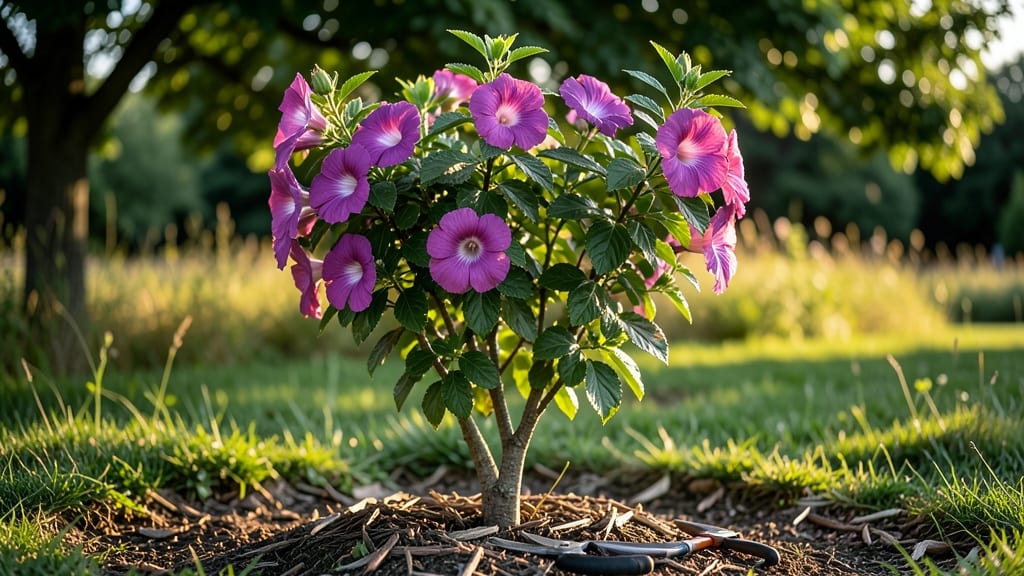
Fall's the perfect time to prune your Rose of Sharon for next year's showstopping blooms. 🌿 I've learned that late autumn—after leaves drop but before hard frost—is the sweet spot for shaping these hardy shrubs, and it sets them up for a spectacular spring rebirth.
The magic happens when you cut back about a third of the oldest stems, right above outward-facing buds. This encourages fresh growth from the base while keeping the plant's natural form.
In colder zones (5-9), focus on cleanup before winter; in milder areas, you can prune even later for extended blooming. You'll reward yourself with lush, fragrant blooms that start in early summer and often continue through fall.
The flowers attract pollinators and add a romantic touch to any garden corner, with colors ranging from soft lavender to deep purple. Works beautifully as a standalone specimen or mixed into shrub borders. Here's exactly how to time and execute the cuts for maximum impact next season.
📚 In This Guide
- What you need
- Instructions
- Tips and common mistakes
- Wrapping up and next steps
What you need
- ● Pruning shears: Sharp, bypass-style shears (1 pair) for clean cuts.
- ● Loppers: For thicker branches (1 pair, 6–8" blades).
- ● Gloves: Heavy-duty gardening gloves (1 pair) to protect from thorns.
- ● Disinfectant: 70% isopropyl alcohol or bleach solution (1:9 ratio) to sterilize tools.
- ○ Pruning sealant (optional but helpful): Tree wound paint (small bottle) for large cuts.
- ● Garden twine or tape: (1 roll) to mark branches if needed.
- ● Timing: Prune in late winter or early spring (before buds swell) or right after flowering (fall).
- ● Weather: Choose a dry, calm day to avoid spreading disease.
- ● Safety: Wear long sleeves/pants—Rose of Sharon has sharp thorns!
- ● Knowledge: Familiarize yourself with the plant’s growth habit (e.g., open-centered vs. bushy).
- ● Hand saw: For stubborn, thick branches (1 small pruning saw).
- ● Ladder: If your plant is tall (4–6 ft or taller).
- ● Compost bin: To recycle pruned branches as mulch.
- ● Camera: Snap photos of your pruning plan for reference!
How to prune Rose of Sharon for fall bloom and winter resilience
Fall is the perfect time to shape your Rose of Sharon for next year's showstopping blooms.
✂️ Step 1: Wait Until After First Frost
Hold off pruning until after the first hard frost has killed back the foliage. You'll know it's time when the leaves turn brown and crisp—this usually happens in late fall or early winter. Pruning too early removes next year's flower buds hidden in the stems.
I always wait until mid-November to December in my zone 6 garden. If you're in a warmer climate, aim for after Christmas. The key is to prune when the plant is fully dormant but before winter's harshest cold sets in.
✂️ Step 2: Remove Dead or Damaged Wood First
Start by cutting out any dead, diseased, or broken branches at their base. These are easy to spot—they'll be brown, hollow, or completely devoid of buds. Use clean, sharp pruners to make 45-degree cuts just outside the branch collar.
Don't worry about being gentle here. Rose of Sharon is tough and will bounce back beautifully. I like to remove about 10-20% of the plant's total branches in this step, focusing on anything that looks compromised.
✂️ Step 3: Thin Out Crowded Branches
Next, look for branches that are rubbing against each other or growing inward toward the center. These should be removed to improve airflow and sunlight penetration. Aim to create an open vase shape with branches spaced evenly around the plant.
I usually remove about 25-30% of the plant's total growth in this step. Cut back to a strong outward-facing bud or branch. You'll see the plant's natural shape emerge as you work—this is where the magic happens.
✂️ Step 4: Shape for Next Year's Blooms
Now it's time for the creative part. Look for branches that are too long or leggy. Cut these back by about one-third to encourage bushier growth and more flowers. Make your cuts just above a bud that faces outward.
I like to step back frequently to check the overall shape. The goal is to create a plant that looks like a rounded, open vase rather than a dense center with bare branches on the outside. This shape ensures maximum blooms next season.
🪴 Step 5: Clean Up and Protect for Winter
After pruning, clean up all the debris and dispose of it properly. Never leave cut branches on the ground—they can harbor pests and diseases. Once the ground is clear, apply a 2-3 inch layer of mulch around the base of the plant.
This mulch acts like a cozy blanket, protecting the roots from freezing temperatures. I also like to wrap the base of young plants with burlap or frost cloth for extra protection during the coldest months. Your Rose of Sharon will thank you with vibrant blooms next summer.
Tips & tricks for perfect Rose of Sharon pruning
Here's what I've learned after years of shaping my own Rose of Sharon bushes—these small details make all the difference.
Timing is Everything: The mid-November to December window is critical because it gives your plant time to harden off before winter. I've pruned too early and ended up with sparse blooms the next summer. Look for fully crisp brown leaves—this is your cue that the plant is truly dormant and ready. For warmer climates, that "after Christmas" guideline is your safety net against unexpected late-season growth.
Tool Prep Matters: Before you even touch a branch, clean your pruners with rubbing alcohol to prevent spreading disease. I sterilize mine between each cut when dealing with compromised branches. Also, make sure your blades are sharp—dull tools crush stems instead of making clean cuts, which invites infection. A quick test: if it takes more than light pressure to cut through a pencil, your blades need sharpening.
Shape with Purpose: When creating that open vase shape in Step 3, think about sunlight penetration. I like to visualize the plant as an umbrella—branches should spread outward like spokes to catch maximum light. This isn't just about looks; proper spacing prevents fungal issues by improving airflow. And remember, those outward-facing buds you're cutting to? They'll become next year's blooms, so choose them carefully.
Winter Protection Hack: For that 2-3 inch mulch layer, I use a mix of shredded leaves and straw. This combo provides insulation while also improving soil structure over time. Pro tip: leave a small gap around the trunk to prevent moisture buildup that could lead to rot. And if you're using frost cloth, secure it loosely—you want airflow, not a sealed tent.
Pro Tips for Rose Of Sharon Fall
- Here's what I've learned after years of shaping my own Rose of Sharon bushes—these small details make all the difference.
- Timing is Everything: The mid-November to December window is critical because it gives your plant time to harden off before winter.
- Tool Prep Matters: Before you even touch a branch, clean your pruners with rubbing alcohol to prevent spreading disease.
Frequently asked questions
Got questions about your Rose of Sharon (Hibiscus syriacus) as fall approaches? You’re not alone!
Whether you're troubleshooting wilted blooms, planning for winter, or wondering about alternatives, we’ve got answers to keep your plant thriving. Here are the most common queries:
When is the best time to prune Rose of Sharon in fall?
Prune your Rose of Sharon after the first hard frost (typically late fall) but before winter dormancy sets in. This encourages healthy regrowth in spring. Avoid heavy pruning too late—wait until late November or early December in most climates. Pro tip: Use clean, sharp shears to prevent disease!
How do I protect my Rose of Sharon from winter damage?
Mulch the base with 2-3 inches of organic mulch (like straw or shredded leaves) to insulate roots. Young plants may need burlap wraps or frost cloth for extra protection. Avoid overwatering in winter—let soil dry slightly between waterings. Bonus: Evergreen shrubs nearby can block harsh winds!
Why are my Rose of Sharon leaves turning brown or yellow in fall?
Brown/yellow leaves are usually normal as the plant sheds old foliage before dormancy. However, if it’s only on some branches or paired with wilting, check for pests (like spider mites) or fungal issues (like powdery mildew). Prune affected areas immediately and treat with neem oil if needed.
Can I still plant a Rose of Sharon in fall for next year’s blooms?
Fall planting (4-6 weeks before frost) gives roots time to establish before winter. Choose a sunny spot with well-draining soil, water deeply after planting, and mulch to retain moisture. Young plants may need winter protection their first year. Timing tip: Aim for late September to early November in most zones.
What are good alternatives if Rose of Sharon doesn’t thrive in my climate?
If your zone is too cold or humid, try Butterfly Bush (Buddleia) for fragrant blooms, Crape Myrtle (Lagerstroemia) for vibrant colors, or Abelia for low-maintenance beauty. All three handle fall pruning well and offer similar seasonal interest. Climate hack: Check your USDA zone—some varieties (like ‘Dwarf Blue’ Hibiscus) are hardier!
Wrapping up and next steps
The Rose of Sharon isn’t just a stunning addition to your garden—it’s a year-round star with the right care, especially when it comes to pruning timing. By understanding its seasonal needs, you’ll keep its blooms vibrant and its fragrance lingering long after summer fades.
Whether you’re trimming for shape, health, or next year’s growth, timing is everything!
Ready to transform your garden into a fragrant paradise? Grab your pruners, mark your calendar, and start with late winter or early spring—your Rose of Sharon will thank you with a showstopping display! 🌸✨