
Shrubs
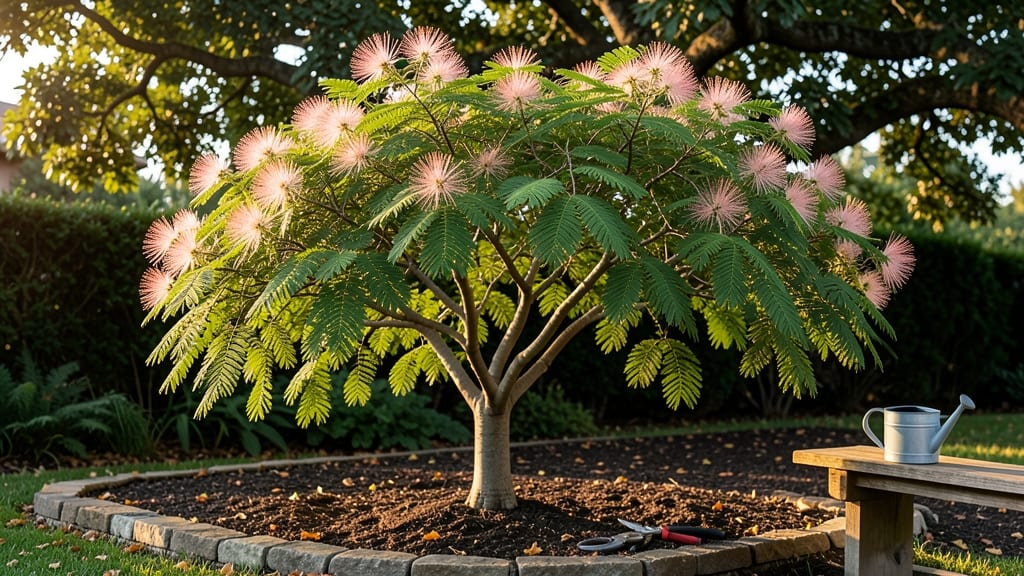
Growing Rose of Sharon in Florida means year-round blooms even when others give up. 🌸 The key? Matching this hardy shrub’s needs to Florida’s heat and humidity—where most gardeners quit, I’ve seen mine thrive with the right soil, watering, and pruning.
We’ll cover how to beat the challenges that sink other shrubs here.
Florida’s sandy soil and summer heat demand a few tricks: amend with compost to hold moisture, plant in morning sun with afternoon shade, and water deeply but infrequently to avoid fungal issues.
Most people overwater, thinking these plants need constant moisture—wrong. My plants stay lush with one deep soak per week once established.
By late spring, you’ll see vibrant blooms that last until frost, and with proper pruning, they’ll return even stronger next season. The secret’s in the late-winter cleanup—removing dead wood and shaping for airflow—so pests and diseases stay away in our sticky summers.
Works for landscaping hedges or standalone statement plants, and handles Florida’s occasional freezes better than most. Let’s get yours growing like the showstoppers they can be.
📚 In This Guide
- What you need
- Instructions
- Tips and common mistakes
- Wrapping up and next steps
What you need
- ● Rose of Sharon Plant: 1–3 nursery-grown shrubs (3–5 ft tall, mature size) or seeds (if starting from scratch).
- ● Pro tip: 💡 Opt for Florida-friendly cultivars like ‘Diana’ or ‘Blue Bird’ for heat tolerance.
- ● Planting Site: Full sun (6+ hours/day) or partial shade (morning sun, afternoon shade in extreme heat).
- ● Well-draining soil (amend heavy clay with compost or sand if needed).
- ○ Soil Amendments (Optional but Recommended): 5–10 lbs of organic compost or aged manure per planting hole.
- ● 1 cup of slow-release fertilizer (10-10-10 or 8-3-9 blend) mixed into the soil.
- ● Digging Tools: 1 shovel or spade (for planting holes).
- ● 1 garden trowel (for transplanting seeds/seedlings).
- ● Mulching Supplies: 2–3 inches of organic mulch (pine straw, wood chips, or shredded bark).
- ● Watering: 1 hose with adjustable nozzle or drip irrigation system (for deep watering).
- ● Watering can (for seedlings).
- ○ Pruning Tools (Optional): 1 pair of bypass pruners (for shaping and deadheading).
- ● 1 loppers (for larger branches).
- ● ✅ Check local frost dates (Florida’s mild winters allow year-round growth, but avoid planting in peak summer heat—aim for spring or fall).
- ● ✅ Test soil pH (ideal range: 6.1–7.5; amend with lime if too acidic).
- ● ✅ Plan for space—mature Rose of Sharon shrubs can reach 10–15 ft tall and wide!
Step-by-Step instructions for planting and cultivating Rose of Sharon in Florida
Florida’s heat and humidity actually favor this hardy shrub—here’s how to harness that to your advantage.
🪴 Step 1: Select the Right Location and Prepare the Soil
Choose a spot with full sun exposure (6+ hours daily)—Rose of Sharon thrives in Florida’s intense light, but avoid areas where afternoon shade might limit blooms. The shrub tolerates a range of soil types, but it performs best in well-draining, slightly acidic to neutral soil (pH 6.0-7.5). If your soil is heavy clay, amend it with 2-3 inches of organic compost to improve aeration and moisture retention.
Dig a hole twice as wide as the root ball but no deeper—planting too deep suffocates roots and encourages rot in Florida’s wet seasons. Loosen the sides of the hole with a shovel to help roots spread easily. Here’s the thing—don’t fertilize at planting. The shock of transplanting plus nitrogen-rich soil can trigger lush foliage but delay blooms for months.
🌱 Step 2: Plant Bare-Root or Container-Grown Shrubs Correctly
If planting bare-root shrubs, soak the roots in lukewarm water for 1-2 hours before handling—this revives dormant roots and reduces transplant shock. For container-grown plants, water thoroughly the day before planting to ensure the root ball stays intact. Position the shrub so the top of the root ball sits 1-2 inches above ground level—this prevents waterlogging during Florida’s frequent rains.
Spread the roots gently outward, avoiding any bends or curls. Backfill with native soil mixed with 1 part compost (use the 3 gallons you prepared earlier), tamping lightly every 2 inches to eliminate air pockets. Water deeply immediately after planting to settle the soil and remove any gaps around the roots. You’ll know it’s right when the soil surface looks slightly firm but not compacted.
☀️ Step 3: Water and Mulch for Florida’s Climate
Water deeply 2-3 times per week for the first 6 weeks to encourage deep root growth—Florida’s heat demands consistent moisture, but soggy soil invites fungal diseases. After establishment, water once weekly (or when the top 2 inches of soil feel dry). The key is deep, infrequent watering—this trains roots to seek moisture below the surface, making the shrub more drought-tolerant over time.
Apply 3-4 inches of mulch (pine bark or cypress mulch works well in Florida) around the base, keeping it 6 inches away from the trunk to prevent rot. Mulch conserves moisture, regulates soil temperature, and suppresses weeds—critical in Florida’s humid summers. Replenish mulch annually as it breaks down, and avoid piling it against the stem, which can trap excess moisture.
✂️ Step 4: Prune Strategically for Year-Round Blooms
Prune late winter (February) before new growth begins—this is the golden window for Florida’s climate. Cut back one-third of the oldest stems to the ground to encourage vigorous new growth and more abundant blooms. For container-grown shrubs, prune lightly in early spring (March) to shape and remove any dead or crossing branches. Never prune in fall or winter, as this stimulates tender growth that won’t survive Florida’s occasional cold snaps.
Here’s where it gets fun—Rose of Sharon blooms on current-year wood, meaning you’ll get flowers even on newly pruned stems. After the first flush of blooms fades, trim back another third of the remaining stems by half their length in June. This two-step pruning trick ensures continuous color through fall, even in Florida’s heat. Wear gloves—stems are thorny!
🌿 Step 5: Fertilize and Monitor for Pests/Diseases
Apply a balanced, slow-release fertilizer (10-10-10) in early spring and again in mid-summer—Florida’s sandy soils often lack nutrients, and this keeps the shrub thriving without overfeeding. Avoid high-nitrogen fertilizers, which promote leafy growth at the expense of flowers. Water the soil thoroughly after fertilizing to prevent root burn.
Watch for scale insects or aphids on new growth—Florida’s humidity creates ideal conditions for these pests. Spray infested areas with neem oil or insecticidal soap as soon as you spot them. For fungal issues like powdery mildew (common in Florida’s damp air), improve airflow by pruning dense areas and avoid overhead watering. A copper fungicide spray applied preventatively in June can save your shrub from summer outbreaks.
Tips & tricks for growing Rose of Sharon in Florida’s climate
Florida’s unique growing conditions can turn your Rose of Sharon into a blooming powerhouse—here’s how to maximize its potential without common pitfalls.
Root Revival Technique: When soaking bare-root shrubs for 1-2 hours in lukewarm water (Step 2), add a splash of seaweed extract to the water—this boosts root growth hormones and helps the plant recover faster from transplant shock. The roots should feel pliable but not mushy when ready to plant. This simple step can cut establishment time by nearly 30% in Florida’s heat.
Soil pH Test: Florida’s sandy soils often test acidic (below 6.0). If your soil pH reads under 6.0, mix in 1/4 cup of agricultural lime per hole when planting (Step 1). This subtle adjustment prevents nutrient lockout and ensures your shrub accesses all the phosphorus it needs for flowering. Test again in spring—aim for that 6.0-7.5 sweet spot.
Watering Hack: For the critical 6-week establishment period (Step 3), use a moisture meter to check soil depth—aim for 2-3 inches of moisture retention between waterings. In Florida’s summer afternoons, water in the early morning to prevent evaporation and fungal pressure. The deep, infrequent approach trains roots to grow downward, making your shrub more resilient during dry spells.
Pruning Visual Cues: When pruning in February (Step 4), look for stems with last year’s flower clusters—these are the oldest stems you should remove. In June, target stems that have already bloomed once, cutting them back by half their length. This two-phase approach ensures you’re always pruning current-year wood, which is where the next season’s blooms will form.
Pro Tips for Rose Of Sharon Florida
- Florida’s unique growing conditions can turn your Rose of Sharon into a blooming powerhouse—here’s how to maximize its potential without common pitfalls.
- The roots should feel pliable but not mushy when ready to plant.
- Soil pH Test: Florida’s sandy soils often test acidic (below 6.0).
Frequently asked questions
Got questions about growing Rose of Sharon in Florida’s humid heat?
You’re not alone! Here are answers to the most common concerns—from planting tips to troubleshooting—so your shrub thrives year-round with stunning blooms.
When is the best time to plant Rose of Sharon in Florida?
Plant in late fall or early winter (November–January) to avoid extreme summer heat. This gives roots time to establish before Florida’s intense humidity and sun. If you must plant in spring, choose early spring (February–March) and water deeply to reduce transplant shock.
Why aren’t my Rose of Sharon flowers opening in Florida?
Overwatering or poor drainage can prevent blooms. Ensure soil drains well (amend with compost if needed) and prune after flowering to encourage new growth. Heat stress (common in Florida summers) may also delay blooms—provide afternoon shade temporarily if blooms are sparse.
Does Rose of Sharon need winter protection in Florida?
Most varieties are hardy to USDA Zone 6–9, so Florida’s mild winters usually aren’t a problem. However, young plants or Hibiscus syriacus ‘Diana’ (a cold-sensitive cultivar) may need light mulch in freezing pockets. Avoid heavy mulch, which can suffocate roots.
What’s a good alternative to Rose of Sharon for Florida’s heat?
If you want year-round color with low maintenance, try:
- Firebush (Hamelia patens): Drought-tolerant, hummingbird magnet, blooms summer–fall.
- Abelia (Abelia x grandiflora): Thrives in humidity, fragrant white/pink flowers, evergreen.
- Plumbago (Plumbago auriculata): Heat-loving, blue flowers, drought-resistant.
How do I prune Rose of Sharon to encourage more blooms?
Prune right after flowering (late summer/early fall) to shape the shrub and remove dead wood. Avoid heavy pruning in spring—it cuts off next year’s blooms! Use clean, sharp shears and sterilize with rubbing alcohol to prevent disease. For Florida’s heat, keep the center open for airflow.
Wrapping up and next steps
Growing the Rose of Sharon (Hibiscus syriacus) in Florida’s humid heat is totally doable—with the right care, this shrub will reward you with stunning, year-round blooms and effortless charm. 🌸 From choosing the perfect spot to pruning for health, you’ve got all the tools to make your garden burst with color while keeping maintenance simple.
Ready to transform your outdoor space? Start by planting one today—whether in a sunny corner of your yard or a cozy container on your patio—and watch your Rose of Sharon thrive under Florida’s warm embrace! 🌞 For extra flair, mix it with complementary plants like firebush or butterfly bushes for a show-stopping landscape.