
Pruning
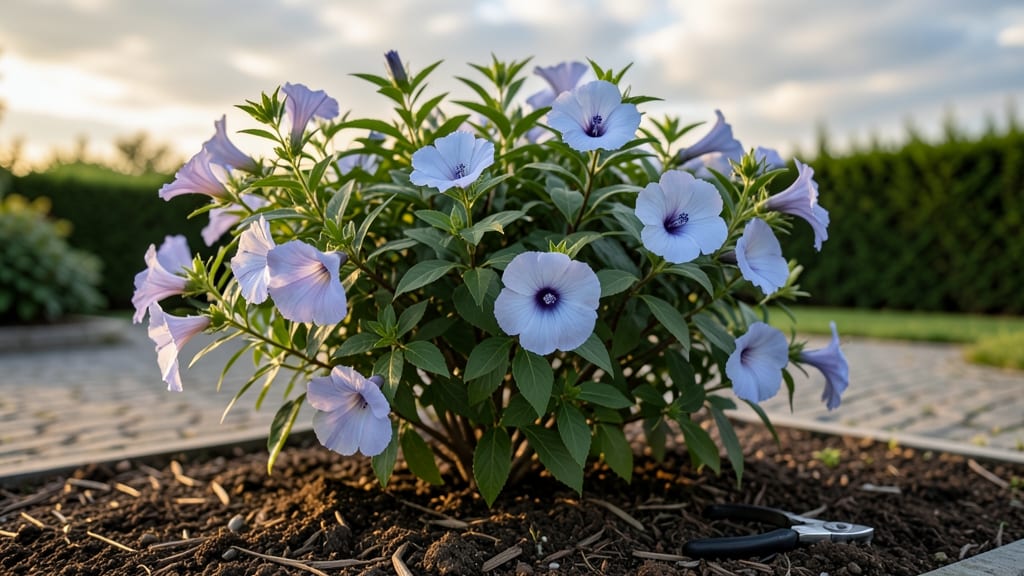
That first burst of vibrant blue from your Rose of Sharon tree in early summer is worth every minute of pruning. 🌿 I’ve spent years perfecting the timing and technique to keep my blue Hibiscus syriacus blooming reliably—even through late summer when most varieties fade.
The secret lies in understanding how this tree grows and when to shape it for maximum impact.
You’ll need sharp pruners, a ladder (for taller trees), and a clear understanding of the tree’s natural growth cycle. Rose of Sharon blooms on new wood, meaning aggressive pruning in late winter or early spring encourages fresh growth—and more flowers.
Most gardeners overlook the importance of removing dead or crossing branches first, which sets the stage for healthier blooms.
By mid-summer, your tree will be covered in clusters of sky-blue blooms that last for weeks, attracting hummingbirds and adding drama to your landscape. The key is consistent pruning every 2-3 years to maintain shape and encourage vigorous new growth.
Even in hot climates, this variety holds its color better than others.
Works equally well as a standalone specimen or in mixed borders. Here’s how to keep it thriving season after season—no guesswork involved.
📚 In This Guide
- What you need
- Instructions
- Tips and common mistakes
- Wrapping up and next steps
What you need
- ● Pruning shears: Bypass pruners (sharp, clean, and disinfected with rubbing alcohol to prevent disease). 💡 Pro tip: Invest in a pair with ergonomic grips for comfort during long sessions!
- ● Loppers: For thicker branches (1–2 inches in diameter). Look for bypass-style loppers with a 4–6 inch blade.
- ● Hand pruners: For delicate trimming (smaller than ½ inch). Anvil-style is fine for occasional use.
- ● Garden gloves: Heavy-duty, nitrile-coated to protect against thorns and debris.
- ● Disinfectant: 70% isopropyl alcohol or a 10% bleach solution (1 part bleach to 9 parts water) to sterilize tools between cuts.
- ○ Pruning sealant (optional): Tree wound sealant (like Tanglefoot Tree Wound Pruning Sealer) for large cuts (>1 inch in diameter).
- ● Ladder or step stool: Aluminum extension ladder (if tree is 6+ feet tall) or a stable 2-step stool for shorter varieties.
- ● Trash bags or bucket: For collecting pruned branches and debris.
- ○ Marking spray (optional): Bright pink or yellow spray paint to mark branches for removal (helps visualize the shape!).
- ● Weather check: Prune on a dry, overcast day (avoid pruning when the tree is wet or in direct sun to reduce stress).
- ● Timing: Best done in late winter or early spring (before new growth) or right after blooming to encourage continuous flowers.
- ● Safety gear: Safety glasses (to shield from debris) and closed-toe shoes.
- ● Tree health: Ensure the tree is healthy (no signs of disease like black spots or wilting leaves).
- ● Garden kneeler: For comfort if you’re working close to the ground.
- ● Pruning saw: For thick, woody branches (>2 inches). A bow saw or pruning saw works best.
- ● Tree pruning chart: Print a Rose of Sharon pruning diagram to visualize the ideal shape.
- ● Compost bin: For recycling pruned branches into mulch.
Step-by-step pruning guide for blue Rose of Sharon trees
Here's how I keep my blue flowering shrubs blooming nonstop—no dead wood, no wasted energy.
✂️ Step 1: Prune Immediately After First Season's Blooms
Cut back all spent blooms and seed heads down to the first healthy leaf or bud below them. This is called "deadheading" and it redirects the plant's energy into next season's flowers instead of seed production. Use sharp, clean pruners to make cuts at a 45-degree angle just above a bud facing outward—this encourages bushier growth.
I always prune on a dry morning when the plant isn't stressed. The first true pruning should happen within 2-3 weeks after the last bloom fades. If you wait too long, the plant will start putting energy into seed development, and you'll lose that vibrant blue flowering.
✂️ Step 2: Perform Structural Pruning in Late Winter
Between January and early March, when the plant is still dormant but before new growth begins, remove any crossing branches, dead wood, or branches growing inward. This is your chance to shape the shrub while it's at its most vulnerable. Start by removing 1/3 of the oldest stems at the base to encourage new growth from the center.
Look for branches that are rubbing against each other—they'll create wounds that invite disease. Also remove any branches that are thinner than a pencil, as they won't contribute much to the plant's structure or flowering. Make cuts just above a outward-facing bud, and always cut at the branch collar to avoid damaging the plant's healing tissue.
✂️ Step 3: Light Maintenance Pruning After Each Flowering Cycle
After each flush of blooms, give your Rose of Sharon a quick trim to keep it looking its best. Remove any branches that have finished blooming and are now just taking up space. You'll know it's time when the leaves start turning yellow or brown at the tips. Cut these branches back to the nearest healthy growth point.
This is also the time to shape the plant. If it's getting too leggy, cut back some of the longer branches by 1/3 of their length. The key here is to maintain an open center—Rose of Sharon trees bloom on old wood, so you want plenty of mature stems to support next year's flowers. Never remove more than 25% of the plant's foliage in one session.
✂️ Step 4: Renewal Pruning Every 3-4 Years
Once your Rose of Sharon starts looking tired or stops flowering as heavily, it's time for a renewal pruning. In late winter, cut back 1/3 to 1/2 of the oldest stems to the ground. This might seem drastic, but it stimulates vigorous new growth from the base and rejuvenates the plant. The new stems will produce flowers in their second or third year.
This is also a good time to check for any signs of disease or pest damage. Remove any branches that show signs of cankers, dieback, or unusual discoloration. Sterilize your pruners with rubbing alcohol between cuts to prevent spreading any potential infections. After renewal pruning, your plant will look bare for a season, but it'll come back stronger and more productive.
☀️ Step 5: Post-Pruning Care for Optimal Recovery
After any significant pruning, give your Rose of Sharon a boost to help it recover. Apply a balanced, slow-release fertilizer in early spring to support new growth. Water deeply right after pruning to help the plant recover from the stress. Keep the soil consistently moist but not soggy for the first 4-6 weeks after pruning.
Watch for new growth emerging from the base and branches. This is your sign that the plant is responding well to the pruning. If you notice any yellowing leaves, it might be a sign of over-pruning or nutrient deficiency. In this case, apply a foliar feed with micronutrients to help the plant recover. With proper care, your Rose of Sharon will bounce back and produce even more stunning blue blooms next season.
Tips & tricks for perfect Rose of Sharon tree pruning
These essential techniques will help you maintain vibrant blue blooms year after year without sacrificing plant health.
Timing is Everything: The 2-3 week window after the last bloom fades is critical for deadheading. I've learned the hard way that waiting too long means the plant shifts energy to seed production instead of next season's flowers. Mark your calendar right after your final bloom appears—this is your cue to act. The plant's natural cycle makes this timing predictable if you observe it closely.
Tool Precision Matters: Invest in high-quality pruners with sharp, clean blades—dull tools crush stems instead of making clean cuts. I sterilize my pruners with rubbing alcohol between cuts during renewal pruning to prevent disease spread. The 45-degree angle cuts mentioned in Step 1 aren't just aesthetic; they direct water runoff away from the wound, reducing rot risk.
Strategic Branch Selection: When removing 1/3 of oldest stems during structural pruning, target the largest, thickest branches first. These are the ones that have already fulfilled their flowering potential. The pencil-thin branches mentioned in Step 2 are actually the plant's future growth—preserve them! This selective approach maintains the plant's natural shape while ensuring continuous blooming.
Recovery Period Respect: The 4-6 week post-pruning care window is non-negotiable for significant cuts. I've seen plants recover beautifully when given consistent moisture and fertilizer, but they need patience. Yellowing leaves during this period aren't always a problem—they can indicate nutrient redistribution. Wait until new growth emerges before making any adjustments.
Pro Tips for Rose Of Sharon Tree Blue
- These essential techniques will help you maintain vibrant blue blooms year after year without sacrificing plant health.
- Timing is Everything: The 2-3 week window after the last bloom fades is critical for deadheading.
- Tool Precision Matters: Invest in high-quality pruners with sharp, clean blades—dull tools crush stems instead of making clean cuts.
Frequently asked questions
Got questions about keeping your Hibiscus syriacus (Rose of Sharon) blooming blue all year? You’re not alone!
Here are the most common queries—and expert answers—to help you master pruning and care.
When is the best time to prune for blue flowers?
The ideal window is late winter or early spring (just before new growth starts). For year-round blooms, do a light pruning in late summer too—this encourages fresh flowers before winter. Avoid heavy cuts after mid-summer, or you’ll sacrifice fall/winter blooms. Pro tip: Prune on a dry day to reduce disease risk!
How much should I cut back for blue blooms?
Start with 25-30% of the plant’s height in late winter. Remove dead, crossing, or inward-growing branches first, then trim back the remaining stems by ⅓ to ½. For blue flowers, focus on open-centered cuts (just above a bud or branch) to promote airflow and sunlight—key for vibrant blooms. Too much? You’ll shock the tree!
Why aren’t my Rose of Sharon flowers staying blue?
Blue blooms fade to pink or purple due to sun exposure, pH, or genetics. For deeper blue:
- Plant in full sun (6+ hours/day).
- Test soil pH—6.0-7.0 is ideal (alkaline soil intensifies blue).
- Choose ‘Blue Bird’ or ‘Blue Heaven’ cultivars—they’re bred for true blue.
Can I prune a Rose of Sharon tree in summer?
Yes, but lightly! Heavy summer pruning stresses the tree and can reduce fall/winter blooms. Instead, do minimal shaping or deadheading to encourage new growth. If you must prune, wait until late July or August—this gives the tree time to recover before winter. Avoid pruning after Labor Day in colder climates.
What’s a good alternative if my tree won’t bloom blue?
If your Hibiscus syriacus isn’t cooperating, try these blue-blooming alternatives:
- ‘Blue Moon’ Butterfly Bush (Buddleia) – Drought-tolerant and pollinator-friendly.
- Caryopteris (Blue Mist Shrub) – Thrives in heat and blooms late summer.
- ‘Blue Spires’ Lilac – Fragrant and cold-hardy.
Wrapping up and next steps
Transforming your Rose of Sharon tree into a stunning year-round blue bloomer is totally within reach!
With the right tools, timing, and techniques—like strategic pruning, proper spacing, and seasonal care—you’ll unlock vibrant blooms that steal the show. 🌸✨ Remember, patience and consistency are key, so don’t hesitate to experiment and refine your approach.
Ready to take the next step? Grab your pruners, mark your calendar, and start planning your pruning schedule—your tree (and your neighbors!) will thank you. Happy gardening!