
Planting
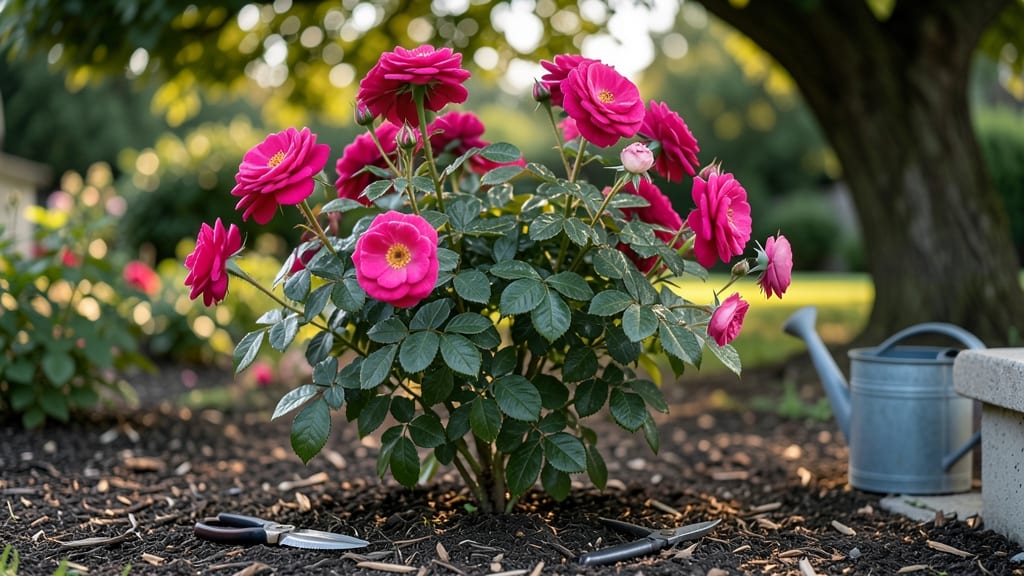
This rose perennial plant thrives with fragrant blooms that return year after year—if you nail the deadheading trick. ✨ I’ve watched my own roses multiply and thrive for over a decade, and the secret isn’t just in the soil or water. it’s in knowing when to prune and how to encourage that second flush of blooms.
Roses love full sun (at least 6-8 hours daily) and well-draining soil, but they’re surprisingly forgiving once established. The real game-changer? Deadheading spent blooms consistently to trigger new growth.
My first attempt at this left me with a bush full of bare stems—until I learned the 45-degree angle cut trick above an outward-facing bud.
By late summer, you’ll see fresh buds forming, and with proper winter protection (mulch or burlap wraps), your roses will bounce back stronger every spring. The fragrance alone makes it worth the effort—imagine stepping into a garden where every petal smells like a sunny June afternoon.
Works for hybrid teas, floribundas, and even shrub roses in zones 5-9. The key is patience: perennial roses reward long-term care with decades of blooms. Let’s get those canes pruned right!
📚 In This Guide
- What you need
- Instructions
- Tips and common mistakes
- Wrapping up and next steps
What you need
- ● Rose plants: Choose between: Bare-root roses (dormant, best for fall/winter planting)
- ● Potted roses (container-grown, plant year-round in mild climates)
- ● Seeds (for heirloom or hybrid roses; requires more patience!)
- ● Soil: 5–10 bags (1–2 cubic feet each) of well-draining, nutrient-rich soil (mix garden soil with compost or rose-specific potting mix).
- ● Fertilizer: 1 bag of balanced rose fertilizer (10-10-10 or organic options like fish emulsion).
- ● Mulch: 2–3 bags of organic mulch (wood chips or straw) to retain moisture and suppress weeds.
- ● Pruning tools: 1 pair of bypass pruners (for clean cuts)
- ● 1 pruning saw (for thick stems)
- ● Stakes & ties: 3–5 bamboo or metal stakes (5–6 ft tall) + soft jute twine to support climbing roses.
- ● Watering can or hose: With a gentle spray nozzle to avoid damaging blooms.
- ● Gloves: Heavy-duty gardening gloves to protect from thorns.
- ● pH tester: To check soil acidity (ideal range: 6.0–6.5 for roses).
- ● Epsom salt: 1–2 lbs for magnesium boost (dissolve in water monthly).
- ● Pest control: Neem oil spray (organic)
- ● Insecticidal soap (for aphids/whiteflies)
- ● Deadheading shears: Small, sharp scissors for trimming spent blooms.
- ● Rose food spikes: Slow-release granules for convenience.
Step-by-Step guide to deadheading roses for long-lasting fragrance
Here's how to keep your roses blooming nonstop—no fancy tools, just a sharp pair of shears and a little timing.
🌿 Step 1: Identify the Right Blooms to Trim
Deadheading isn't about cutting everything—it's about removing spent blooms strategically. Look for roses that have fully opened and are starting to fade, their petals curling or falling. These are the ones to snip off completely at the base. I always wait until the bloom is at least 50% spent—cutting too early removes potential buds still forming.
Leave behind buds that are still tightly closed or just starting to open. These contain next season's flowers. You'll know you're doing it right when you see fresh, green buds popping up within 2-3 weeks after your first round of deadheading.
✂️ Step 2: Cut at the Right Spot for Maximum Blooms
Never cut a stem flush with the main growth. Instead, find the 5-leaflet leaf cluster just below the spent bloom and make your cut 1/4 inch above it. This ensures you're pruning at a node where new growth can emerge. If you cut too close to the leaf, you risk damaging the plant's energy source.
For hybrid teas and grandifloras, I like to make a slight angle on the cut—about 45 degrees—to help water run off and prevent rot. Use clean, sharp shears (I disinfect mine with rubbing alcohol between cuts) to avoid tearing stems or spreading disease. You'll notice stronger, bushier growth within 3-4 weeks if you're cutting at the right spots.
🌱 Step 3: Time Your Deadheading for Continuous Blooms
Deadhead roses every 7-10 days during peak bloom season (spring through fall). The key is consistency—don't wait until blooms are completely dead. Regular trimming tells the plant to redirect its energy into producing new buds rather than seeding. I set a reminder on my phone for every Friday morning because that's when I notice the most spent blooms.
In late summer, reduce deadheading frequency to every 2-3 weeks. This gives the plant time to harden off before winter. You'll see a natural slowdown in blooming, but the flowers you do get will be even more fragrant as the plant prepares for dormancy.
☀️ Step 4: Boost Fragrance With Post-Deadheading Care
After deadheading, give your roses a light feeding with a balanced 10-10-10 fertilizer mixed at half strength. This encourages new growth without overwhelming the plant. Water deeply at the base (about 1 gallon per plant) to help roots absorb nutrients. I always water in the early morning so the foliage has time to dry before evening.
Remove any suckers—those aggressive shoots growing from the base or along the stem—that compete with your main plant. These sap-suckers drain energy from your roses. You'll smell the difference within 2 weeks—fresher, more intense fragrance as the plant focuses its energy on producing high-quality blooms.
🌿 Step 5: Prepare for Seasonal Transitions
In fall, stop deadheading entirely 6-8 weeks before your first frost. This allows the plant to redirect energy into root development and hardening off. You'll know it's time when you see fewer than 3 new blooms per week—a natural slowdown as the plant prepares for winter.
Cut back any remaining dead blooms to 12-18 inches tall and remove all leaves that show signs of disease. Mulch around the base with 2-3 inches of organic mulch to protect roots from freezing temperatures. Your roses will thank you next spring with stronger stems and more abundant blooms.
Tips & tricks for perfect rose perennial care
Here's what nobody tells you about keeping your roses fragrant and blooming all season long.
Timing Secret: In Step 3, when you're deadheading every 7-10 days, I've found that early morning is the best time to work. The blooms are fully open from overnight hydration, making it easier to spot which ones are 50% spent. Plus, you avoid the midday heat that can stress the plants after pruning.
Cutting Technique: For Step 2, the 1/4-inch rule above the 5-leaflet cluster is critical—but here's what I learned the hard way: always cut at a slight angle. This small detail prevents water from pooling at the cut, which can lead to rot. I use a small marker on my shears to ensure consistent angles every time.
Seasonal Transition: When preparing for winter in Step 5, I recommend cutting back to 12-18 inches only if your roses are particularly leggy. For most healthy roses, you can leave them slightly taller (up to 24 inches) to provide extra protection against winter winds. Just remove all diseased leaves regardless of height.
Fragrance Boost: After deadheading in Step 4, I've noticed that adding a pinch of Epsom salt (magnesium sulfate) to the water when fertilizing gives an extra fragrance boost. The magnesium helps the plant produce more essential oils, which translates to stronger scents. Use just 1 tablespoon per gallon of water—no need to go overboard.
Pro Tips for Rose Perennial Plant
- Here's what nobody tells you about keeping your roses fragrant and blooming all season long.
- Timing Secret: In Step 3, when you're deadheading every 7-10 days, I've found that early morning is the best time to work.
- Cutting Technique: For Step 2, the 1/4-inch rule above the 5-leaflet cluster is critical—but here's what I learned the hard way: always cut at a slight angle.
Frequently asked questions
Got questions about keeping your rose perennial plant thriving?
Here are answers to the most common ones—so you can enjoy those fragrant blooms all season long!
When is the best time to plant a rose perennial?
Plant your rose perennial in early spring or fall for optimal root establishment. Avoid extreme heat or frost—spring (after the last frost) or fall (6-8 weeks before the first frost) gives roots time to settle before dormancy. If planting in summer, water deeply and mulch to retain moisture.
How often should I deadhead roses for continuous blooms?
Deadhead roses regularly after blooms fade to encourage more flowers. For hybrid teas and floribundas, trim just above a 5-leaflet leaf (or outward-facing bud). For shrub roses, prune lightly to maintain shape. Pro tip: Wear gloves—thorns are sharper than they look!
Why are my rose leaves turning yellow?
Yellow leaves usually signal overwatering, nutrient deficiency, or disease. Check soil drainage first—roses hate soggy roots! If yellowing starts at the bottom leaves, it’s likely age-related. For new yellowing, test soil pH (ideal: 6.0–6.5) and fertilize with rose-specific food (high in phosphorus). Fungal issues? Prune affected leaves and apply neem oil.
Can I grow roses in containers? Which varieties work best?
Yes! Dwarf or mini roses (like ‘Bonica’ or ‘The Fairy’) thrive in containers (10–15 gallons). Use well-draining soil, a trellis for climbing types, and water daily in hot weather. Containers dry out faster—check soil moisture with your finger (top 1–2 inches should be dry). Avoid heavy mulch; opt for gravel or bark chips instead.
How do I prevent rose pests like aphids or Japanese beetles?
Start with healthy plants—stressed roses attract pests! For aphids, blast them off with water or use insecticidal soap. Japanese beetles? Handpick them (drop in soapy water) or use milky spore powder for long-term control. Preventative tip: Plant garlic or marigolds nearby—they deter pests naturally!
Do roses need winter protection?
Most hardy roses (Zones 4–9) survive winter, but mound soil or mulch (4–6 inches) around the base for insulation. For tender varieties, wrap canes loosely with burlap and add extra mulch. In Zone 3 or colder, consider container growing or a cold frame. Avoid heavy mulch in spring—it can suffocate roots as temps rise.
Wrapping up and next steps
Growing a fragrant rose perennial plant is a rewarding journey that brings beauty, color, and delightful scents to your garden! 🌹 With the right care—especially mastering the deadheading trick—you’ll enjoy lush blooms season after season.
Whether you’re a beginner or a seasoned gardener, these tips will help you cultivate roses that thrive and perfume your outdoor space.
Ready to take the next step? Start by selecting your favorite rose variety and get planting! With a little patience and love, your garden will soon be a blooming paradise. Happy gardening! 🌱