
Pests and Diseases
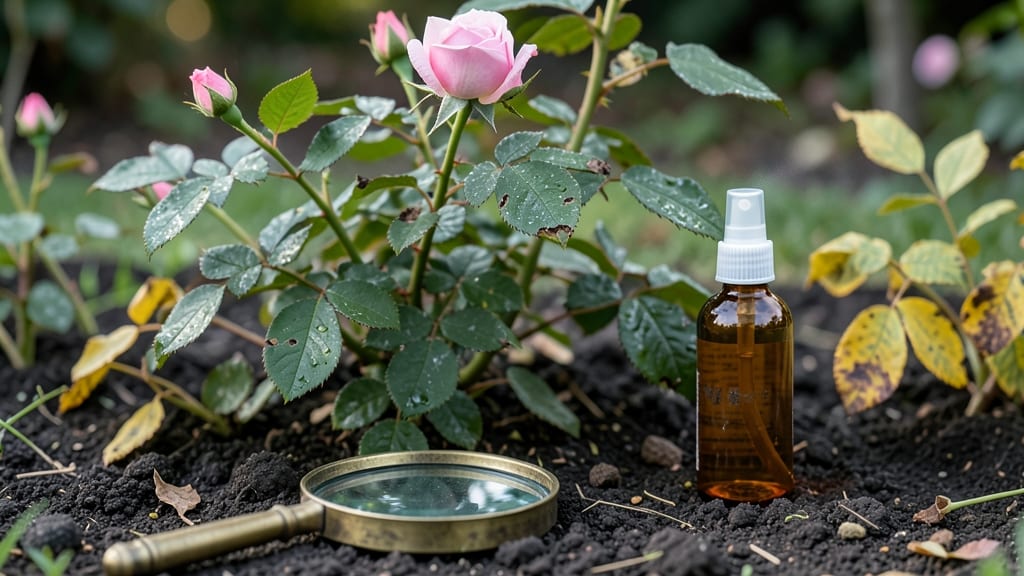
Your roses might look stunning now, but rose pests and diseases can turn that beauty into a struggle faster than you think. 🌿 I've battled everything from aphid infestations to black spot fungus, and I'm sharing the organic solutions that actually work—no harsh chemicals needed.
The key is catching problems early: black spot shows up as dark spots with yellow rings, powdery mildew looks like white dust, and Japanese beetles chew ragged edges in leaves.
Most gardeners wait too long, but a quick spray of neem oil or homemade soap solution can stop these issues before they spread. With the right preventive care—like proper spacing, clean pruners, and regular inspections—your roses will stay healthy and thriving all season.
I've seen roses bounce back from near-death conditions with these methods, and you can too. Whether you're dealing with a single leaf issue or a full-blown infestation, this guide breaks down the solutions step by step. Let's get those roses back to their best!
What Triggers Rose Problems
Roses are stunning, fragrant, and beloved by gardeners—but they’re also magnets for pests and diseases. Understanding why these issues arise is the first step to preventing them. Most problems stem from a mix of environmental stress, poor cultural practices, or the natural lifecycle of invaders.
Below, we break down the key culprits and the science behind their attacks.
Roses thrive in specific conditions, and when those conditions shift—especially due to extreme weather—your plants become vulnerable. Here’s how:
- High Humidity & Rain:
Fungal diseases like black spot (Diplocarpon rosae) and powdery mildew (Sphaerotheca pannosa) love damp leaves. When humidity stays above 70% for prolonged periods, fungal spores germinate and spread rapidly. Rain can also wash away protective layers on leaves, making them easier targets.
- Extreme Heat:
Heat stress weakens roses, making them more susceptible to pests like Japanese beetles (Popillia japonica) and spider mites (Tetranychus urticae). High temperatures also dry out soil, reducing the plant’s ability to fight off invaders.
- Poor Air Circulation:
Overcrowded roses or dense foliage trap moisture, creating the perfect breeding ground for fungi and bacteria. Without airflow, spores linger, and pests hide undetected.
💡 Pro Tip: Space roses 2–3 feet apart, prune for airflow, and water at the base (not overhead) to reduce fungal risks.
Healthy soil = healthy roses. When nutrients are missing or imbalanced, roses become weak and attract pests. Here’s how it happens:
- Nitrogen Deficiency:
Too little nitrogen leads to pale, weak growth—an open invitation for aphids and rose slugs (sawfly larvae). These pests target stressed plants because they’re easier to feed on.
- Excess Phosphorus or Potassium:
While essential, over-fertilizing with phosphorus or potassium can disrupt soil microbes, making roses more prone to root diseases like canker (Botryosphaeria spp.).
- Compacted or Waterlogged Soil:
Poor drainage cuts off oxygen to roots, weakening the plant. This invites root-knot nematodes (Meloidogyne spp.) and fungal root rots.
🔥 Fix It: Test your soil every 2–3 years and amend with compost to improve structure and microbial activity.
Many rose pests have predictable life cycles tied to seasons. Knowing their patterns helps you act before damage spreads:
| Pest | Peak Activity | Why It Attacks |
|---|---|---|
| Japanese Beetles | June–August (adults feed on leaves) | Adults seek out roses for their soft, nutrient-rich foliage. They skeletonize leaves in hours. |
| Spider Mites | Hot, dry summer months | Drought stress triggers mites to multiply rapidly, piercing cells and causing stippling. |
| Aphids | Spring (new growth) and fall | They target tender, fast-growing shoots, sucking sap and excreting honeydew (which attracts sooty mold). |
| Rose Chafers | June–July (adults chew leaves) | Adult beetles prefer roses over other plants, often stripping entire leaves overnight. |
⏰ Timing Is Everything: Monitor roses weekly during peak pest seasons. Early intervention (like handpicking beetles or spraying neem oil) stops outbreaks before they start.
Even the hardiest roses suffer when basic care is neglected. These common errors invite trouble:
- Improper Pruning:
Cutting too late in the season (after buds swell) or leaving stubs encourages fungal infections. Open wounds also attract rose borers (larvae of beetles/moths).
- Overwatering or Irregular Watering:
Wet leaves for days = fungal paradise. Meanwhile, inconsistent watering stresses roots, making them vulnerable to nematodes.
- Ignoring Debris:
Leaving fallen leaves, mulch, or old canes near the base traps moisture and pests. This is where rose slugs and canker fungi hide over winter.
- Using Infected Tools:
Pruners contaminated with fungal spores (like black spot) spread disease from plant to plant. Always sterilize tools with rubbing alcohol.
🎯 Prevention Checklist:
- Prune in early spring (before buds swell).
- Water deeply 1–2x/week (early morning).
- Remove debris and fallen petals regularly.
- Sterilize tools between cuts.
Quick Fixes for Common Rose Problems
When your roses show signs of stress—whether from pests or diseases—acting fast can save your plants. Below are targeted, organic solutions for the most common issues, along with prevention tips to keep your roses thriving long-term.
1.
Aphids & Spider Mites (Sap-Sucking Invaders) Signs: Curled leaves, sticky residue (honeydew), tiny webs. Solution: 🔥 Step 1: Blast them off – Use a strong spray of water (from a hose) to dislodge aphids from stems and undersides of leaves. 🍳 Step 2: Soap it up – Mix 1 tsp mild liquid soap + 1 quart water in a spray bottle.
Test on a small leaf first, then spray directly on pests (avoid blooms). 👨🍳 Step 3: Neem oil treatment – Combine 1 tbsp neem oil + 1 tsp mild soap + 1 quart water. Spray every 5–7 days until pests disappear.
💡 Prevention tip: Encourage ladybugs and lacewings—natural predators of aphids—by planting dill, fennel, or marigolds nearby.
2.
Japanese Beetles (Leaf Munchers) Signs: Skeletons of leaves, chewed petals, shiny green beetles. Solution: 🔪 Step 1: Handpick & drown – Drop beetles into soapy water early morning when they’re sluggish. 🥘 Step 2: Traps with beer – Bury a container filled with beer + a drop of dish soap near roses.
Beetles drown in it. ⏰ Step 3: Kaolin clay barrier – Sprinkle Surround WP (kaolin clay) on leaves to create a gritty layer beetles avoid.
🌡️ Prevention tip: Plant trap crops like roses, grapes, or viburnum far from your garden to lure beetles away.
3.
Rose Slugs (Sawfly Larvae) Signs: Black, translucent larvae, defoliated stems. Solution: 🔥 Step 1: Drop them in soapy water – Handpick larvae and drop into hot, soapy water. 🍳 Step 2: Bacillus thuringiensis (Bt) – Spray Bt (a natural bacteria) on leaves—it kills larvae when they eat treated foliage. 👨🍳 Step 3: Prune & destroy – Remove heavily infested leaves and dispose of them in sealed bags (don’t compost!).
🎯 Prevention tip: Prune roses in late winter to remove overwintering eggs on canes.
1.
Black Spot (Fungal Leaf Spots) Signs: Dark spots with yellow halos, defoliation. Solution: 🔥 Step 1: Remove infected leaves – Prune all spotted leaves and dispose of them in the trash (not compost). 🍳 Step 2: Copper fungicide spray – Use organic copper fungicide (like Copper Soap) every 10–14 days during wet seasons. 👨🍳 Step 3: Baking soda spray – Mix 1 tbsp baking soda + 1 tsp oil + 1 gallon water + a drop of soap.
Spray weekly to prevent spread.
✨ Prevention tip: Water at the base (not overhead) and space plants for airflow to reduce humidity.
2.
Powdery Mildew (White Fuzzy Coating) Signs: White powder on leaves, stunted growth. Solution: 🔥 Step 1: Wipe off mildew – Use a soft cloth dipped in water + a drop of dish soap to gently clean leaves. 🍳 Step 2: Milk spray – Mix 1 part milk + 9 parts water and spray every 7–10 days.
(Milk contains natural fungicides!) 👨🍳 Step 3: Sulfur dust – Lightly dust elemental sulfur on leaves (follow package rates) for severe cases.
💡 Prevention tip: Plant resistant varieties like ‘Dr. Huey’ or ‘The Fairy’ roses, which tolerate mildew better.
3.
Botrytis Blight (Gray Mold) Signs: Gray fuzzy mold on buds/leaves, rotting stems. Solution: 🔪 Step 1: Prune & sterilize tools – Cut off infected buds/stems with clean, sharp shears (wipe with rubbing alcohol between cuts). 🥘 Step 2: Hydrogen peroxide spray – Mix 1 tbsp 3% hydrogen peroxide + 1 quart water and spray every 5 days. ⏰ Step 3: Improve airflow – Thin out crowded canes and remove mulch near stems to reduce moisture.
🌡️ Prevention tip: Avoid overhead watering and deadhead roses promptly to prevent spore spread.
For long-term resilience, follow these easy maintenance habits:
- Feed with compost – Work aged compost into soil in early spring for nutrients.
- Mulch properly – Use 2–3 inches of organic mulch (like straw) to retain moisture and deter pests.
- Rotate sprays – Alternate between neem oil, copper, and baking soda to prevent resistance.
- Inspect weekly – Check undersides of leaves and new growth for early signs of trouble.
Final Tip: 🎯 Healthy roses = fewer problems! Focus on proper pruning, airflow, and organic inputs—your roses will reward you with vibrant blooms and pest resistance.
Frequently asked questions about rose pests and diseases
How do I tell if my rose has black spot disease?
Look for dark brown or black spots with yellow rings on leaves—classic black spot signs. The spots often have tiny black dots (fungal spores) in the center. Remove infected leaves immediately and avoid overhead watering to prevent spread.
Are Japanese beetles harmful to roses?
Absolutely—they can defoliate roses in days! You'll see chewed leaf edges and skeletonized foliage. Handpick them early morning or use beer traps (bury a container with beer + dish soap near plants). Kaolin clay also works as a protective barrier.
Can I use vinegar to treat fungal diseases on roses?
Neat vinegar is too harsh for roses, but a diluted solution can help prevent fungal growth. Mix 1 tbsp white vinegar + 1 quart water + 1 tsp baking soda and spray leaves. Always test on a small area first—some roses are sensitive to acidity.
Why do my roses keep getting powdery mildew?
This fungal disease thrives in high humidity and poor airflow. Space plants 2-3 feet apart, prune for better circulation, and water at the base. Resistant varieties like 'Dr. Huey' roses also help reduce recurrence.
How often should I inspect my roses for pests?
Check your roses weekly during growing season, focusing on leaf undersides and new growth. Early detection is key—catching aphids or mites before they spread makes treatment much easier. Use a magnifying glass if needed!