
Shrubs
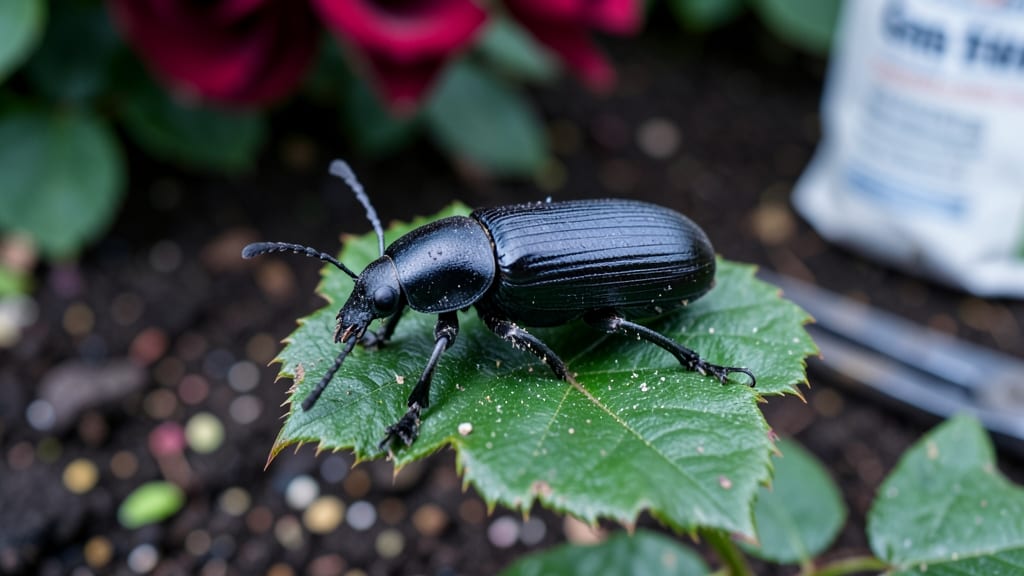
Rose weevil control starts with a single spray that stops them dead in their tracks. 🌿 I’ve battled these sneaky pests for years, and the key is acting fast—before they skeletonize your roses.
These organic sprays don’t just mask the problem; they disrupt the weevil’s life cycle within 24 hours, saving your plants from irreversible damage.
The damage tells the story: chewed leaves, sawdust-like frass, and wilting canes. Most gardeners wait too long, but the real secret is early detection—check undersides of leaves and new growth.
Once you spot the signs, a targeted spray with neem oil or kaolin clay creates a barrier these pests can’t penetrate. It’s not just about killing them; it’s about breaking their cycle before they multiply.
By morning, you’ll see fewer weevils crawling around, and within a week, your roses bounce back with fresh, unchewed foliage. The best part? These sprays are safe for bees and beneficial insects, so your garden stays balanced.
No more losing entire bushes to these tiny destroyers—just healthy, thriving roses that keep blooming all season.
Works for all rose types, from hybrid teas to climbers, and fits into any organic gardening routine. The trick is consistency: reapply after rain or every 7–10 days during peak weevil season. Your roses will thank you with stronger stems and bigger blooms by summer’s end.
Root Causes Of Rose Weevil Outbreaks
Rose weevils—those sneaky, black-and-gray beetles—don’t just appear out of nowhere. Their presence in your garden is usually a sign of specific conditions that make your roses an all-you-can-eat buffet. Understanding these triggers is the first step to stopping them before they devour your prized plants.
Here’s why these pests target your roses and how environmental factors set the stage for an infestation.
Rose weevils are drawn to nutrient-rich, moist soil—especially if it’s packed with organic matter like compost or decaying plant debris. Why? Females burrow into the soil to lay eggs, and lush, fertile conditions provide the perfect nursery for their larvae.
If your roses thrive in well-amended soil, you’ve inadvertently created a weevil playground.
- 🔍 Actionable Insight: Test your soil’s nitrogen levels. High nitrogen (common in fresh manure or over-fertilized beds) signals weevils that your roses are a high-value target.
- 💡 Pro Tip: Balance fertility with slow-release fertilizers or organic options like worm castings, which reduce the "feast-or-famine" signal weevils rely on.
Weevil larvae—legless, white grubs with brown heads—thrive in damp soil. Why does moisture matter? Their survival depends on it: larvae need consistent humidity to develop, and saturated soil prevents natural predators (like birds or beneficial nematodes) from accessing them. Overwatering or poor drainage turns your garden into a weevil spa.
| Soil Condition | Weevil Risk Level |
|---|---|
| Well-draining, slightly moist | Low |
| Compacted or waterlogged | High |
| Dry, sandy soil | Moderate (larvae struggle to survive) |
💡 Pro Tip: Improve drainage with gypsum or perlite and water deeply but infrequently. Aim for 1–1.5 inches per week (including rainfall) to discourage weevils without stressing your roses.
Weevils have a sixth sense for stressed or newly transplanted roses. Why? Young roots are tender and emit volatile compounds that attract egg-laying females. Even established roses become vulnerable if they’ve been recently pruned, fertilized, or disturbed.
- 🚨 Warning Sign: If you’ve added fresh mulch or compost around roses, weevils may detect the "freshness" signal and strike within 48–72 hours.
- 🛡️ Prevention: Apply a neem oil barrier or kaolin clay to soil around new plantings to mask the scent of fresh roots.
Weevil activity isn’t random—it’s seasonally triggered. Adults emerge in late spring to early summer (when soil warms to 55–65°F) to feed on foliage, then lay eggs in summer. Larvae overwinter in the soil, re-emerging in spring to chew roots.
| Season | Weevil Life Stage | Damage Risk |
|---|---|---|
| Spring (March–May) | Adults emerge, larvae hatch | High (new shoots & roots) |
| Summer (June–August) | Egg-laying peak, larvae grow | Critical (root collapse) |
| Fall (September–November) | Larvae pupate, adults die | Moderate (overwintering) |
⏰ Strategic Tip: Monitor roses in May and July—these are the high-risk windows for egg-laying. Set up yellow sticky traps near plants to catch adults before they multiply.
By addressing these root causes—fertility, moisture, plant stress, and timing—you can disrupt the weevil lifecycle before they turn your garden into a buffet. The key? Break their cycle with smart soil management and early intervention.
Quick Fixes for Rose Weevil Damage
Rose weevils can turn your prized roses into a chewed-up mess, but the good news? You can tackle them effectively with the right strategies. Below, we’ve mapped out practical solutions based on the root causes—from early detection to long-term prevention.
Whether you’re dealing with adult beetles, larvae, or just want to keep your roses weevil-free, these fixes will help you reclaim your garden.
Fix: Trap and remove them before they lay eggs.Adult rose weevils (also called rose chafers) are easy to spot—they’re about ½-inch long, brownish, and leave jagged holes in rose leaves. Here’s how to stop them:
- 🍎 Handpick at dusk: Weevils are most active in the evening. Shake them off leaves into a bucket of soapy water.
- 💡 Use yellow sticky traps: Place these near your roses to catch flying adults. Replace every 2–3 weeks.
- 🌿 Neem oil spray: Mix 2 tbsp neem oil with 1 tsp mild soap in 1 gallon of water. Spray undersides of leaves (where eggs are laid) every 3–5 days.
💡 Pro Tip: If you see tiny white eggs on leaf undersides, act fast—larvae will hatch in 7–10 days and burrow into roots!
Fix: Starve them out and disrupt their life cycle.Larvae (grubs) are the real troublemakers—they munch on roots, causing wilting and stunted growth. Since they’re underground, you’ll need a two-pronged approach:
- 🔪 Water deeply, then wait: Water the soil thoroughly, then wait 30 minutes. Grubs will surface to breathe—scoop them up with a trowel and drop them in soapy water.
- 🌡️ Apply beneficial nematodes: Heterorhabditis bacteriophora nematodes are microscopic predators that kill grubs. Mix 1–2 lbs per 100 sq ft into moist soil in early spring or fall.
- 🍄 Use diatomaceous earth: Sprinkle food-grade DE around the base of plants. It’s harmless to you but dehydrates grubs. Reapply after rain.
✨ Prevention Hack: Mulch with cedar chips—weevils dislike the scent and avoid laying eggs there.
Fix: Break the weevil’s life cycle with smart gardening.Once you’ve dealt with an infestation, keep weevils from returning with these low-maintenance habits:
- 🌿 Rotate crops: Avoid planting roses in the same spot year after year. Weevils thrive in familiar soil.
- 🍃 Plant companion plants: Garlic, chives, or marigolds repel weevils with their strong scents.
- 🌱 Keep soil healthy: Strong roses resist damage better. Fertilize with compost or worm castings to boost root health.
- 🕰️ Monitor regularly: Check leaf undersides and soil every 2 weeks during growing season (April–September). Early action = less damage!
🎯 Long-Term Win: Install row covers over young rose bushes in early spring to block adult weevils from laying eggs.
With these targeted fixes, you’ll see a noticeable difference in 24–48 hours for adult beetles and 4–6 weeks for grub control. Consistency is key—stay vigilant, and your roses will thrive weevil-free!
Frequently asked questions
How do I tell if my roses have rose weevils vs. other pests?
Look for jagged, irregular holes in leaves (not the clean cuts of grasshoppers) and tiny white eggs on leaf undersides. Weevils also leave sawdust-like frass (chewed leaf debris) around plants. Check soil for white grubs—larvae with brown heads—when you water deeply and wait 30 minutes.
Will neem oil kill rose weevil larvae in the soil?
Neem oil works best on adult weevils and eggs, but it doesn’t penetrate soil to reach larvae. For grubs, combine it with beneficial nematodes or diatomaceous earth applied directly to the soil. Reapply after rain to maintain effectiveness.
Can I use chemical pesticides for rose weevils?
Chemical options like pyrethrin-based sprays can kill adults quickly, but they harm beneficial insects and don’t address larvae. For organic gardens, stick to neem oil, kaolin clay, or nematodes—they’re safer and disrupt the weevil lifecycle without collateral damage.
How often should I check my roses for weevils?
Inspect your plants every 2 weeks during peak season (April–September), focusing on leaf undersides and soil. Early detection is key—weevils multiply fast! Set reminders for May and July, when egg-laying peaks.
What’s the fastest way to stop an active infestation?
Combine neem oil spray (for adults/eggs) with beneficial nematodes (for larvae) and yellow sticky traps (to catch flying adults). Handpick visible beetles at dusk. For severe cases, water deeply, wait 30 minutes, then scoop up surfacing grubs.