
Companion Plants
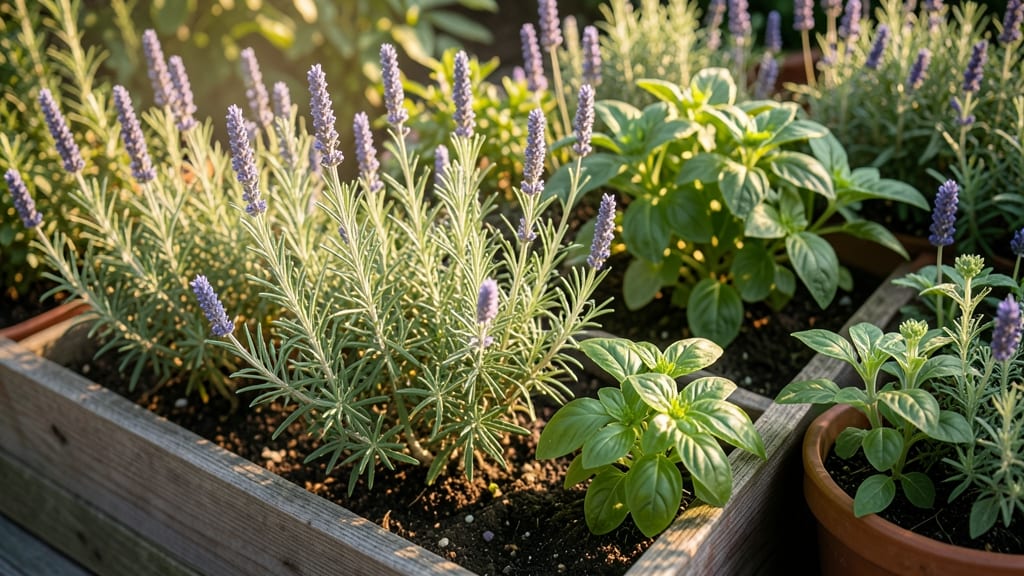
Rosemary and lavender aren’t just fragrant companions—they’re a powerhouse duo that deters pests while enhancing your garden’s beauty. These 10 natural pairings prove how their combined scent and growth habits create a thriving, pest-resistant outdoor space.
Rosemary Lavender Herb Spiral Garden
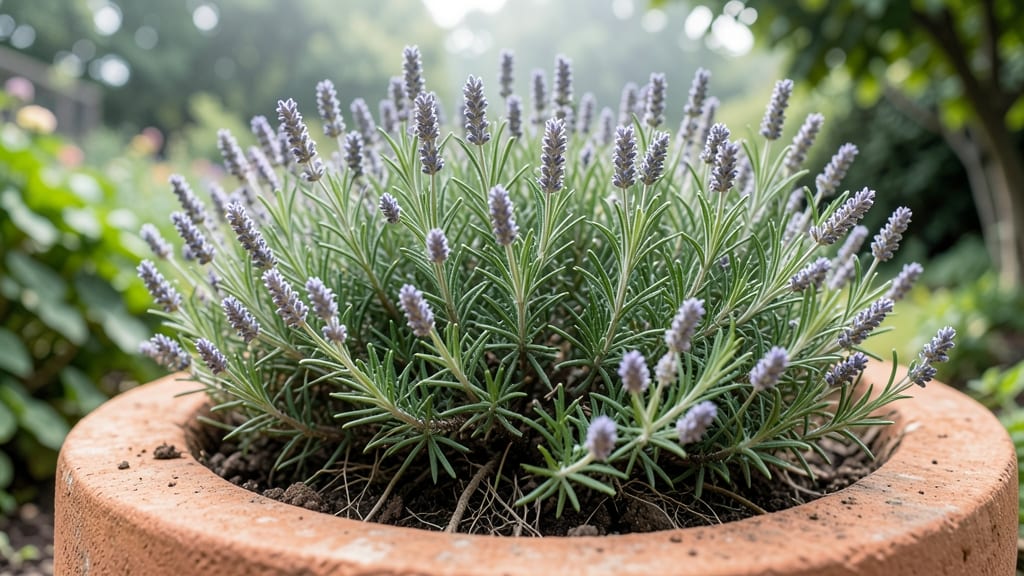
Transform even the tiniest outdoor space into a fragrant, pest-repelling oasis with a rosemary lavender herb spiral—a vertical garden design that grows upward in a circular pattern. This clever arrangement lets you grow both herbs in a compact footprint while creating a natural barrier that deters mosquitoes, aphids, and even carrot flies.
Start by creating a spiral mound of soil (about 3 feet wide) using layers of compost, sand, and topsoil. Plant upright rosemary at the center, where it can reach for sunlight, and tuck trailing lavender along the outer edges. Both thrive in full sun (6+ hours daily) and well-draining soil, making them perfect for urban balconies or patios. The spiral’s height also lifts plants above ground-level pests while maximizing airflow.
Urban gardeners and renters will love this space-saving solution—no square footage wasted! Plus, the combined scent of rosemary and lavender creates a sensory experience that’s as rewarding as it is functional. 🌿
Lavender Rosemary Border Around Vegetables
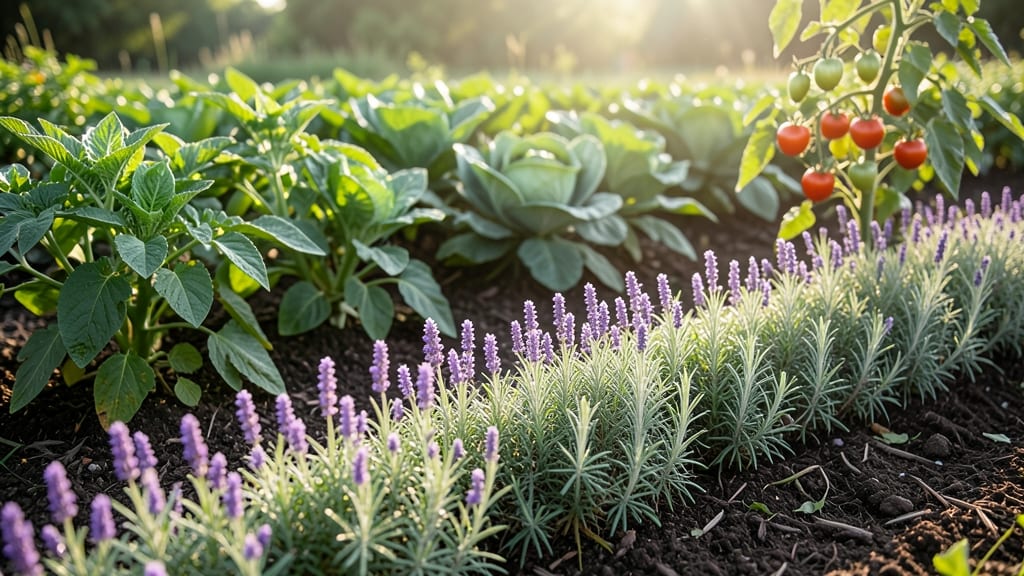
Want to slash pests from your vegetable garden without chemicals? A lavender-rosemary border around your tomato, pepper, or cabbage beds is your secret weapon. These fragrant herbs create a natural barrier that repels cabbage moths and aphids while luring in pollinators like bees and butterflies.
Plant lavender (with its silvery foliage and purple blooms) every 12-18 inches along the edge, then tuck upright rosemary (preferably the 'Arp' or 'Hill Hardy' varieties) in between. Both thrive in full sun and well-drained soil, making them perfect for vegetable beds. The rosemary’s woody stems add structure, while lavender’s scent confuses pests and keeps them away from your crops.
This combo is especially valuable for organic gardeners who want to reduce pesticide use while boosting biodiversity. Plus, the fragrant border adds a polished, Mediterranean touch to your veggie patch. 🌿
Dwarf Rosemary and Lavender Hanging Baskets
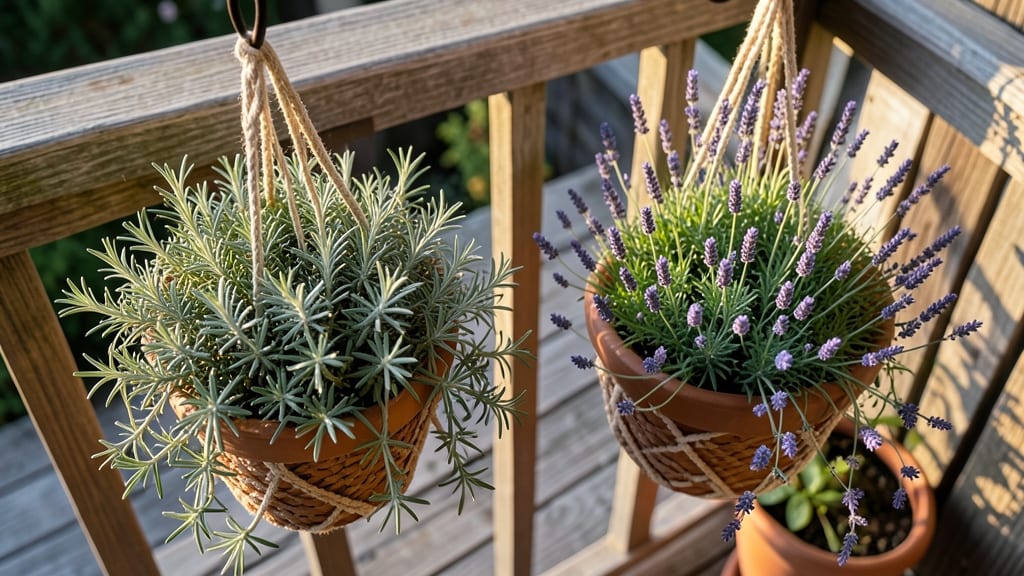
Transform your balcony or porch into a fragrant oasis with dwarf rosemary and lavender in hanging baskets. These compact varieties are perfect for small spaces, offering the same pest-repelling benefits and aromatic charm without the bulk of full-size plants.
Choose dwarf rosemary like 'Blue Spires' or 'Prostratus' and lavender varieties such as 'Hidcote' or 'Munstead' for a harmonious mix that thrives in 6 hours of sun daily. Use well-draining potting soil and ensure baskets have drainage holes to prevent root rot. Water when the top inch of soil feels dry, and prune lightly after flowering to encourage bushier growth.
This setup is ideal for renters, urban dwellers, or anyone with limited garden space. The cascading foliage adds vertical interest while keeping pests like mosquitoes and aphids at bay. 🌿
Rosemary Lavender Companion for Fruit Trees
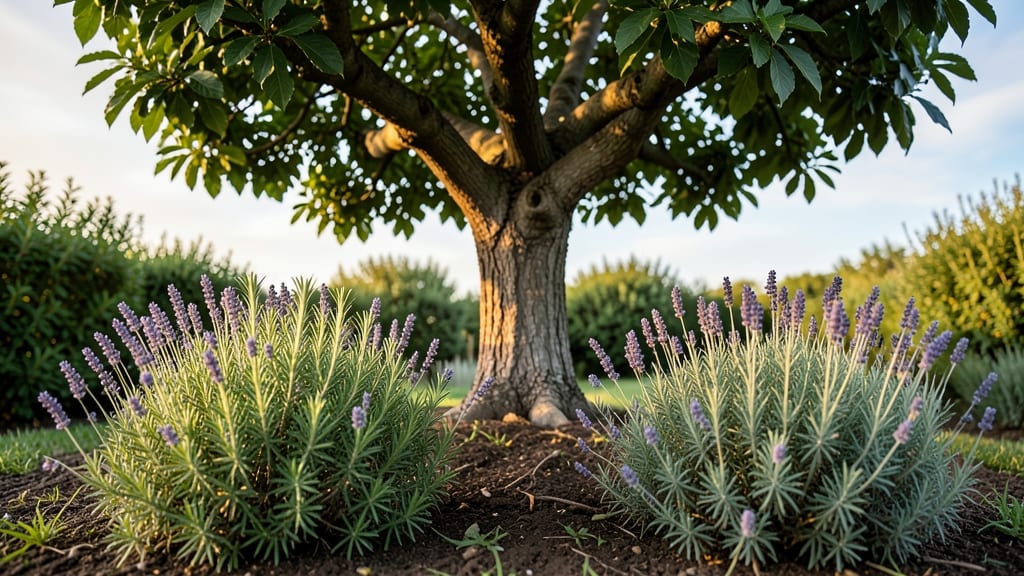
If your fruit trees are struggling with pests like fruit flies or ants, a strategic planting of rosemary and lavender at their base could be the natural solution you’ve been looking for. This fragrant duo doesn’t just deter unwanted visitors—it also improves soil aeration and health with their deep, complementary root systems.
Plant rosemary (which thrives in well-drained soil) and lavender (drought-tolerant once established) in a loose circle about 2-3 feet from the tree’s trunk. Their strong scents confuse fruit flies and repel ants, while their roots help break up compacted soil. For apple or pear trees, this combo also attracts beneficial predatory wasps that keep pest populations in check.
Fruit tree owners—especially those with citrus groves or small orchards—will love this low-maintenance, high-reward approach. Just avoid overwatering lavender, and you’ll have a thriving, pest-resistant understory. 🌱
Lavender Rosemary Ground Cover Mix
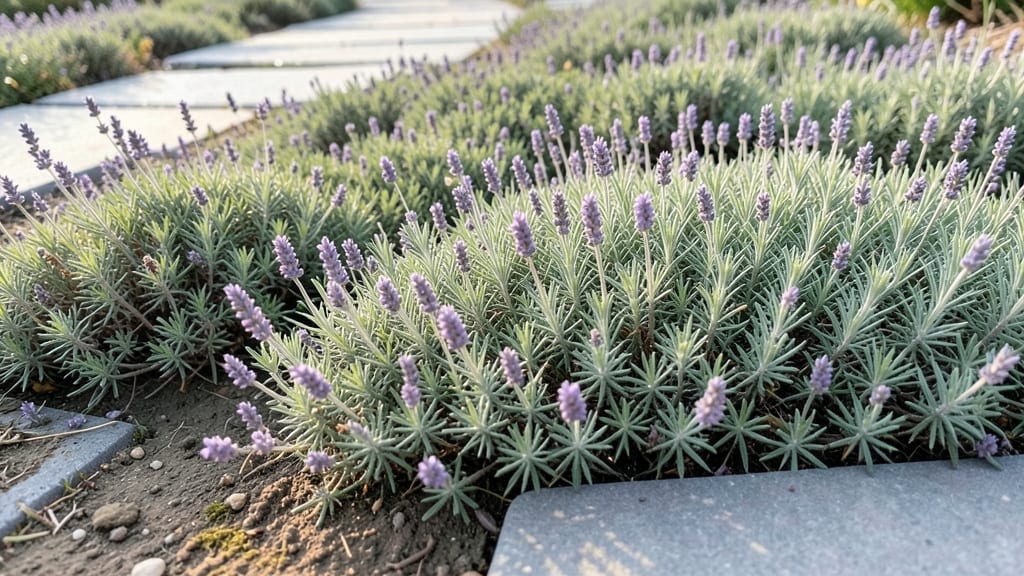
Tired of patchy mulch and weeds stealing the spotlight between stepping stones? A lavender rosemary ground cover mix transforms bare soil into a fragrant, low-maintenance carpet that outcompetes weeds naturally. These dwarf varieties grow just 6-12 inches tall, perfect for tucking between pavers, under shrubs, or along garden edges.
For best results, plant English lavender ('Hidcote' or 'Munstead') alongside Prostratus rosemary—both thrive in full sun and well-drained soil. Space them 9-12 inches apart to allow airflow and prevent fungal issues. The combination releases natural oils that deter pests like carrot flies while attracting pollinators with their sweet fragrance.
This living ground cover is ideal for gardeners who want beauty without the upkeep of traditional mulch. It’s especially great for drought-prone areas since both plants are water-wise once established. 🌿
Rosemary Lavender Pollinator-Friendly Meadow
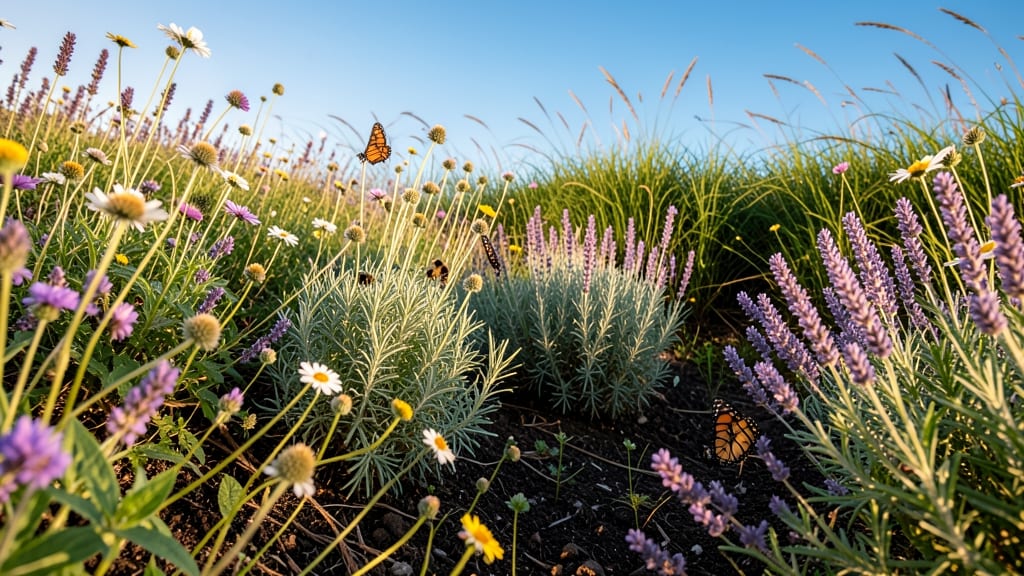
Transform a corner of your garden into a buzzing haven with a rosemary lavender pollinator-friendly meadow. This isn’t just a pretty patch—it’s a dynamic ecosystem that supports bees, butterflies, and beneficial insects while keeping mosquitoes at bay.
Start by sowing native wildflowers alongside dwarf rosemary and lavender varieties like 'Munstead' or 'Hidcote'. The combination creates a fragrant, low-maintenance space that thrives in full sun with minimal watering once established. For extra impact, add clumps of bee balm or coneflowers to extend the blooming season from spring to fall.
This design is ideal for eco-conscious gardeners who want to reduce chemical use while creating a wildlife-friendly space. The natural fragrance of rosemary and lavender doubles as a mosquito deterrent, making outdoor evenings more enjoyable. 🌿
Lavender Rosemary Container Mix for Patios
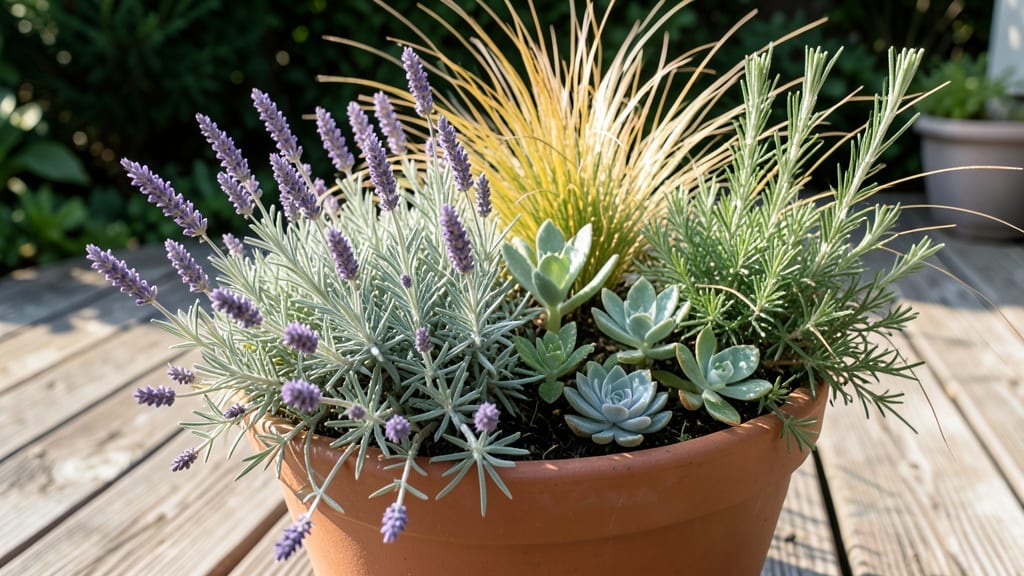
Transform your patio into a fragrant, pest-repelling oasis with a lavender and rosemary container mix paired with ornamental grasses or succulents. This trio thrives in sunny spots, requiring minimal care while keeping unwanted insects at bay—ideal for renters or small-space gardeners.
Start with a 12-14 inch pot for each plant, ensuring well-draining soil to prevent root rot. Place lavender (like 'Munstead' or 'Grosso') at the center for height, flank it with upright rosemary (such as 'Arp' or 'Hill Hardy'), and tuck dwarf ornamental grasses (like 'Little Sprite' fountain grass) or sedum succulents around the edges. Water deeply once a week, letting the soil dry slightly between waterings.
This combo is perfect for urban balconies or cozy patios, offering year-round beauty with seasonal blooms and evergreen foliage. The aromatic duo naturally deters mosquitoes and aphids, making it a low-maintenance, high-reward choice for any outdoor space. 🌿
Rosemary Lavender Companion for Roses
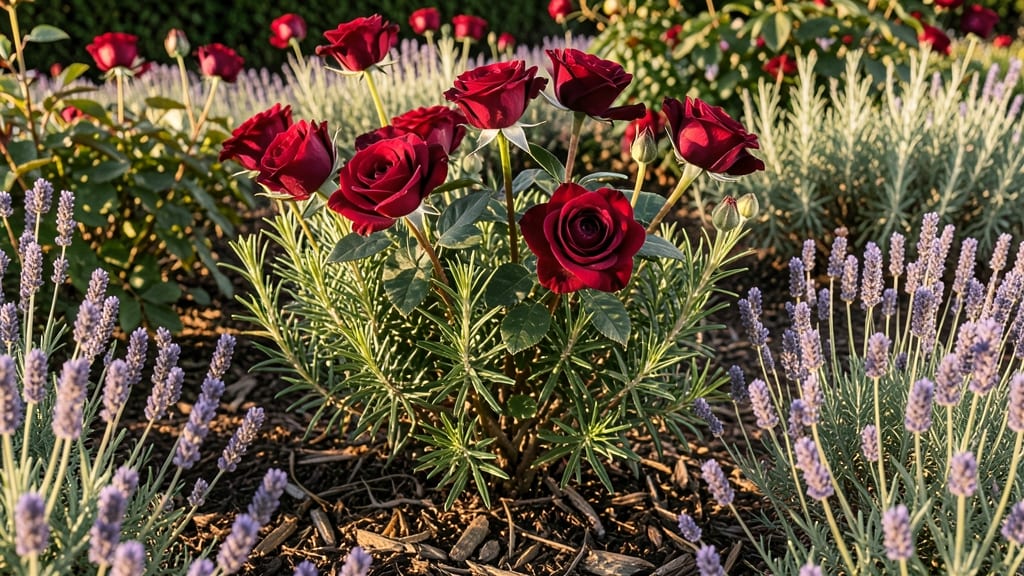
Transform your rose garden into a fragrant fortress by planting rosemary and lavender nearby—this classic trio naturally deters aphids and Japanese beetles while amplifying your roses' signature scent. The strong aroma of these herbs confuses pests, giving your roses a fighting chance without harsh chemicals.
Position rosemary 18-24 inches from rose canes to maximize pest-repelling benefits, while lavender can be planted 12-18 inches away for optimal fragrance spread. Both thrive in full sun (6+ hours daily) and well-drained soil, making them perfect companions for cottage-style gardens with their romantic, old-world charm.
This pairing is especially rewarding for rose enthusiasts who want to reduce pesticide use while creating a multi-sensory garden experience. The result? Healthier roses with fewer pests and a heavenly aroma that lingers through summer evenings. 🌷
Lavender Rosemary Edging for Flower Beds
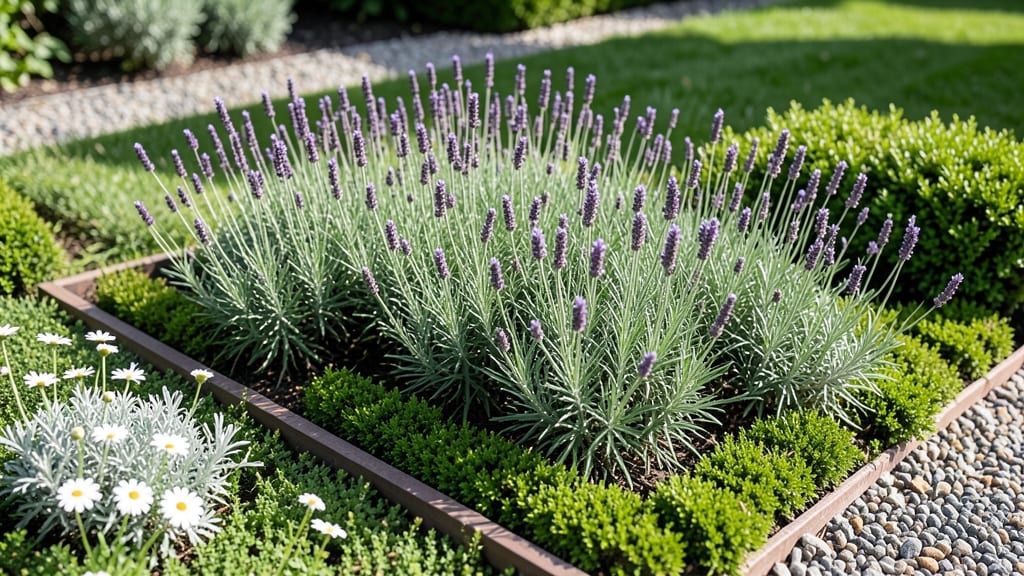
Transform your formal garden beds into a fragrant, pest-free masterpiece with a lavender-rosemary edging—the ultimate low-maintenance border that doubles as a natural insect repellent. This tidy, structured approach creates crisp lines while keeping carrot flies and cabbage worms at bay, making it ideal for geometric or traditional layouts.
Plant lavender along the outer edge for its striking purple blooms and upright rosemary just inside for height contrast. Space them 12-18 inches apart to allow airflow and prevent overcrowding. Prune both herbs lightly after flowering to maintain their neat shape and encourage bushier growth. The combination thrives in full sun and well-draining soil, making it perfect for Mediterranean-style gardens.
Gardeners who love structured designs will appreciate how this edging elevates flower beds while requiring minimal upkeep. It’s especially effective for formal gardens where clean lines and pest control are priorities. ✨
Rosemary Lavender Companion for Herbs

Your kitchen herb garden just got an upgrade—rosemary and lavender planted alongside basil, thyme, or oregano create a fragrant, self-defending culinary oasis. The strong scents of these woody herbs naturally repel slugs and snails, while their upright growth habits prevent shade from smothering your delicate basil leaves.
For best results, position rosemary and lavender at the outer edges of your herb bed, where their roots can spread without competing with shallow-rooted herbs. The lavender’s purple blooms add visual contrast to thyme’s silver foliage, while rosemary’s pine-like scent enhances the flavor of nearby basil. This combo works especially well in well-draining soil with 6+ hours of sun daily—perfect for sunny windowsills or raised beds.
Herb gardeners will love how this pairing simplifies maintenance while boosting harvest quality. The natural pest control means fewer chemical interventions, and the aromatic trio creates a sensory experience that invites you to cook with fresh ingredients straight from your garden. 🌿