
Planting
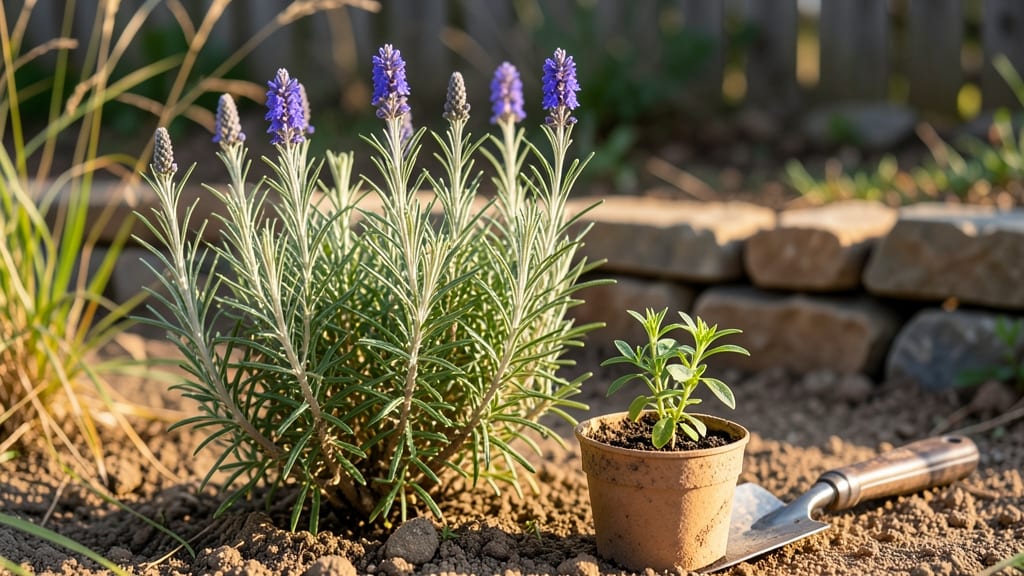
The best place to plant rosemary isn't just sunny—it’s dry, well-drained, and sheltered from winter winds. 🌞 I’ve learned the hard way that rosemary thrives in spots mimicking its Mediterranean roots, where it grows wild on rocky hillsides. Too much moisture or shade?
Forget it—rosemary bolts faster than a rabbit in a garden gate. For ground planting, choose a south-facing slope or raised bed to ensure good drainage. In containers, terracotta pots with drainage holes work best—rosemary hates soggy feet.
Space plants 18-24 inches apart to prevent competition, and group them with lavender or thyme for a fragrant, drought-tolerant display. You’ll know you’ve nailed it when your rosemary stays woody and aromatic year-round, not floppy and leggy.
The secret? Full sun (6+ hours daily) and soil that feels like a desert after a light rain—not swampy. Even in colder zones, a sheltered spot keeps rosemary alive through winter.
Containers let you move plants indoors before frost, while ground-planted rosemary in Zone 7+ often survives winter with a thick mulch. Just avoid heavy clay soil—rosemary despises it more than a cat despises water.
📚 In This Guide
- What you need
- Instructions
- Tips and common mistakes
- Wrapping up and next steps
What you need
- ● Rosemary plants: 1–3 healthy nursery-grown plants (upright or trailing varieties) or 6–12 cuttings (4–6 inches long, with nodes).
- ● Well-draining potting mix: 5–10 gallons (for containers) or amended garden soil (mix 2 parts native soil + 1 part coarse sand or perlite).
- ● Containers (if not planting in-ground): 1–3 pots (12–18 inches deep, with drainage holes).
- ○ Optional: Self-watering pots for low-maintenance care.
- ● Fertilizer: Balanced organic fertilizer (10-10-10 or 5-5-5) or slow-release granules (sprinkle lightly at planting).
- ● Mulch: 1–2 inches of gravel, pebbles, or pine straw (to retain moisture and deter weeds).
- ● Pruning shears: Sharp, clean pair (sterilize with rubbing alcohol between plants).
- ● Gloves: Gardening gloves (to protect hands from prickly stems).
- ● Drip irrigation or soaker hose: For consistent watering, especially in hot climates.
- ● Plant markers: Labels to track varieties (e.g., "Prostratus" for trailing rosemary).
- ● Epsom salt: 1 tablespoon per plant (occasional boost for magnesium).
- ● Shade cloth: Lightweight fabric (30–50% coverage) for seedlings in intense afternoon sun.
- ● Compost: Aged compost (1 cup per plant) for nutrient-rich soil.
- ● Sunlight: At least 6–8 hours of direct sun daily (full sun is ideal).
- ● Climate: Hardy in USDA Zones 7–10; protect from frost (<32°F) with containers or mulch.
- ● Soil pH: Slightly alkaline to neutral (6.0–7.0). Test soil with a kit if unsure.
- ● Water access: Drought-tolerant once established, but keep soil moist for the first 2–3 weeks.
Instructions for planting rosemary in its ideal location
Here’s how to give rosemary the sun-drenched, well-draining spot it craves for maximum flavor and vigor.
☀️ Step 1: Choose the Sunniest Spot Available
Rosemary demands full sun—at least 6-8 hours of direct sunlight daily—to thrive. A south-facing exposure delivers the most intense light, but even a west-facing spot works if it gets 6+ hours. I’ve planted rosemary in east-facing beds too, but the growth is slower and the flavor less potent.
Watch for microclimates in your yard—areas near walls or fences can trap heat and provide extra warmth. If your garden gets harsh afternoon sun, plant rosemary near a structure that offers partial afternoon shade to prevent leaf scorch. You’ll know it’s in the right spot when the plant grows upright and bushy rather than leggy or stretched.
🪴 Step 2: Select Well-Draining Soil in a Slightly Elevated Area
Rosemary roots rot quickly in soggy soil, so avoid low-lying or waterlogged spots. Instead, choose a slightly elevated area or mound where water drains away fast. If your soil is heavy clay, amend it with coarse sand or gravel to improve drainage—rosemary tolerates poor soil better than it tolerates wet feet.
Test the soil by digging a 6-inch hole and filling it with water. If it drains completely within 10-15 minutes, it’s ideal. If water pools after an hour, the spot needs amending. I often plant rosemary in raised beds or large containers to ensure perfect drainage, especially in rainy climates.
🌱 Step 3: Plant at the Correct Depth and Spacing
Dig a hole twice as wide as the rosemary’s root ball but no deeper—planting too deep suffocates the stem and encourages rot. Gently loosen the roots if they’re circling the pot, then place the plant so the top of the root ball sits level with the soil surface. Firm the soil around the base lightly to eliminate air pockets.
Space plants 3-4 feet apart to allow airflow and prevent fungal diseases. Rosemary grows slowly but spreads over time, so give it room to mature without crowding. If planting in containers, use pots at least 12 inches deep and wide—smaller containers restrict root growth and lead to stunted plants.
✂️ Step 4: Prune and Mulch for Long-Term Success
After planting, trim back one-third of the plant’s length to encourage bushier growth. Focus on cutting just above a leaf node (the bump where leaves meet the stem) to promote branching. Avoid shearing the tips—this makes rosemary grow leggy and sparse.
Apply a 2-inch layer of gravel or coarse mulch around the base to deter weeds and improve drainage. Avoid organic mulches like wood chips, as they decompose and compact over time, smothering rosemary’s roots. Water deeply once after planting, then let the soil dry completely before watering again—rosemary is drought-tolerant once established.
🌿 Step 5: Monitor and Adjust for Seasonal Changes
In hot climates, rosemary may go dormant in summer to conserve water. Reduce watering to once every 2-3 weeks unless the soil is bone-dry. In colder regions, protect plants from frost by mulching heavily or moving container-grown rosemary indoors before temperatures drop below 20°F.
Watch for yellowing leaves—a sign of overwatering or poor drainage. If this happens, trim affected foliage and adjust your watering schedule. Healthy rosemary has silvery-green, fragrant leaves and a woody, upright stem. With the right spot, your rosemary will reward you with bold flavor and lush growth for years.
Tips & tricks for perfect rosemary planting
Here's what nobody tells you about giving rosemary the ideal conditions it craves for maximum flavor and vigor.
Sunlight Strategy: While the instructions call for 6-8 hours of direct sunlight, I've found that rosemary actually thrives with morning sun and afternoon shade in hot climates. The key is to avoid the harshest afternoon rays that can scorch leaves. If you're in a particularly sunny area, consider planting near a west-facing wall that provides natural afternoon shade—this creates a microclimate that's perfect for rosemary. The plant will tell you when it's happy: look for that upright, bushy growth rather than leggy stems reaching for light.
Drainage Hack: The 10-15 minute drainage test in Step 2 is your best friend, but I've learned to go one step further. If your soil passes the test but you're in a rainy climate, create a 1-inch gravel layer at the bottom of your planting hole before adding amended soil. This extra layer acts as a drainage buffer, preventing water from pooling around the roots. For container growing, use pots with drainage holes and add a layer of perlite or coarse sand at the bottom before your planting mix.
Pruning Precision: When you trim back one-third of the plant's length in Step 4, focus on cutting just above leaf nodes—but here's the secret: make these cuts at a 45-degree angle. This angled cut creates more surface area for new growth to emerge, resulting in bushier plants. I also recommend using clean, sharp pruners to avoid crushing stems, which can invite disease. And here's a pro move: save your pruned rosemary stems in the freezer—they make excellent aromatics for soups and stews later!
Seasonal Survival: That 20°F frost protection threshold is crucial, but I've discovered rosemary can handle slightly colder temperatures if you prepare it properly. In regions where temperatures dip to 15-20°F, wrap the container or mound with burlap or frost cloth before moving it indoors. The key is to protect the plant from wind chill while still allowing some light exposure. And for summer dormancy, don't be tempted to water more frequently—rosemary actually benefits from this dry period, which intensifies its flavor when you do harvest.
Pro Tips for Best Place To Plant Rosemary
- Here's what nobody tells you about giving rosemary the ideal conditions it craves for maximum flavor and vigor.
- Sunlight Strategy: While the instructions call for 6-8 hours of direct sunlight, I've found that rosemary actually thrives with morning sun and afternoon shade in hot climates.
- Drainage Hack: The 10-15 minute drainage test in Step 2 is your best friend, but I've learned to go one step further.
Frequently asked questions
Got questions about planting rosemary? You’re not alone! Here are some of the most common queries—and their expert answers—to help you grow the perfect rosemary plant.
Can rosemary grow in pots or containers?
Rosemary thrives in containers, making it ideal for patios, balconies, or kitchens. Just use a pot with drainage holes, well-draining soil, and ensure it gets at least 6 hours of sunlight daily. Opt for a wider (not deeper) pot to prevent root rot.
When is the best time to plant rosemary?
Plant rosemary in early spring or late fall when temperatures are mild (between 50–75°F). Avoid extreme heat or frost, as rosemary is sensitive to cold. If planting in summer, water deeply and mulch to retain moisture.
How often should I water rosemary?
Rosemary is drought-tolerant once established—water only when the top inch of soil feels dry. Overwatering is the #1 killer! In pots, check soil moisture daily in hot weather. Drainage is key: Yellowing leaves often mean too much water.
Can rosemary grow indoors near a kitchen window?
Yes! A south- or west-facing window with 4+ hours of sunlight works, but supplement with a grow light if needed. Keep it near a vent (rosemary loves airflow) and avoid cold drafts. Prune regularly to encourage bushiness.
Will rosemary survive winter outdoors?
Hardy rosemary (USDA Zones 7–10) can handle light frost, but heavy freezes may kill it. In colder climates, mulch heavily or move pots indoors. Trim back dead growth in spring. Pro tip: Upright varieties handle cold better than trailing types.
What if my rosemary turns yellow or droops?
Yellow leaves? Likely overwatering or poor drainage. Brown tips? Underwatering or low humidity. Drooping? Check for root rot or pests (like spider mites). Adjust care and repot if soil is soggy. Prune affected stems to encourage new growth.
Wrapping up and next steps
Finding the perfect spot for your rosemary is all about embracing its sunny, well-drained nature—whether in a cozy container or sunny garden bed. With the right soil, sunlight, and a little care, you’ll be rewarded with lush, fragrant growth that’s perfect for cooking or landscaping. 🌿
Now that you’re armed with the best place to plant rosemary, grab your gloves and get growing! Start small—try a single plant in a pot or a small patch in your garden—and watch it thrive. Happy planting! 🌞