
Pruning
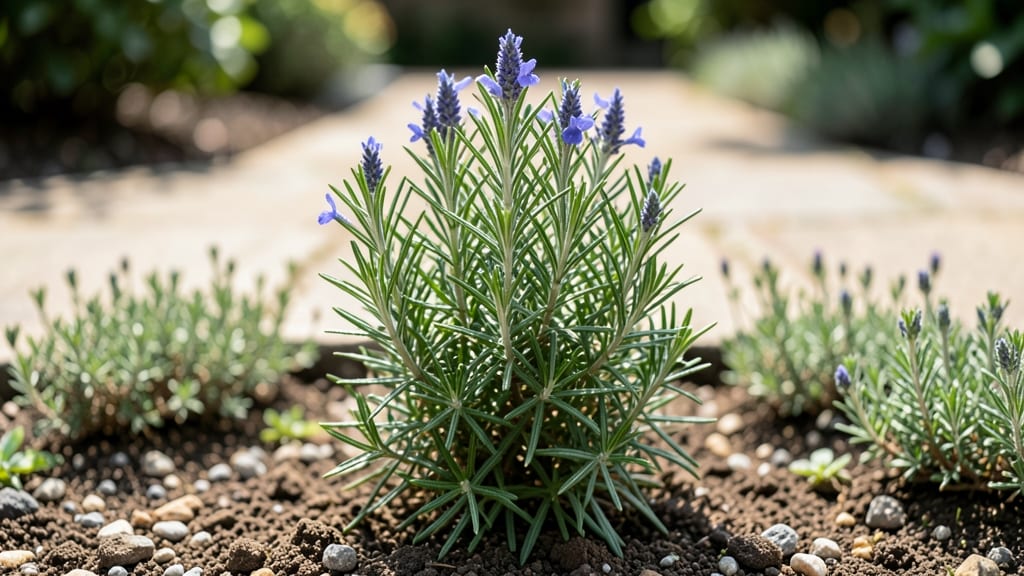
Transforming rosemary into a fragrant cone tree is the easiest way to add texture, scent, and structure to any garden. 🌿 I first tried it after struggling with bare winter beds—this evergreen shrub stays lush year-round, with needle-like leaves that smell like a Mediterranean vacation whenever you brush against them.
The secret lies in strategic pruning: shape it like a Christmas tree by pinching back new growth at the tips, then trimming the sides to create that perfect cone silhouette.
Drought-tolerant once established, it thrives in full sun and well-draining soil, making it perfect for rocky slopes or containers where other plants would struggle. By late spring, you'll have a 3-foot-tall fragrant centerpiece that doubles as a pollinator magnet.
The scent alone makes it worth the effort—imagine walking past and catching that fresh, piney aroma wafting through the air. Works equally well as a standalone specimen, mixed in herb borders, or even as a fragrant hedge. Here's how to shape yours without sacrificing those aromatic leaves!"
📚 In This Guide
- What you need
- Instructions
- Tips and common mistakes
- Wrapping up and next steps
What you need
- ● Fresh rosemary sprigs: 10–15 healthy, woody stems (3–6 inches long, with lush green foliage). Opt for Rosmarinus officinalis for best results!
- ● Floral foam (or moss): 1 block (size depends on your cone—standard 12" x 6" x 4" works for a medium tree).
- ● Wire or fishing line: 18–24 inches of thin, flexible wire (18–20 gauge) or floral wire.
- ● Scissors or pruning shears: Sharp, clean tools to trim stems neatly.
- ○ Decorative cone base: A sturdy cone (foam, wood, or metal—10–12 inches tall). Optional: Spray-paint it for a polished look!
- ● Spray bottle: Lightly mist rosemary to keep it fresh longer.
- ○ Hot glue gun (optional): For securing wire or stems if needed.
- ● Ribbon or twine: To wrap the base and add a festive touch.
- ○ Pruning spray (optional): A light coat of floral preservative to extend freshness.
Step-by-Step instructions for crafting a rosemary cone tree
Here's how to create a fragrant, living centerpiece that thrives year-round with minimal effort.
🪴 Step 1: Select and Prepare Your Rosemary Plants
Start with four healthy rosemary plants—each should have woody stems about 12 inches tall and multiple branches. I always choose plants with thick, silvery-green foliage because they're more resilient. Trim any leggy growth back by one-third to encourage bushier growth before shaping.
Remove the plants from their pots and gently loosen the roots if they're root-bound. This prevents transplant shock later. Place them in a large container (at least 12 inches deep) filled with well-draining potting mix. I use a mix of 50% potting soil, 30% perlite, and 20% coarse sand to prevent waterlogging, which rosemary hates.
✂️ Step 2: Shape the Base for Stability
Arrange the four plants in a square formation, spacing them 6 inches apart at the base. The goal is to create a pyramid shape that gets narrower as it rises. Use twine or soft garden wire to loosely tie the stems together at the base, about 3 inches up from the soil. This keeps the structure stable while allowing room for new growth.
Trim the bottom 2-3 inches of each stem at a 45-degree angle to encourage rooting where the stems touch the soil. This is called air-layering, and it creates a stronger base. Water the plants deeply after trimming to help them recover and settle into their new formation.
☀️ Step 3: Train and Trim for the Cone Shape
After 4-6 weeks, when the plants have adjusted, start shaping them into a cone. Use clean, sharp pruning shears to trim the outer branches of each plant, cutting just above a set of leaves where new growth will sprout. This ensures the plant doesn’t get woody and bare at the top.
Focus on three main tiers: the base (widest), the middle (medium), and the top (narrowest). You’ll want the top to be about half the width of the base. Trim any branches that grow outward too aggressively—rosemary grows best when pruned to encourage inward growth. This is the moment that matters: patience here ensures your cone stays lush and full.
💧 Step 4: Maintain Water, Light, and Pruning
Place your rosemary cone tree in a spot with full sun (6+ hours daily)—a south-facing window or outdoor patio works best. Water only when the top inch of soil feels dry, but never let it sit in soggy soil. Overwatering is the fastest way to kill rosemary. I use a self-watering pot to keep moisture consistent without drowning the roots.
Every 2-3 months, give the tree a light trim to maintain its shape. Focus on removing any dead or yellowing leaves and pruning back any branches that grow too long. This keeps the tree compact and encourages new growth. If you notice leggy growth reaching for the light, it’s a sign the tree needs more sun or a trim to bring branches inward.
⏰ Step 5: Overwintering for Year-Round Growth
In winter, rosemary slows down but doesn’t stop growing entirely. Reduce watering to once every 2-3 weeks unless your home is very dry. Move the tree to a bright, cool spot (50-60°F) if indoor temperatures drop below 55°F. Avoid drafts or heating vents, which can dry out the foliage too quickly.
Give the tree a light trim in early spring to remove any winter damage or leggy growth. This jumpstarts new growth for the season. If you notice any bare spots, prune just above a leaf node to encourage bushier regrowth. With consistent care, your rosemary cone tree will stay fragrant, full, and thriving for years.
Tips & tricks for perfect rosemary cone trees
Transforming rosemary into a stunning cone tree takes patience and precision—but these tricks will help you avoid common pitfalls and create a showstopping centerpiece.
Plant Selection Wisdom: Don't just grab any rosemary plants! Look for ones with thick, woody stems (at least 1/4-inch diameter) and silvery-green foliage that smells intensely aromatic. Avoid plants with yellowing leaves or sparse growth—they won't recover well during the shaping process. I've learned this the hard way after struggling with weak plants that couldn't support the cone shape.
The Air-Layering Secret: When you trim the bottom 2-3 inches at a 45-degree angle in Step 2, you're not just creating a pretty cut—you're encouraging new root growth where the stem touches soil. This creates a stronger base that won't topple. After trimming, gently press these cut stems into the soil (don't bury them) to maximize rooting potential. The deeper the cut angle, the more surface area for roots to form.
Pruning Technique for Fullness: During the 4-6 week shaping phase (Step 3), focus on cutting just above a leaf node where new growth emerges. This ensures you're always pruning at the right spot for bushy regrowth. For the cone shape, trim outer branches first—this forces the plant to grow inward. Think of it like sculpting: you're removing material from the outside to reveal the shape inside.
Winter Care Strategy: When temperatures drop below 55°F in winter, move your rosemary cone to a bright, cool spot (50-60°F) with indirect light. A north-facing window works perfectly. The key is avoiding drafts—rosemary hates sudden temperature swings. If your home is particularly dry, consider adding a humidity tray (pebbles + water) near the plant to prevent browning foliage. This simple adjustment keeps your cone looking fresh all winter.
Pro Tips for Rosemary Cone Tree
- Transforming rosemary into a stunning cone tree takes patience and precision—but these tricks will help you avoid common pitfalls and create a showstopping centerpiece.
- Plant Selection Wisdom: Don't just grab any rosemary plants!
- The Air-Layering Secret: When you trim the bottom 2-3 inches at a 45-degree angle in Step 2, you're not just creating a pretty cut—you're encouraging new root growth where the stem touches soil.
Frequently asked questions
How often should I prune my rosemary cone tree?
Prune your rosemary cone tree 2-3 times a year: once in early spring (to encourage new growth), again after flowering (to maintain shape), and lightly in late summer (to tidy up). Avoid heavy pruning in fall or winter, as rosemary is sensitive to cold and needs time to harden off before dormancy.
Can I prune my rosemary cone tree in winter?
Pruning in winter is not recommended unless you’re in a mild climate (Zone 8+). Cold temperatures stress rosemary, and pruning stimulates growth, which can be fatal if new shoots freeze. If you must prune, do so lightly in late winter (February) and avoid cutting into old wood—focus on shaping, not rejuvenation.
What if my rosemary cone tree looks leggy or woody?
Leggy or woody rosemary is a sign of overgrown stems. To fix it, prune back 1/3 of the oldest stems to the base in early spring. This encourages fresh, bushy growth. For severely woody plants, you can also cut back up to half the plant, but avoid removing more than 30% in one season to prevent shock.
Does pruning affect the rosemary’s flavor or aroma?
Pruning enhances flavor and aroma by promoting new, tender growth—which is when rosemary’s oils (and thus its scent) are most potent. Avoid pruning right before harvest, though! Wait 4-6 weeks after a major trim to let the plant recover and regenerate its essential oils for the best culinary results.
Are there alternatives to rosemary cone trees for small spaces?
If space is limited, consider dwarf rosemary varieties like ‘Blue Spires’ or ‘Prostratus,’ which stay under 2 feet tall. For a similar look without the upkeep, lavender topiaries or compact thyme hedges are great alternatives. Just note that lavender and thyme have different pruning needs—thyme thrives with frequent trims, while lavender prefers minimal shaping.
Wrapping up and next steps
The rosemary cone tree isn’t just a fragrant centerpiece—it’s a low-maintenance, aromatic powerhouse that brings texture and scent to your garden year-round. With the right tools, timing, and techniques, you can keep it thriving while enjoying its pine-like charm and culinary benefits.
Whether you’re a pruning pro or a beginner, this guide makes it simple to shape, revive, and love your rosemary tree.
Ready to level up your green thumb? 🌿 Grab your shears, pick a sunny day, and give your rosemary cone tree the care it deserves—your garden (and your kitchen!) will thank you. Next step: Sketch a quick pruning plan or snap a "before" photo to track its progress!