
Pruning
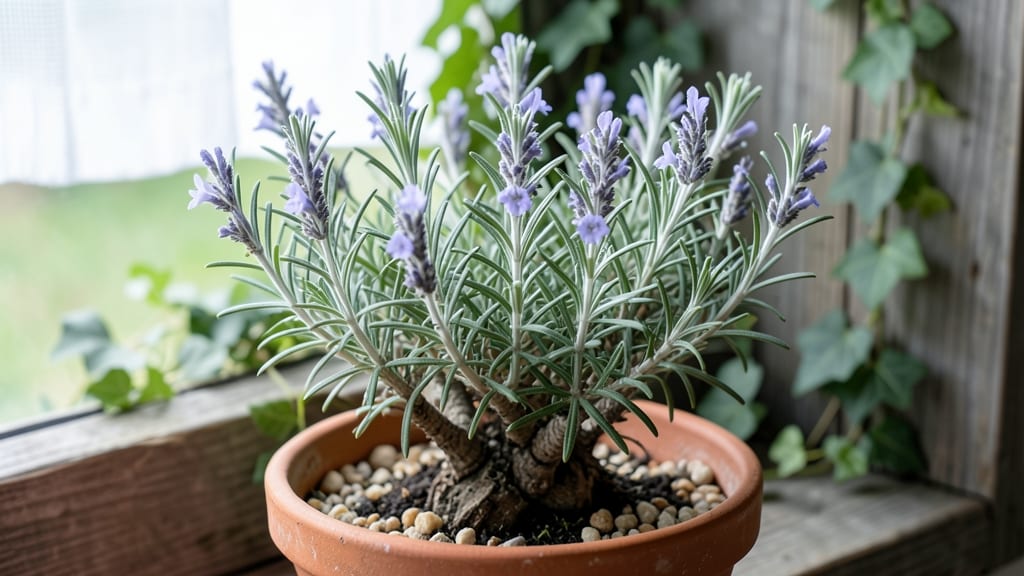
Growing a small rosemary tree that stays compact and fragrant takes just a few smart cuts. ✨ I’ve turned my leggy rosemary into a lush, woody centerpiece by pruning it right—no more sad, sprawling branches. The key is timing and technique, not how much you trim.
Rosemary thrives in full sun and well-draining soil, but it’s the pruning that shapes its future. Snip back leggy stems in early spring to encourage bushier growth, and give it a light haircut after flowering to keep it tidy.
Over-pruning kills it, so think "shape, not shear"—just enough to guide its form. By winter, your rosemary will smell like a forest floor, not a sad herb garden reject. The woody structure holds up better in cold snaps, and you’ll have fresh sprigs for cooking all year.
No more wilting stems or bare patches—just a fragrant, sturdy little tree. Works for both kitchen herbs and decorative shrubs. Here’s how to keep yours thriving without the guesswork.
📚 In This Guide
- What you need
- Instructions
- Tips and common mistakes
- Wrapping up and next steps
What you need
- ● Pruning shears: Sharp, bypass-style shears (3–4 inches long) for clean cuts.
- ● Hand pruners: For smaller branches (avoid dull blades—they crush stems!).
- ● Disinfectant (70% isopropyl alcohol or bleach solution): 1 part bleach to 9 parts water to sterilize tools between cuts.
- ● Gloves: Heavy-duty gardening gloves (rosemary’s needles can be prickly!).
- ● Trash bag or bucket: For clippings (compost later if pest-free!).
- ● Hose or spray bottle: To rinse tools and fresh cuts.
- ● Pruning saw: For stubborn, woody stems (if your rosemary is over 3 years old).
- ● Plant food (balanced 10-10-10 or rosemary-specific): A handful for post-prune nourishment.
- ● Notebook & pen: To track pruning dates and growth patterns.
Instructions for pruning a small rosemary tree
Here's how to keep your rosemary lush, fragrant, and compact year-round with simple trims.
✂️ Step 1: Prune for Shape in Early Spring
Start by cutting back any leggy or overgrown stems to encourage bushier growth. Use clean, sharp pruners to make cuts just above a leaf node—this is where new branches will sprout. I like to trim about ⅓ of the plant's height in early spring, right as new growth begins to appear.
Focus on removing stems that cross or rub against each other, as these create weak points. You'll see fresh, vibrant green growth emerge within 2-3 weeks of pruning. This is your signal that the plant is responding well. Avoid cutting into old, woody stems—rosemary struggles to regrow from these.
✂️ Step 2: Light Trimming After Harvesting
After harvesting sprigs for cooking, always trim back to a leaf node to encourage more growth. I pinch off just above a set of leaves rather than cutting through the stem—this prevents damage and keeps the plant healthy. A light trim after each harvest keeps your rosemary from becoming woody and leggy over time.
You'll notice new side shoots forming within 1-2 weeks of these small trims. This is how you maintain that compact, tree-like shape. Never remove more than 20% of the plant's foliage at once—rosemary is resilient, but it can't recover from heavy pruning.
☀️ Step 3: Summer Maintenance for Airflow
During the summer, focus on thinning out the center of the plant to improve airflow. Remove any dead, yellowed, or diseased branches immediately—this prevents fungal issues and keeps your rosemary thriving. I also trim back any stems that grow too long or flop over, as these can block sunlight from reaching the inner leaves.
Watch for new growth at the base of the plant—this is a sign your rosemary is happy and responding to the care. If you see bare spots where branches have died back, trim those areas lightly to encourage fresh shoots. Avoid heavy pruning in summer, as the plant needs all its energy to support new growth.
✂️ Step 4: Light Pruning in Late Fall
In late fall, give your rosemary a final light trim to remove any dead or damaged growth. This prepares the plant for winter dormancy and helps it retain its shape. I only remove what’s necessary—just enough to tidy up the plant without stressing it before colder weather.
You won’t see immediate regrowth after this trim, but it sets the stage for strong new growth in spring. If your rosemary is in a pot, this is also a good time to check the roots—if they’re circling or crowded, consider repotting to give the plant more room to grow.
Tips & tricks for perfect small rosemary tree pruning
Keeping your rosemary tree thriving takes just a few smart moves—and avoiding some common pitfalls. Here's what I've learned after years of growing these fragrant beauties.
Timing is Everything: In Step 1, when you trim about a third of the plant's height in early spring, choose a day after a light rain or when the soil is moist. This helps the plant recover faster and reduces stress. The 2-3 weeks you wait to see new growth is actually a good rule of thumb—if you don't see fresh green shoots by then, your cuts might have been too severe or into old wood.
The Leaf Node Secret: When pruning in Step 2 after harvesting, look for the tiny bump where leaves meet the stem—that's your leaf node. Cutting just above it (about 1/8 inch) gives you the best chance for new growth. I've made the mistake of cutting too far down, which leaves ugly stubs that never regrow. Also, never cut into woody stems—they won't sprout new leaves, and you'll just create bare spots.
Summer Airflow Strategy: During summer maintenance in Step 3, focus on creating an open center rather than just trimming the outer edges. I like to think of it like giving your rosemary a breath of fresh air—this prevents those pesky fungal issues that can turn your beautiful plant brown and crispy. If you notice any yellowing leaves, don't wait to remove them—diseased foliage spreads quickly to healthy parts.
Fall Prep Tip: That final light trim in late fall isn't just about looks—it's about preparing your rosemary for winter dormancy. While you won't see immediate regrowth, this trim helps the plant focus its energy on root development rather than maintaining unnecessary foliage. If your rosemary is in a pot, this is your chance to check for root-bound conditions—gentle tugs on the plant should reveal if it's time for a larger container.
Pro Tips for Small Rosemary Tree
- Keeping your rosemary tree thriving takes just a few smart moves—and avoiding some common pitfalls.
- Timing is Everything: In Step 1, when you trim about a third of the plant's height in early spring, choose a day after a light rain or when the soil is moist.
- The Leaf Node Secret: When pruning in Step 2 after harvesting, look for the tiny bump where leaves meet the stem—that's your leaf node.
Frequently asked questions
Got questions about keeping your small rosemary tree thriving with the perfect prune? We’ve got answers!
Whether you're a pruning pro or just starting out, these FAQs will help you maintain that lush, fragrant foliage year-round. Let’s dive in!
When is the best time to prune a small rosemary tree?
The ideal time to prune rosemary is in early spring or right after flowering (late spring to early summer). Avoid heavy pruning in fall or winter, as rosemary is sensitive to cold and needs time to recover before dormancy. Light trims to shape or remove dead growth can happen anytime, but major cuts should wait for warmer months!
How much can I trim off without harming my rosemary?
You can safely trim up to one-third of your rosemary’s growth in a single session, but avoid over-pruning. Focus on removing woody, leggy stems or dead wood first, then shape the rest. Over-trimming can stress the plant, so take it slow—especially with dwarf varieties, which are more delicate. Think of it like a haircut: confidence, not sacrifice!
Can I grow a small rosemary tree indoors, and how does pruning change?
Indoor rosemary thrives in pots with bright light and well-draining soil. Pruning indoors follows the same rules, but watch for overcrowding—trim more frequently to encourage bushiness. Avoid pruning too close to windows (which can stress the plant) and use sharp, clean scissors to prevent disease. A little extra love keeps your indoor rosemary lush and aromatic!
Why is my rosemary turning brown after pruning?
Brown tips or leaves after pruning usually mean stress from over-trimming, underwatering, or exposure to cold drafts. To fix it:
- Reduce pruning frequency (stick to light trims).
- Water deeply but infrequently—rosemary hates soggy roots!
- Move the plant to a warmer, sunnier spot (at least 6 hours of light/day).
- Avoid fertilizing right after pruning—wait 4-6 weeks.
Can I propagate my pruned rosemary cuttings?
Yes! Pruned rosemary cuttings make fantastic free plants. After trimming, dip the 3-4 inch cuttings in rooting hormone (optional but helpful) and plant them in a mix of perlite and potting soil. Keep the soil lightly moist and place them in bright, indirect light. Roots should form in 2-4 weeks—perfect for gifting or expanding your herb garden!
Wrapping up and next steps
Growing a small rosemary tree with year-round fragrance is all about mastering the art of strategic pruning—no green thumb required! 🌿 By following the right techniques, you’ll encourage lush growth, vibrant blooms, and that signature piney aroma while keeping your plant healthy and compact.
Whether you’re trimming for shape, size, or revival, consistency is key.
Ready to elevate your rosemary game? Start small—pick one season to practice your cuts, then expand your skills. Before you know it, your tiny tree will be the star of your garden (or kitchen!) with its fragrant, evergreen beauty. Happy pruning! 🌱