
Watering
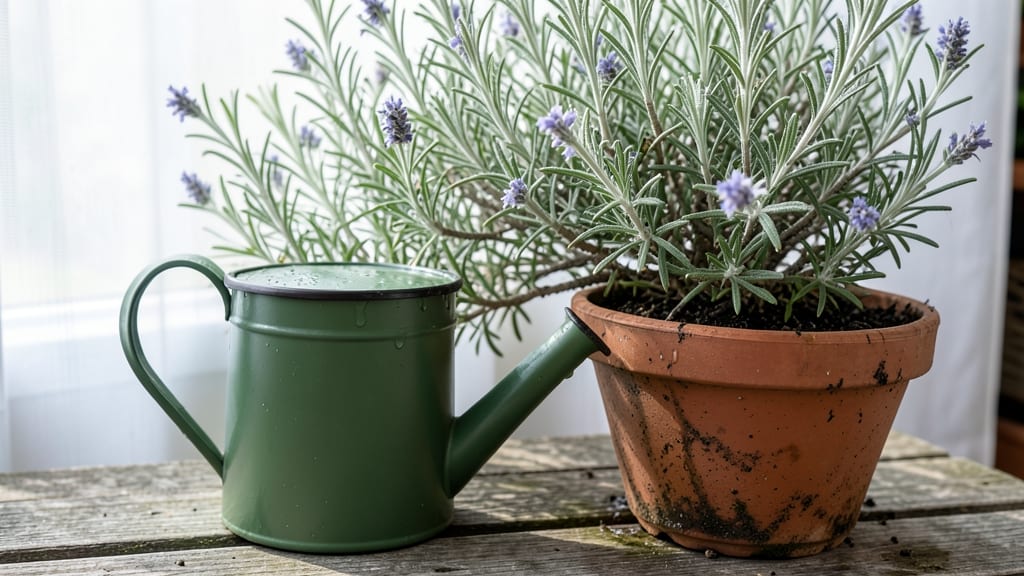
Your rosemary plants need watering that balances their drought-tolerant nature with proper soil moisture—not too dry, not too wet—to keep them thriving year-round.
Struggling to keep your rosemary lush and healthy? The secret lies in mastering their watering routine—too much or too little can spell disaster for this Mediterranean staple. Unlike thirsty annuals, rosemary despises soggy roots but wilts faster than you’d think if left bone-dry.
In Zone 6 and beyond, most rosemary thrives on bi-weekly watering in spring and fall, while summer heat demands deeper, more frequent soaks. Containers dry out faster than in-ground plants, so adjust your schedule accordingly—finger-test the soil before watering to avoid guesswork.
Below, I’ll break down the exact watering schedule by season, how to spot over/under-watering, and the one drainage trick that saves rosemary from root rot. No more shriveled stems or sad, leggy growth—just perfectly hydrated plants that reward you with fragrant harvests.
How often to water rosemary based on soil and climate conditions
Rosemary thrives on consistency, but its watering needs shift dramatically based on your climate zone and soil type. Unlike thirsty annuals, this Mediterranean herb despises soggy soil—yet underwatering can turn its needles brittle.
The key? A soil moisture test and climate-aware schedule. Let’s break it down so your rosemary stays perky year-round.
In arid climates (Zones 5–9), rosemary’s natural habitat, its roots crave dry spells between waterings. Here, every 7–10 days is ideal once the top 1–2 inches of soil feel dry.
Humid zones (Zones 10+) demand more caution—water every 5–7 days when the top inch dries out, or risk fungal diseases from excess moisture. Containers dry faster than in-ground plants, so adjust accordingly.
| Watering Frequency | Soil Moisture Test | Climate Type | Warning Signs | Best Time to Water |
|---|---|---|---|---|
| Every 7–10 days | Top 1–2" dry | Arid (Zones 5–9) | Wilting, crispy leaves / Root rot | Morning (6–9 AM) |
| Every 5–7 days | Top 1" dry | Humid (Zones 10+) | Yellowing leaves / Mold | Early evening (4–6 PM) |
| Every 3–5 days | Top ½" dry | Containers (any zone) | Drooping / Soil cracks | Deep soak until drainage |
| Every 14–21 days | Top 3" dry | Winter dormancy | Brown tips / Stunted growth | Only if soil is bone-dry |
Your soil type plays a starring role. Sandy or gravelly soil drains quickly, so water deeply but infrequently—aim for 1–1.5 gallons per watering for mature plants. Clay soil holds moisture longer, so extend the gap to 10–14 days between sessions.
Always check with your finger: stick it 1–2 inches deep. If it feels damp, wait. If dry, it’s time to water.
Watch for overwatering signs like yellowing leaves, mushy stems, or a foul smell from the soil. Underwatering reveals itself as crispy, curling needles and a woody, brittle stem. Both extremes stress the plant, but rosemary’s drought tolerance makes it more forgiving of underwatering—just don’t push it.
In extreme heat (above 90°F), increase frequency to every 3–5 days, but always water at the base, not the foliage, to prevent fungal issues.
Morning waterings are non-negotiable. Watering in the early morning (6–9 AM) gives roots time to absorb moisture before the sun evaporates it. Avoid evening waterings in humid climates—this invites fungal diseases like powdery mildew.
For container-grown rosemary, ensure pots have 3+ drainage holes and use a well-draining mix (60% mineral, 40% organic). If your rosemary is in a terracotta pot, it may need watering 2–3 days sooner than in-ground plants.
Seasonal shifts matter too. In spring and fall, rosemary’s growth slows, so reduce watering to every 10–14 days. Summer demands more attention, especially in Zone 10+, where humidity raises the risk of root rot.
Winter is the easiest season: water only if the soil is bone-dry, typically every 3–4 weeks. Grouping pots together creates a microclimate that retains warmth and reduces water needs in cold snaps.
Pro tip: Use a moisture meter for precision, especially in containers. These $10 tools take the guesswork out of watering and help you adjust for localized climate quirks, like a shady corner or a windy patio.
Remember, rosemary’s Mediterranean roots evolved to survive on irregular rainfall, not a strict schedule. The goal? Keep soil lightly moist, not soggy. With this balance, your rosemary will reward you with aromatic needles and bushy growth all year.
🌱
Rosemary watering mistakes that kill your plant (and how to fix them)
Even drought-tolerant rosemary can suffer from watering mistakes that seem harmless at first glance. I've seen wilting plants from both overwatering and underwatering—both are equally deadly for this Mediterranean herb. The key is understanding rosemary's water needs and adjusting based on your climate and growing conditions.
One of the most common errors is assuming rosemary thrives on a strict watering schedule without considering its seasonal dormancy or container size. I've had clients drown their plants in winter thinking they needed regular hydration, only to watch them develop root rot.
Let me show you how to avoid these pitfalls and rescue struggling rosemary.
If your rosemary shows yellowing leaves, it's often a sign of overwatering. I recommend checking the soil first—if it's soggy, reduce watering immediately. For crispy brown edges, the issue might be underwatering or high chlorine levels in your water. Switch to distilled water and monitor closely for improvement.
Container-grown rosemary needs more frequent watering than in-ground plants because pots dry out faster. I've found that potted rosemary requires watering every 7-10 days in summer, while garden plants can go 10-14 days between waterings. Always check the soil before watering—this simple habit saves countless plants.
For winter care, reduce watering dramatically. I've seen rosemary survive months with just monthly watering in cold climates. Grouping pots together creates a microclimate that retains moisture better. If you notice wilting in winter, it's often thirst—not cold stress—as rosemary conserves water naturally.
Remember, rosemary's drought tolerance is its superpower. The goal is to mimic its native Mediterranean environment where water is scarce. With these fixes, you'll have lush, aromatic rosemary year-round—no more guesswork, just thriving plants. 🌿