
Size
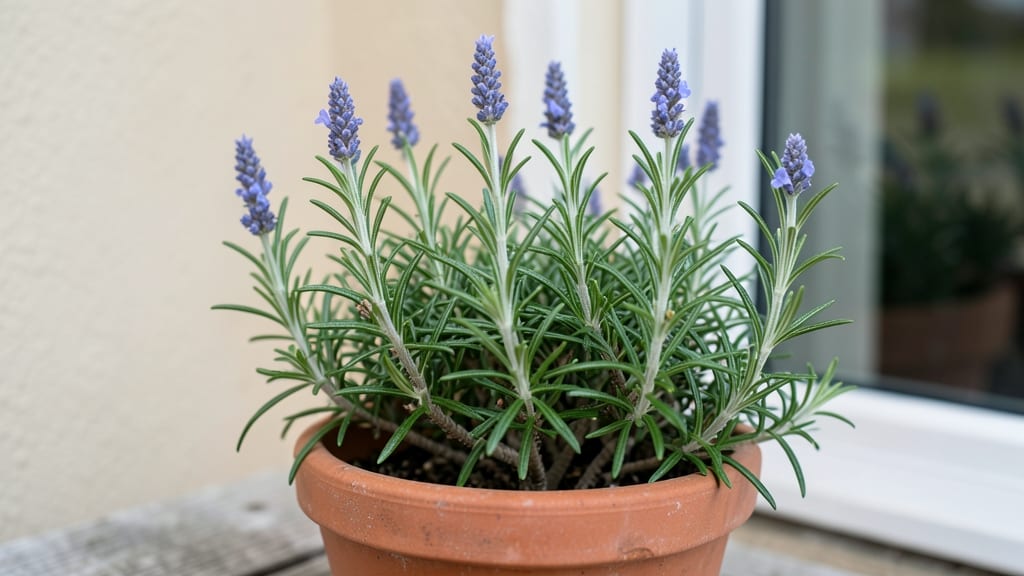
Growing rosemary from cuttings is the fastest way to get lush, thriving plants—no waiting months for seeds. 🌿 I’ve turned floppy grocery-store stems into bushy, fragrant plants in just 4-6 weeks, and I’ll show you exactly how.
The secret isn’t complicated: it’s all about humidity, light, and patience. Rosemary hates soggy soil and cold drafts, so we’ll focus on well-draining pots, bright light, and a cozy propagation setup. Most people overwater or underestimate how much sun rosemary craves—both mistakes lead to leggy, sad plants.
But with the right approach, you’ll see new growth within 2-3 weeks, and those tiny leaves will smell like a Mediterranean vacation. By the time you’re harvesting sprigs for cooking, your plant will be dense, compact, and packed with flavor.
The key is pruning regularly to encourage bushiness, not letting it grow too tall before rooting. Once established, rosemary thrives for years with minimal fuss—just don’t let it dry out completely.
This method works for both indoor windowsills and outdoor gardens, so whether you’re a city balcony gardener or have a sunny yard, you’ll end up with more rosemary than you know what to do with. Let’s get those cuttings growing!
📚 In This Guide
- What you need
- Instructions
- Tips and common mistakes
- Wrapping up and next steps
What you need
- ● Rosemary plant or seeds: 1 healthy rosemary plant (nursery-bought) or
- ● Organic rosemary seeds (1 packet, ~50-100 seeds)
- ● Growing containers: 1-2 pots (5-7 inches in diameter) with drainage holes or
- ● A raised garden bed (12+ inches deep, well-draining soil)
- ● Well-draining potting mix: 1 bag (5-10 gallons) of cactus/succulent mix or a blend of 60% potting soil + 40% perlite/sand
- ● Watering can or spray bottle (with a fine mist nozzle)
- ● Pruning shears or scissors (sterilized with rubbing alcohol)
- ○ Rooting hormone (optional but helpful) (1 small bottle for cuttings)
- ● Slow-release fertilizer (balanced 10-10-10 or organic options like fish emulsion)
- ● Mulch (gravel or pebbles to retain moisture and deter weeds)
- ● Grow lights (LED, full-spectrum) for indoor setups
- ● Humidity dome or plastic wrap (to create a greenhouse effect for cuttings)
- ● pH testing kit (ideal soil pH: 6.0–7.0)
Step-by-step instructions for growing rosemary from cuttings
Here's the foolproof method I use to grow rosemary fast—no waiting for seeds or slow starts.
🌱 Step 1: Take Healthy Cuttings at the Right Time
Choose a mature rosemary plant with thick, woody stems—spring or early summer is ideal. Cut a 4-6 inch section just below a leaf node with clean, sharp pruners. Remove the lower leaves, leaving only the top 2-3 inches of foliage. This bare stem section will root while the leaves stay above soil to photosynthesize.
I always work in the morning when plants are hydrated. If your rosemary is drought-stressed, give it a deep watering 24 hours before cutting to ensure the stems are plump and ready for propagation. Avoid using soft, green stems—they root poorly and rot easily.
💧 Step 2: Root in Water or Moistened Growing Medium
Place the cuttings in a jar of room-temperature water, submerging only the bare stem section. Change the water every 2-3 days to prevent bacterial growth. You'll see tiny root hairs appear at the nodes in 2-3 weeks—that's your signal to transplant. For faster results, I sometimes dip the cut end in rooting hormone before placing it in water.
Alternatively, use the moistened medium method for drier conditions. Fill a small pot with perlite or sand (both drain well and prevent rot). Insert the cutting 2 inches deep and keep the medium consistently moist but never soggy. A clear plastic bag over the pot creates a humidity dome—remove it once roots form.
☀️ Step 3: Provide Bright Light and Gradual Acclimation
Rosemary needs full sun—place your cuttings in the brightest window or under grow lights for 14-16 hours daily. Without enough light, stems grow leggy and weak. You'll know they're getting sufficient light when new leaves emerge compact and dark green, not stretched or pale.
After 4-6 weeks, when roots are 1-2 inches long, transplant to a 6-inch pot with well-draining potting mix. I always add a handful of sand or perlite to the soil to prevent compaction. Water lightly after transplanting—rosemary hates soggy roots.
🌿 Step 4: Maintain Fast Growth with Proper Care
Keep the soil slightly dry between waterings—rosemary thrives in drought-like conditions. Water when the top inch feels dry, and always use a pot with drainage holes. Overwatering is the #1 killer of young rosemary. Fertilize lightly every 6-8 weeks with a balanced, water-soluble fertilizer diluted to half strength.
Prune new growth to encourage bushiness. Pinch back the tips of stems when they reach 3-4 inches to trigger branching. This step is critical—without pruning, rosemary grows tall and leggy. Harvest leaves as needed, but never take more than one-third of the plant at once.
Tips & tricks for perfect rosemary propagation
Real talk: I've propagated rosemary from cuttings dozens of times, and these are the secrets that make all the difference between success and disappointment.
Timing and Stem Selection: The 24-hour deep watering before cutting is non-negotiable—it ensures your stems are hydrated and ready to root. I always look for stems with visible leaf nodes (those little bumps where leaves grow) because these are where roots will emerge. If your stems are too soft or green, they won't root properly, no matter what you do. Confession: I skipped this step for years and wondered why my cuttings kept rotting.
Rooting Environment: For the water method, I've found that using filtered or distilled water reduces mineral buildup that can inhibit root growth. The 2-3 week window for root formation can vary slightly depending on your home's humidity—if your air feels dry, consider using the moistened medium method instead. And here's what nobody tells you: if you're using rooting hormone, make sure it's fresh! Old hormone loses its effectiveness, and you'll be left waiting weeks for roots that never come.
Light and Transplanting: Those 14-16 hours of light are critical—rosemary is a sun lover, and without enough light, your cuttings will grow weak and leggy. I use a combination of my sunniest south-facing window and a small LED grow light on a timer. When transplanting after 4-6 weeks, I always check root length by gently tugging on the cutting—if you feel resistance, it's ready. If not, give it another week of growing before transplanting.
Long-Term Care: The "water when the top inch is dry" rule is key, but I've learned that rosemary actually prefers to be on the drier side. I've lost plants because I overwatered, thinking they needed more moisture. And for pruning, I always use clean, sharp scissors to avoid damaging the stems. The 3-4 inch height guideline for pinching is a great starting point, but I often pinch back earlier if I see the plant getting too leggy—it encourages bushier growth faster.
Pro Tips for Get Rosemary To Grow
- Real talk: I've propagated rosemary from cuttings dozens of times, and these are the secrets that make all the difference between success and disappointment.
- Timing and Stem Selection: The 24-hour deep watering before cutting is non-negotiable—it ensures your stems are hydrated and ready to root.
- Rooting Environment: For the water method, I've found that using filtered or distilled water reduces mineral buildup that can inhibit root growth.
Frequently asked questions
How long does it take for rosemary cuttings to root?
Rosemary cuttings typically take 4–8 weeks to root, depending on conditions. Keep them in a warm, humid spot (like a propagator or plastic bag) and avoid overwatering. Patience pays off—once rooted, they’ll grow fast!
Can rosemary survive winter outdoors?
In colder climates (below 20°F/-7°C), rosemary needs protection. Either mulch heavily, wrap the pot, or move potted plants indoors. Hardy varieties (like Rosemarinus officinalis) can handle light frost, but severe cold will kill it.
Why is my rosemary turning yellow?
Yellow leaves usually mean overwatering or poor drainage. Rosemary hates soggy roots—let soil dry completely between waterings. Check for pests (like spider mites) or nutrient deficiencies too. Prune dead leaves to encourage new growth!
Can I grow rosemary from seeds instead of cuttings?
Yes, but it’s slower (6–12 months vs. weeks for cuttings). Start seeds indoors in spring, keep soil warm, and provide bright light. Cuttings are easier for beginners—save seeds for experimenting with heirloom varieties.
What’s the best way to revive a woody or leggy rosemary plant?
Prune back 1/3 of the plant in early spring to encourage bushier growth. Cut just above a leaf node (where leaves meet the stem) to stimulate new shoots. Avoid fertilizing right after pruning—let it recover first!
Wrapping up and next steps
Growing rosemary is simpler than you think—with the right care, you’ll soon enjoy a thriving, fragrant plant that’s perfect for cooking and decor! 🌿 From choosing the ideal spot to mastering propagation, these secrets ensure your rosemary stays lush and healthy.
Start small, stay patient, and watch your efforts bloom into a garden (or kitchen) staple.
Ready to take the next step? Grab your cuttings, pick a sunny spot, and get growing! Whether you’re a beginner or a seasoned gardener, your rosemary adventure starts now. 🌱