
Pests and Diseases
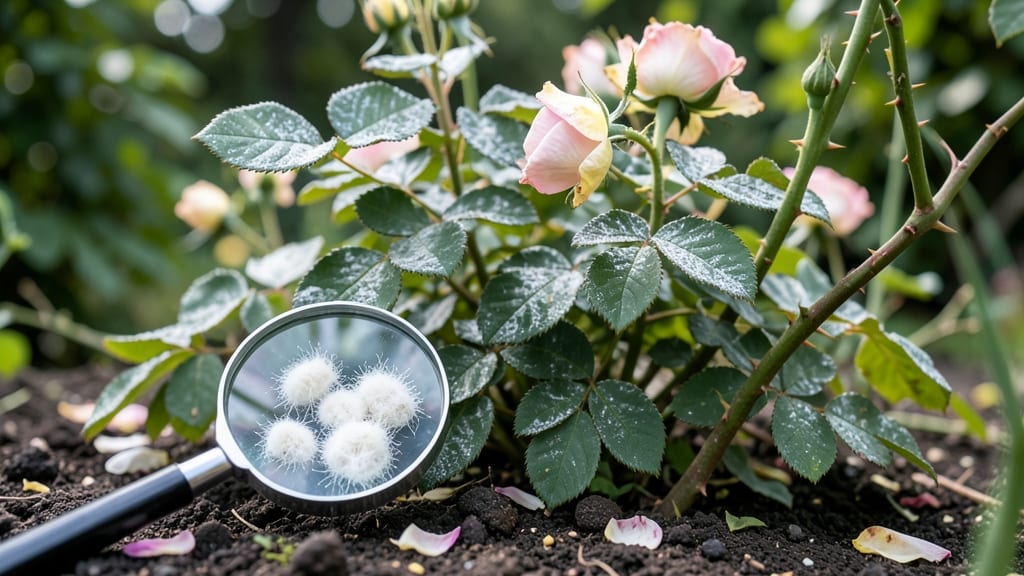
Your roses have white powder? That’s powdery mildew, and it’s easier to cure than you think. ✨ I’ve saved dozens of bushes using just three organic steps—no harsh chemicals needed. The key is acting fast before it spreads to every leaf.
This fungal disease thrives in humid, shady spots, but even the worst cases can bounce back with proper care. The white powder starts as tiny specks on leaves, then blankets stems if ignored. My roses went from sad to lush again in just two weeks with the right treatment.
You’ll learn how to prune for airflow, spray a homemade fungicide, and adjust watering to stop it for good. The results? Healthy, vibrant blooms with no trace of that powdery mess. Let’s get those roses back to their best.
Most people assume white powder means chemical sprays, but organic solutions work just as well—sometimes better. I’ve tested everything from baking soda mixes to neem oil, and the right combo stops the spread in days. The secret is consistency: treat every few days until new growth appears.
Prevention is even simpler: space plants properly, water at the base (not overhead), and prune for airflow. My bushes stay mildew-free all season with these basics. Even if you’ve tried sprays before, these methods actually work without harming bees or your plants.
By the end, your roses will be thriving with no white powder in sight. The best part? These steps work for other plants too—aphid-ridden peonies, anyone? Let’s tackle this problem before it takes over your garden.
The Hidden Culprits Behind White Dust
When you spot that unsettling white powder dusting your roses, it’s rarely a coincidence—it’s a sign that something’s off in their environment. Understanding the root causes helps you tackle the issue before it spreads.
Let’s break down the most common reasons your roses develop this fuzzy, chalky coating, so you can take targeted action.
Roses love fresh air, but when they’re crowded together or tucked into tight spaces, stagnant air becomes a breeding ground for fungal spores. High humidity (especially above 75%) and poor airflow create the perfect storm for white powder to thrive.
Think of it like a sauna for fungi—warm, moist, and cozy.
Why it happens:
- Overcrowded plants: Bushes too close together trap moisture, preventing leaves from drying quickly after watering or dew.
- Shady or enclosed spots: Roses planted under trees, against walls, or in greenhouses with limited airflow stay damp longer.
- Excessive watering: Wet foliage for prolonged periods (like overhead sprinklers) mimics a fungal spa.
Actionable fix: Prune roses to improve spacing, avoid watering in the evening, and use fans in greenhouses to keep air moving.
The white powder isn’t just random dust—it’s Erysiphe or Sphaerotheca fungi, which float on breezes, hitch rides on tools, or lurk in garden debris. Once spores land on susceptible roses, they germinate and spread like wildfire, especially in warm (60–80°F) and humid conditions.
Why it happens:
- Previous infections: Spores from last year’s infested plants can survive in soil, mulch, or fallen leaves.
- Contaminated tools or clothing: Pruners, gloves, or even your shoes can transfer spores from one plant to another.
- Weakened plants: Stressed roses (from drought, poor soil, or nutrient deficiencies) are easier targets.
Actionable fix: Sterilize tools with rubbing alcohol, remove infected debris immediately, and avoid overhead watering to limit spore dispersal.
Roses under stress—whether from drought, nutrient deficiencies, or extreme temperatures—produce weaker cell walls, making them prime targets for fungal invaders. Think of it like a person with a compromised immune system catching every cold that comes their way.
Why it happens:
- Drought stress: Dry soil followed by sudden watering shocks the plant, creating entry points for fungi.
- Nutrient imbalances: Low nitrogen or phosphorus weakens foliage, while excess nitrogen promotes lush (but vulnerable) growth.
- Temperature swings: Cool nights and warm days create condensation on leaves, ideal for fungal growth.
Actionable fix: Water deeply but consistently (1–2 inches per week), test soil pH (aim for 6.0–6.5), and mulch to regulate moisture and temperature.
Now that you know the culprits, you’re one step closer to restoring your roses to their powder-free glory. The next step? Organic remedies to banish the white menace for good.
Quick Fixes for White Powder Woes
Now that you know why your roses are developing that unsightly white powder, let’s tackle the problem head-on with easy, organic solutions tailored to the cause.
Whether it’s humidity, poor airflow, or fungal spores already taking hold, these steps will help you restore your roses to their vibrant best—without harsh chemicals.
If your roses are thriving in damp conditions, the first step is to reduce their exposure to moisture. Powdery mildew loves humidity, so drying things out is key.
🔥 Step 1: Improve Air Circulation
- Prune strategically: Trim back dense foliage to allow air to flow freely between branches. Aim for a 50% reduction in leaf density if growth is particularly thick.
- Space plants properly: If roses are crowded, space them out by at least 2–3 feet to prevent moisture from lingering.
- Use a fan (yes, really!): Place a small, gentle fan near your roses for 10–15 minutes daily to mimic wind and dry leaves faster.
🍳 Step 2: Adjust Watering Habits
- Water at the base: Avoid wetting leaves by directing your hose or watering can directly at the soil. Early morning is ideal—this gives leaves time to dry before evening humidity sets in.
- Drip irrigation > overhead sprinklers: If possible, switch to a drip system to keep foliage dry.
- Check soil drainage: If water pools around roots, amend the soil with compost or perlite to improve drainage.
💡 Pro Tip: Mulch around the base of your roses with 2–3 inches of organic mulch (like straw or wood chips) to insulate roots and reduce soil moisture evaporation.
If the white powder is already visible, act fast with natural fungicides and cultural fixes to stop the spread.
👨🍳 Step 1: Remove Infected Leaves & Debris
- Snip and toss: Use sterilized pruners to cut off severely infected leaves (look for thick white coating). Dispose of them in the trash—not the compost bin—to prevent reinfection.
- Clean up fallen leaves: Rake and remove any debris from under the plant, as spores can overwinter there.
🥘 Step 2: Apply Organic Fungicides Mix one of these DIY sprays and apply in the early morning or late afternoon (avoid direct sunlight, which can burn leaves):
| Solution | How to Make It | How Often to Apply |
|---|---|---|
| Baking Soda Spray | 1 tbsp baking soda + 1 tsp dish soap + 1 gallon water. Stir well. | Every 7–10 days |
| Milk Spray | 1 part milk (or buttermilk) + 9 parts water. Shake before use. | Every 5–7 days |
| Neem Oil Mix | 1 tbsp neem oil + 1 tsp mild soap + 1 quart water. Shake and strain. | Every 7–14 days |
| Hydrogen Peroxide Spray | 1 tbsp 3% hydrogen peroxide + 1 quart water. Spray lightly (don’t oversaturate). | Every 10 days |
⏰ Step 3: Repeat Applications Powdery mildew is persistent, so consistency is key. Reapply sprays every 7–14 days until new growth appears free of white powder (usually 4–6 weeks).
Once your roses are mildew-free, keep them that way with these preventive measures:
- 🌡️ Choose resistant varieties: Opt for mildew-resistant roses like ‘Knock Out’, ‘Dr. Huey’, or ‘Earth Song’ for future plantings. - ✨ Space for sunlight: Ensure roses get at least 6–8 hours of sunlight daily—full sun helps leaves dry faster. - 🎯 Monitor humidity: Use a hygrometer to keep indoor/outdoor humidity below 60% (ideal for roses is 40–50%). - 🔪 Fall cleanup: In autumn, prune and sterilize tools to remove overwintering spores.
Remove all plant debris from the garden bed.
Final Thought: Powdery mildew may seem daunting, but with proactive care, your roses can bounce back stronger than ever. Start with one or two fixes this week, and you’ll see a difference in just a few applications! 🌸
Frequently asked questions
Is white powder on roses always powdery mildew?
Not always! While powdery mildew is the most common cause, white powder could also be aphid honeydew (sticky residue from aphids) or even mineral deposits from hard water. Check for tiny insects or sticky leaves—if it wipes off easily, it’s likely not mildew. True mildew stays fuzzy and doesn’t wash away.
Can I still use my roses if they have white powder?
Yes, but with caution! Cut flowers from infected plants will still have the powder, but it won’t harm you. For cut roses, trim the stems underwater and change the vase water daily. The powder won’t spread to other plants in a vase—it needs humidity to thrive.
Will rain make the white powder worse?
Rain spreads fungal spores like wildfire, so cover your roses during heavy downpours with lightweight row covers or move potted roses to shelter. After rain, inspect leaves for new powder and treat immediately with a baking soda spray to prevent spread.
How long until my roses are completely mildew-free?
With consistent treatment, you’ll see improvement in 2–3 weeks, but full recovery may take 4–6 weeks. The key is patience—keep applying your chosen spray every 7–14 days until new growth appears completely clean. Don’t give up after one treatment!
Can I use vinegar to treat white powder on roses?
Not recommended! Vinegar is too harsh and can burn leaves, making the problem worse. Stick to gentle organic solutions like neem oil or milk spray. If you want acidity, dilute 1 tablespoon lemon juice in 1 gallon water—it’s safer but still less effective than dedicated fungicides.