
Planting
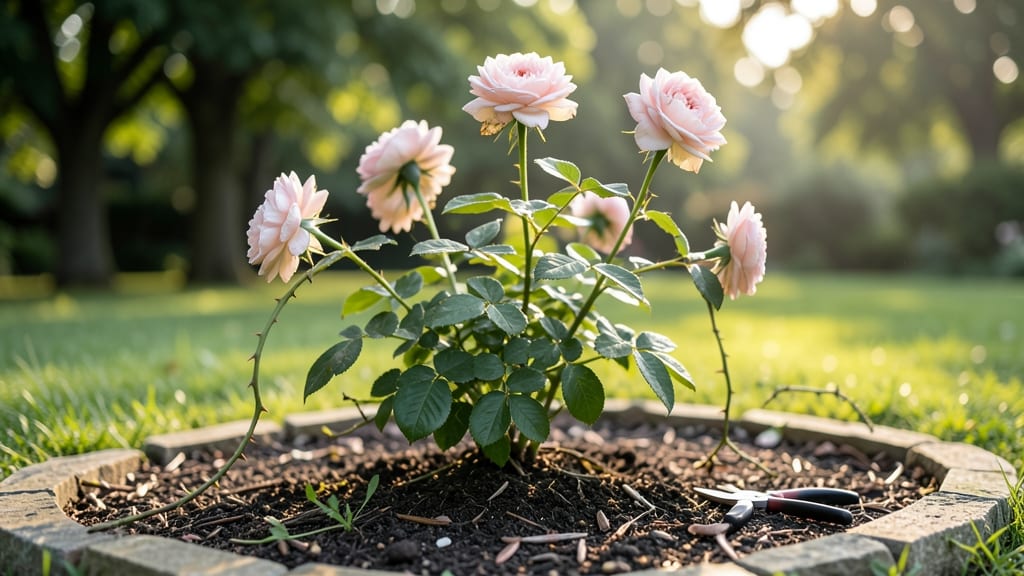
My grandmother's rose bush taught me that the best gardens grow from memory. 🌹 That sentimental rose plant in her backyard wasn't just a bush—it was a living letter from her youth, its thorns carrying stories of summers spent picking blooms for her hair.
Now I grow them too, and every pruned cane feels like holding a piece of history.
These roses thrive where others fail because they demand attention—not because they're high-maintenance, but because they reward it with fragrance that lingers long after the petals fall. Start with rich, well-draining soil and full sun, then water deeply but infrequently.
The real magic happens in late winter when you prune with purpose, shaping the plant to bloom again and again.
By mid-summer, you'll have a bush so lush it feels like stepping into a storybook. The blooms arrive in waves, their scent stronger in the morning air, and the petals—when gently pressed—keep their color for years. It's not just gardening; it's preserving moments you can't buy.
Winter protection is simple: mound soil around the base or wrap the canes loosely in burlap. These roses survive because they're tough, just like the memories they carry. Whether you're reviving a family heirloom or starting fresh, the process connects you to generations of gardeners who did the same.
📚 In This Guide
- What you need
- Instructions
- Tips and common mistakes
- Wrapping up and next steps
What you need
- ● Sentimental rose plant: Choose a healthy, disease-resistant variety (e.g., 'Bonica', 'Knock Out', or 'David Austin' roses). Tip: Buy from a reputable nursery for the best quality!
- ● Well-draining potting soil: 5–10 gallons, mixed with perlite or sand (1:1 ratio) for aeration.
- ● Pruning shears: Sharp, sterilized shears (or a rose-specific pruner) to make clean cuts.
- ● Fertilizer: Balanced rose fertilizer (10-10-10 or organic options like composted manure).
- ● Mulch: Organic mulch (e.g., wood chips or straw) to retain moisture and regulate soil temperature.
- ● Watering can or hose: With a gentle spray nozzle for hydration.
- ● Gloves: Heavy-duty gardening gloves to protect hands from thorns.
- ● Pruning sealant: (e.g., tree wound dressing) to prevent disease on larger cuts.
- ● Support structure: A small trellis or stake (2–3 ft tall) for climbing varieties.
- ● pH testing kit: To ensure soil pH is between 6.0–6.5 (ideal for roses).
- ● Spray bottle: For misting leaves during dry spells.
Step-by-Step guide to pruning sentimental roses for year-round blooms
Here's how I keep my sentimental roses blooming beautifully—with less stress and more fragrance.
✂️ Step 1: Time Your Pruning for Maximum Growth
Prune your sentimental roses in early spring, just as new growth begins to swell but before buds break. This timing ensures you remove dead wood while stimulating fresh, fragrant blooms. I like to wait until daytime temperatures consistently stay above 50°F—this prevents shock to tender new growth.
Use sharp, clean pruners to make 45-degree cuts just above an outward-facing bud. This encourages the plant to grow outward rather than inward, improving airflow and reducing disease. If you see any blackened or mushy stems, cut those back immediately—they’re signs of winter damage or fungal issues.
🌿 Step 2: Shape the Bush for Airflow and Fragrance
Step back and look at your rose bush from all sides. The goal is an open, vase-like shape that lets sunlight and air reach the center. Remove any crossing branches first—they rub against each other, creating wounds where pests and diseases love to hide. I also trim back any branches growing straight up; these rarely bloom well and waste energy.
Cut back one-third of the oldest canes to the ground. These older stems produce fewer blooms and are more prone to disease. You’ll know you’re doing it right when the center of the bush looks lighter and more open—this is where the magic happens for those fragrant, repeat blooms.
☀️ Step 3: Deadhead and Fertilize for Continuous Blooms
After the first flush of blooms fades, deadhead spent flowers by cutting back to the nearest outward-facing bud. This redirects the plant’s energy into producing more blooms instead of seeds. I do this every 2-3 days during peak bloom season—it keeps the plant focused on fragrance and beauty.
Feed your roses with a balanced rose fertilizer (10-10-10 or similar) every 4-6 weeks during the growing season. Water deeply after fertilizing to help the nutrients soak into the soil. You’ll notice new buds forming within 2-3 weeks—that’s your reward for the effort!
⏰ Step 4: Prepare for Winter to Preserve Next Year’s Blooms
In late fall, after the first hard frost but before the ground freezes, give your roses a light pruning. Cut back any weak or diseased growth and remove any remaining leaves. This reduces hiding spots for pests and prevents fungal buildup over winter. I also wrap the canes loosely with burlap to protect them from harsh winds and freezing temperatures.
Mulch the base of the plant with 2-3 inches of organic mulch (like shredded bark or straw) to insulate the roots. Check the mulch in early spring—if it’s broken down, add more to protect the roots as they wake up. This winter prep ensures your sentimental roses will burst into bloom again next season, just as fragrant as ever.
Tips & tricks for perfect sentimental rose plant care
These simple strategies will help you keep your sentimental roses blooming beautifully all year long.
Timing is Everything: The early spring pruning window is crucial—aim for when daytime temperatures consistently stay above 50°F. I've learned this the hard way: pruning too early when nights are still cold can shock the plant, while waiting too late means missing the optimal growth period. Watch for those first swollen buds as your cue to begin.
The 45-Degree Cut Technique: When making your cuts in Step 1, angle them at 45 degrees just above an outward-facing bud. This isn't just about looks—it creates a natural shield for the bud against rain and snow, while encouraging outward growth that improves airflow. I always test my pruners first to ensure they're sharp enough to make clean cuts without tearing the stems.
Visual Airflow Check: After shaping your bush in Step 2, stand back and look for that "open vase" shape. You should be able to see sunlight reaching the center without obstruction. If you can't, keep trimming back crossing branches until you can. This simple visual check is what separates healthy, fragrant roses from those that struggle with disease.
Seasonal Deadheading Schedule: During peak bloom season, I set a reminder to deadhead every 2-3 days. This might seem frequent, but it's what keeps my roses producing continuously. The key is to cut back to the nearest outward-facing bud—not just the flower stem. This redirecting of energy is what gives you those repeat blooms throughout the season.
Pro Tips for Sentimental Rose Plant
- These simple strategies will help you keep your sentimental roses blooming beautifully all year long.
- Timing is Everything: The early spring pruning window is crucial—aim for when daytime temperatures consistently stay above 50°F.
- The 45-Degree Cut Technique: When making your cuts in Step 1, angle them at 45 degrees just above an outward-facing bud.
Frequently asked questions
Got questions about your sentimental rose plant?
Here are answers to the most common ones—so you can keep those blooms fragrant and thriving all year!
When is the best time to prune a sentimental rose plant for year-round fragrance?
Prune your sentimental rose plant in early spring (just before new growth starts) and again in late winter (if in a mild climate). Avoid pruning after summer—this can stimulate tender new growth that won’t survive frost. Focus on removing dead, crossing, or crowded branches to improve airflow and encourage continuous blooms.
How do I keep my sentimental rose plant blooming nonstop?
For continuous blooms, deadhead spent flowers regularly (cut back to the first five-leaflet leaf). Feed with a balanced rose fertilizer every 4-6 weeks during growing season, and water deeply at the root zone (not the leaves). Mulch to retain moisture and protect roots—this combo keeps your rose in bloom mode!
Why aren’t my sentimental rose leaves turning red like they’re supposed to?
Red foliage (like in ‘Sentimental’ roses) fades due to lack of sunlight, over-fertilizing with nitrogen, or stress (underwatering, pests). Move your plant to full sun (6+ hours/day), adjust fertilizer to a low-nitrogen, high-phosphorus blend, and check for aphids or mites. A little shade in extreme heat can help too!
Can I grow a sentimental rose plant in a container? If so, what’s the best pot size?
Yes! Sentimental roses thrive in containers with good drainage. Use a pot at least 18-24 inches wide and deep—they need room for roots. Choose a terracotta or fabric pot (breathable materials prevent root rot). Repot every 2-3 years, and use a well-draining potting mix blended with compost for nutrients.
How do I winterize my sentimental rose plant in cold climates?
Start by pruning lightly in late fall (remove dead wood but leave healthy canes). Mound 4-6 inches of mulch around the base, then wrap the plant in burlap or frost cloth. In Zone 5 or colder, consider burying the pot or using a rose cone for extra protection. Water sparingly before freezing—never let soil dry out completely!
Are there any fragrant rose alternatives if sentimental roses are hard to find?
Try these fragrant, low-maintenance roses:
- ‘David Austin’ English Roses (e.g., ‘Gertrude Jekyll’) – Classic scent, repeat blooms.
- ‘Knock Out’ Roses – Disease-resistant, blooms all season (though less intense fragrance).
- ‘Zéphirine Drouhin’ – Climbing rose with strong, spicy fragrance and thornless canes.
- ‘The Fairy’ – Miniature rose with old-fashioned charm and sweet scent.
Wrapping up and next steps
Cultivating a sentimental rose plant that blooms with fragrance year-round is a rewarding journey—one that blends patience, precision, and a touch of love.
By mastering the art of pruning, you’ve unlocked the secret to vibrant blooms and intoxicating scents, even in the off-season. Your green thumb is already making magic happen!
Ready to take it further? Experiment with rose varieties or share your pruning tips with fellow plant enthusiasts—every gardener’s passion grows when connected. 🌹✨ Next up: Try propagating your favorite roses to spread joy (and fragrance) across your garden!