
Container Gardens
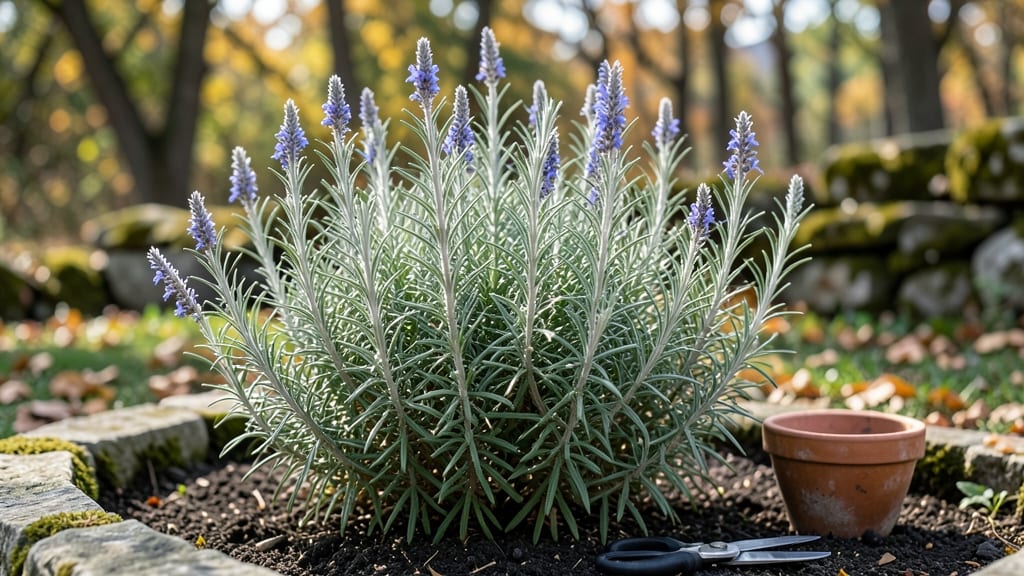
Growing Spice Islands rosemary in containers means fragrant, compact greenery that smells like a Mediterranean vacation year-round. 🌿 Unlike its sprawling cousins, this variety stays tidy at just 2-3 feet tall, making it perfect for patios, windowsills, or even as a living centerpiece.
The needle-like leaves release that signature piney aroma when brushed—ideal for cooking or just enjoying the scent. This rosemary thrives in well-draining soil and full sun (6+ hours daily), but it’s surprisingly adaptable. Water only when the top inch of soil feels dry—overwatering is the #1 killer of container herbs.
A 5-7 gallon pot with drainage holes gives roots room to breathe, and occasional pruning keeps it bushy and productive. By summer, you’ll be snipping fresh sprigs for roasts, soups, or garnishes—no store-bought substitutes needed.
The foliage stays vibrant even in winter, as long as you protect it from frost. Unlike upright varieties, Spice Islands won’t flop over, making it the easiest rosemary for small spaces. For extra flavor, pair it with thyme or oregano in the same container.
If pests like spider mites appear, hose the plant down—rosemary’s strong scent usually deters them naturally. Ready to grow yours?
📚 In This Guide
- What you need
- Instructions
- Tips and common mistakes
- Wrapping up and next steps
What you need
- ● Rosemary plant: 1 healthy Rosmarinus officinalis (preferably a compact or prostrate variety for containers, like 'Blue Spires' or 'Spice Islands').
- ● Container: 1 large pot (at least 12–18 inches deep and 12–14 inches wide) with drainage holes. Terracotta or fabric pots work best!
- ● Well-draining potting mix: 3–5 gallons of a cactus/succulent blend or a mix of 50% potting soil + 50% perlite/sand.
- ● Gravel or pebbles: 1–2 inches (for drainage layer at the container’s bottom).
- ● Slow-release fertilizer: 1 packet of balanced 10-10-10 or organic herb fertilizer.
- ○ Gloves (optional but recommended) – To protect your hands from prickly stems.
- ● Trowel or small shovel – For planting and mixing soil.
- ● Watering can or hose with a gentle spray nozzle – Rosemary hates soggy roots!
- ● Pruning shears – To trim back leggy growth (keep them sharp!).
- ● Sunny spot: At least 6–8 hours of full sun daily (rosemary is a sun-worshipper!).
- ● Cold-hardy location (if outdoors year-round): Rosemary tolerates light frosts but thrives best in USDA Zones 7–10. In colder climates, bring it indoors near a sunny window.
- ● Mulch (like gravel or pine bark) – Helps retain moisture and keep roots cool.
- ● Herb companion plants: Try pairing rosemary with thyme, oregano, or lavender in the same container for a fragrant Mediterranean garden!
- ● Humidity tray (for indoor growers): A pebble tray with water can help if your home is dry.
- ● Plant labels: Mark your Spice Islands rosemary to avoid mix-ups with other herbs.
Step-by-step guide to growing Spice Islands rosemary in containers
Here’s how to cultivate this fragrant, compact rosemary variety that delivers bold flavor and stunning foliage all year.
🪴 Step 1: Select the Right Container and Soil Mix
Choose a 5-7 gallon container with drainage holes—rosemary roots need room to spread and hate soggy feet. I prefer terracotta pots because they wick away excess moisture, but any unglazed ceramic or fabric pot works. Avoid plastic unless it’s ventilated, as rosemary despises humidity trapped against its roots.
Fill the bottom third with coarse gravel or pumice for drainage, then add a premium potting mix blended with 20% perlite or coarse sand. This ensures aeration while retaining just enough moisture. Rosemary thrives in well-draining, slightly alkaline soil—if your mix isn’t pre-amended, stir in a handful of crushed eggshells or wood ash to boost pH slightly. Press the soil down gently but don’t compact it.
🌱 Step 2: Plant and Establish the Rosemary
Dig a hole twice as wide as the root ball but no deeper—rosemary roots prefer being slightly exposed. Gently remove the plant from its nursery pot and tease the roots apart if they’re circling. Place it in the hole so the top of the root ball sits ½ inch below the rim—this prevents stem rot from splashing water during rain or watering.
Backfill with soil, pressing lightly to eliminate air pockets. Water deeply until it drains freely from the bottom holes, then let it dry completely before watering again. Here’s the thing—rosemary wilts slightly when thirsty, but it bounces back within hours once watered. Don’t panic if it looks droopy; this is normal behavior for a drought-tolerant herb.
☀️ Step 3: Position for Maximum Sun and Airflow
Rosemary demands full sun—at least 6-8 hours daily—to develop its signature piney aroma and compact growth. Place your container on a south- or west-facing patio, balcony, or deck. If you’re in a high-rise or shaded area, supplement with a 12-hour LED grow light positioned 6 inches above the plant. You’ll notice leaves yellowing or stretching toward light if it’s not getting enough—this is your cue to move it closer to the sun.
Ensure strong airflow by spacing containers 12 inches apart—rosemary’s needle-like leaves need circulation to prevent fungal diseases like powdery mildew. If you’re growing multiple plants, group them together; they’ll grow more robustly when planted in clusters, mimicking their native Mediterranean habitat.
💧 Step 4: Water and Fertilize for Year-Round Growth
Water only when the top 2 inches of soil feel dry—this could be every 7-10 days in summer or every 3-4 weeks in winter. Overwatering is the #1 killer of container rosemary. Stick your finger in the soil; if it’s damp below the surface, wait another day. When you do water, soak thoroughly until water runs out the drainage holes. Empty the saucer afterward to prevent root rot.
Fertilize lightly twice a year: once in early spring and again in mid-summer. Use a balanced, water-soluble fertilizer (like 10-10-10) diluted to half strength. Rosemary is a Mediterranean shrub—it doesn’t need rich soil or frequent feeding. Too much fertilizer leads to soft, floppy growth and weak flavor. A handful of granulated compost worked into the soil at planting is all it needs for nutrients.
✂️ Step 5: Prune and Harvest for Bushier Growth
Prune after flowering in late spring or early summer to encourage bushier, more compact growth. Use clean, sharp pruners to trim back one-third of the current year’s growth, cutting just above a set of leaves. This prevents legginess and keeps the plant from becoming woody. You’ll see new side shoots emerge within 2-3 weeks—this is your reward for pruning.
Harvest sparingly in the first year to encourage root establishment, but once established, you can snip stems anytime. Choose non-flowering sprigs for the best flavor—flowers signal the plant is maturing and storing energy for seed production. Hang bundles upside down in a dry, dark place for 1-2 weeks to dry fully before crushing leaves for culinary use. Real talk: the first harvest after winter is always the most fragrant.
Tips & tricks for perfect Spice Islands rosemary growth
Between us, these simple adjustments will help your rosemary thrive like a Mediterranean native—no green thumb required.
Container Material Matters: Terracotta is ideal because it breathes, but if you must use plastic, drill extra drainage holes and elevate the pot on feet to prevent moisture buildup. I've seen rosemary roots rot in sealed plastic containers—don't make my mistake! The 5-7 gallon size is non-negotiable for mature plants, but you can start with smaller pots for young seedlings. Just remember to upgrade within a year to avoid root-binding.
Soil pH Secret: That crushed eggshell or wood ash isn't just for show—it's your pH insurance policy. Rosemary prefers slightly alkaline soil (6.0-7.0 pH), and these amendments create the perfect environment. Test your soil first if possible; if it's already alkaline, skip the amendments. The 20% perlite/sand mix is crucial too—it prevents that dreaded "soggy bottom" that kills container herbs faster than overwatering.
Sunlight Strategy: When you're short on natural light, position your grow light 6 inches above the plant and run it for 12 hours daily—this mimics summer sunlight perfectly. I use a simple LED bulb on a timer, and my indoor rosemary stays just as fragrant as outdoor plants. Watch for leaves stretching toward light (etiolation)—this is your plant's SOS for more photons. Rotate the pot weekly so all sides get even exposure.
Pruning Payoff: That one-third trim after flowering isn't just about looks—it triggers bushier growth by stimulating lateral buds. Use clean pruners to avoid disease, and always cut just above a leaf node where new growth will emerge. The 2-3 week recovery time is worth it when you see those fresh new shoots. Pro tip: Save your pruned stems—they root easily in water if you want to propagate new plants!
Pro Tips for Spice Islands Rosemary
- Between us, these simple adjustments will help your rosemary thrive like a Mediterranean native—no green thumb required.
- Container Material Matters: Terracotta is ideal because it breathes, but if you must use plastic, drill extra drainage holes and elevate the pot on feet to prevent moisture buildup.
- Soil pH Secret: That crushed eggshell or wood ash isn't just for show—it's your pH insurance policy.
Frequently asked questions
Can rosemary survive winter in containers?
Rosemary is hardy and thrives in containers year-round. In cold climates (USDA Zones 7-10), move pots to a sheltered spot or indoors near a sunny window. Use well-draining soil and avoid overwatering—dry conditions mimic its Mediterranean roots. Pro tip: Wrap pots in burlap for extra insulation!
How often should I water rosemary in a container?
Rosemary hates soggy roots! Water only when the top 1-2 inches of soil are bone-dry—typically every 1-2 weeks, depending on heat and humidity. Containers dry faster than ground soil, so check frequently. Overwatering = root rot! Drainage holes are a must.
What’s the best alternative if rosemary doesn’t grow well for me?
Try thyme, oregano, or lavender—they’re equally hardy and love containers. For a similar aroma, Spanish sage or marjoram work well. All thrive in sunny spots with minimal fuss. Bonus: These herbs also repel pests naturally!
Why are my rosemary leaves turning yellow?
Yellow leaves usually mean overwatering or poor drainage. Let the soil dry completely between waterings, and ensure your pot has drainage holes. If yellowing spreads, trim affected stems and check for pests (like spider mites). Fix it fast: Prune back 1/3 of the plant to encourage bushier, healthier growth.
Does rosemary need full sun in containers?
Yes! Rosemary craves at least 6-8 hours of direct sunlight daily. In containers, it’s even more critical—place it in the sunniest spot possible. South- or west-facing windowsills or balconies are ideal. Low light? Expect leggy growth and weak flavor.
Wrapping up and next steps
Growing Spice Islands rosemary in containers isn’t just about adding a fragrant, versatile herb to your kitchen—it’s about embracing a year-round green thumb adventure!
With its hardy nature and minimal care needs, this aromatic beauty rewards you with flavor, beauty, and resilience, whether you’re a seasoned gardener or just starting out. 🌿✨
Ready to harvest the rewards? Start by sharing your rosemary plant with a friend, experimenting with new recipes, or even gifting homemade rosemary-infused treats. Next up: Try growing another container-friendly herb like thyme or oregano to expand your culinary garden! 🌱