
Flowers
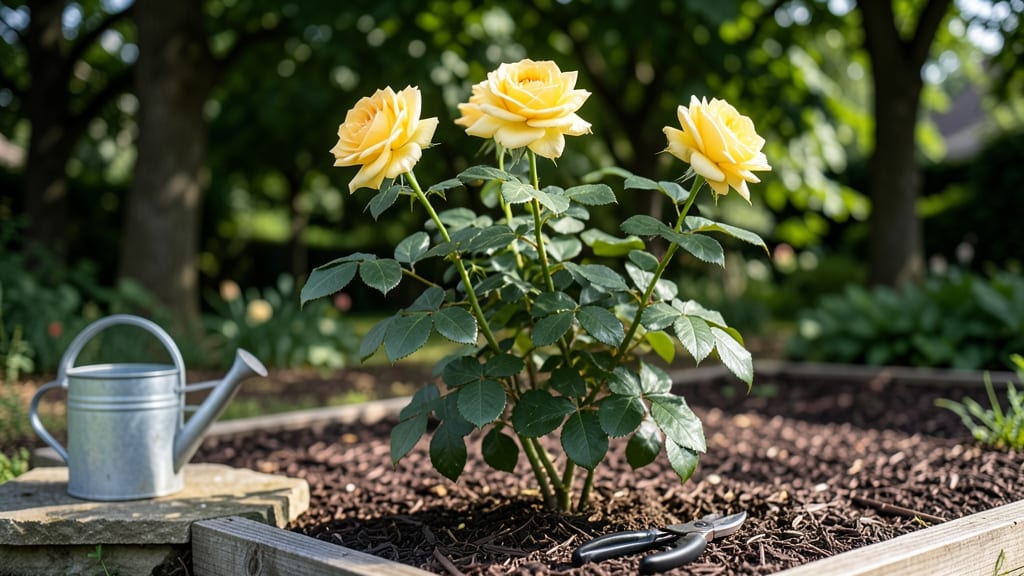
"Yellow Mellow" roses bring sunshine to your garden with their golden blooms and buttery fragrance. 🌸 I fell for this climber after seeing how effortlessly it transformed a simple container into a fragrant centerpiece—no fuss, just beauty. Its compact growth makes it perfect for small spaces, balconies, or even trellises along a fence. This rose thrives in containers with well-draining soil and morning sun, pairing beautifully with lavender, catmint, or dusty miller for a soft, romantic look. The blooms stay vibrant all season, and its disease resistance means fewer headaches than fussy hybrids. Just snip spent flowers to encourage more blooms—it’s that easy. Imagine a summer evening where the air smells like honey and lemon, with golden petals catching the last light. This rose delivers that dream with minimal effort, making it the star of any relaxed, sunlit garden corner. The secret? Good drainage and regular (but not excessive) watering—no high-maintenance drama here. Works in pots, hanging baskets, or even as a small hedge. Let’s make your space glow with this cheerful climber!
Understanding Rose Blush Shifts
Your once-vibrant yellow mellow rose may start losing its luster and turning a dull, faded yellow—often called "mellow" or even pale—due to a mix of environmental, biological, and care-related factors. While it’s not always a sign of distress, these shifts can hint at underlying issues.
Let’s break down the science behind why your rose’s color tone changes, so you can address the root cause with confidence.
Roses, like many flowers, undergo natural aging. As petals mature, their pigments—particularly anthocyanins (responsible for vibrant yellows and oranges)—break down due to enzymatic reactions triggered by ethylene gas, a plant hormone. This process accelerates in:
- Hot, dry climates: Heat increases ethylene production, speeding up petal senescence (the scientific term for aging). 🌡️
- Humid conditions: While humidity slows water loss, excess moisture can promote fungal growth, which weakens petal structure and accelerates fading.
- Older blooms: Petals at the center of the flower often yellow first because they open earliest and are exposed to more environmental stressors.
Actionable fix: Deadhead spent blooms regularly to redirect the plant’s energy to new, vibrant flowers. Use clean, sharp pruners to avoid damaging stems. 🌸
Yellow mellow roses thrive in full sun (6–8 hours daily), but too much or too little sunlight can disrupt pigment production. Here’s how:
- Excessive sun (especially in extreme heat): UV radiation can bleach pigments over time, causing petals to lose their intensity. This is common in yellow roses, which are more prone to sunburn than darker varieties.
- Inadequate light: Low light reduces chlorophyll activity in leaves, which indirectly affects flower pigmentation. The plant may produce paler blooms as it conserves energy.
Actionable fix:
- Provide morning sun + afternoon shade in hot climates to balance light exposure.
- Use light-colored containers to reflect heat away from roots.
- Fertilize with a low-nitrogen, high-potassium blend (like 5-10-10) to support pigment-rich blooms. 💪
Water stress—whether from drought or overwatering—disrupts the rose’s ability to absorb nutrients critical for vibrant colors. Here’s the science:
| Issue | Effect on Pigmentation | Signs to Watch For |
|---|---|---|
| Underwatering | Limits nutrient uptake (especially magnesium, key for chlorophyll and pigment synthesis). Petals may yellow due to oxidative stress. | Dry, crispy petal edges; wilting despite soil appearing dry. |
| Overwatering | Leads to anaerobic conditions in roots, reducing oxygen and nutrient absorption. Fungal infections (like Botrytis) can also cause petal discoloration. | Yellowing leaves; mushy stems; petals that appear waterlogged or moldy. |
Actionable fix:
- Water deeply but infrequently—aim for 1–1.5 inches per week, adjusting for rain.
- Use well-draining soil (mix in perlite or sand) and containers with drainage holes.
- Mulch with organic matter (like compost) to retain moisture without suffocating roots. 🌱
Fungi like Powdery Mildew or Black Spot thrive in humid, shaded conditions and can cause petals to turn yellow or develop brown spots. These pathogens:
- Block stomatal function (tiny leaf pores), reducing the plant’s ability to photosynthesize and produce vibrant pigments.
- Release toxins that disrupt cellular processes, leading to premature aging and discoloration.
Actionable fix:
- Spray leaves and stems with a neem oil solution (1 tbsp neem oil + 1 quart water + a drop of dish soap) weekly as a preventative. 🛡️
- Prune infected leaves immediately and dispose of them off-site to prevent spread.
- Improve air circulation by spacing plants 18–24 inches apart.
Roses are heavy feeders, and a lack of specific nutrients can dull their color. Here’s what to watch for:
| Nutrient | Role in Pigmentation | Deficiency Signs |
|---|---|---|
| Magnesium | Critical for chlorophyll and anthocyanin production. | Yellowing between leaf veins; pale, dull petals. |
| Iron | Helps maintain electron transport in photosynthesis, indirectly supporting vibrant colors. | Yellowing leaves (especially young ones); weak stems. |
| Potassium | Enhances flower pigment stability and disease resistance. | Weak, pale blooms; edges of leaves turning brown. |
Actionable fix:
- Test soil pH—roses prefer 6.0–6.5. Adjust with lime (to raise pH) or sulfur (to lower it).
- Fertilize with a balanced rose-specific formula (e.g., 10-10-10) every 4–6 weeks during growing season.
- Add Epsom salt (1 tbsp per gallon of water) monthly to boost magnesium. 💡
Reviving Your Pale Rose Climber
When your once-vibrant rose climber turns a dull yellow mellow, it’s often a sign of stress—but don’t despair! With the right care, you can restore its lush green leaves and fragrant blooms.
Below, we break down the most common causes and practical, step-by-step solutions to bring your rose back to life.
Signs: Yellowing leaves, soggy soil, or roots appearing mushy when checked.
How to Fix It: 🔥 Stop Watering Immediately – Let the top 2–3 inches of soil dry out before watering again. 🍳 Check Your Pot’s Drainage – If there are no drainage holes, repot into a container with them or add a layer of gravel at the bottom. 👨🍳 Improve Soil Mix – Amend heavy or compacted soil with perlite, sand, or coconut coir to enhance aeration. 🥘 Repot if Necessary – If roots are rotting, trim away the damaged sections with sterilized scissors and repot in fresh, well-draining soil.
Prevention Tips: ✨ Water deeply but infrequently—roses prefer dry spells between waterings. 💡 Use a pot with drainage holes—never skip this! 🌡️ Monitor soil moisture—stick your finger in the soil; if it’s damp past 1 inch, wait to water.
Signs: Pale yellow leaves (especially younger ones), slow growth, or weak stems.
How to Fix It: 🔥 Fertilize with Rose-Specific Feed – Use a balanced fertilizer (10-10-10 or 20-20-20) or an organic option like fish emulsion. 🍳 Add Chelated Iron – If leaves are chlorotic (yellow with green veins), sprinkle iron sulfate or use a liquid iron supplement. 👨🍳 Feed During Active Growth – Apply fertilizer every 4–6 weeks in spring and summer. 🥘 Use Compost or Worm Castings – Mix in organic matter to slowly release nutrients.
Prevention Tips: ✨ Test your soil—a simple DIY kit can reveal deficiencies. 💡 Avoid over-fertilizing—too much can burn roots. 🌡️ Mulch around the base—helps retain moisture and nutrients.
Signs: Yellowing leaves, wilting, or leaves dropping—especially if exposed to sudden heat or cold drafts.
How to Fix It: 🔥 Move to a Better Spot – Ensure 6+ hours of sunlight daily (morning sun is ideal to avoid scorching). 🍳 Protect from Extreme Heat – Use shade cloth (30–50%) if temperatures exceed 90°F (32°C). 👨🍳 Avoid Drafts – Keep away from AC vents, heaters, or cold windows. 🥘 Acclimate Gradually – If moving indoors/outdoors, do so slowly over a week.
Prevention Tips: ✨ Choose the right container—terracotta helps regulate temperature. 💡 Monitor weather shifts—roses hate sudden changes. 🌡️ Use reflective surfaces—light-colored walls or mirrors can boost sunlight.
Signs: Yellowing leaves with sticky residue (aphids), webbing (mites), or black spots (fungus).
How to Fix It: 🔥 Inspect Leaves Daily – Check undersides for pests or discoloration. 🍳 Spray with Neem Oil – A natural insecticide/fungicide (mix 1 tbsp neem oil + 1 tsp mild soap + 1 quart water). 👨🍳 Prune Infected Areas – Cut off yellowed or spotted leaves with clean shears. 🥘 Improve Air Circulation – Space plants apart and avoid overcrowding.
Prevention Tips: ✨ Quarantine new plants—check for pests before introducing to your collection. 💡 Water at the base—avoid wetting leaves to prevent fungal growth. 🎯 Encourage beneficial insects—ladybugs and lacewings eat aphids naturally.
Final Pro Tip: 🌟 Prune Wisely – Trim back 1/3 of the plant in early spring to encourage new, healthy growth. Always use sterilized tools to prevent disease spread.
With these fixes, your yellow mellow rose should bounce back in no time—restoring its glossy green leaves and intoxicating fragrance! 🌹💚
Frequently asked questions about yellow mellow roses
What makes the "Yellow Mellow" rose different from other yellow roses?
This variety stands out for its compact climbing habit and buttery fragrance that smells like honey and lemon. Unlike some yellow roses that fade quickly, "Yellow Mellow" maintains its vibrant color longer and thrives in containers, making it perfect for small spaces or vertical gardens. Its disease resistance also means less fuss than traditional hybrid roses!
Can I grow "Yellow Mellow" roses in hanging baskets?
This rose is ideal for hanging baskets since it grows 3-5 feet tall with trailing stems. Use a 14-inch basket with well-draining soil and place it where it gets morning sun and afternoon shade. Add a trellis inside the basket for support, and water when the top inch of soil feels dry. The cascading blooms will create a stunning focal point!
How often should I fertilize my "Yellow Mellow" rose?
Feed every 4-6 weeks during spring and summer using a balanced rose fertilizer (like 10-10-10) or organic options such as fish emulsion. Reduce feeding in fall and winter. For container-grown roses, use half the recommended dose to prevent over-fertilization, which can burn roots. Always water before and after applying fertilizer.
Why are my "Yellow Mellow" rose blooms fading faster than usual?
Faster fading often signals water stress or nutrient deficiency. Check if the soil is consistently moist (not soggy) and ensure the plant gets 6+ hours of sunlight daily. Yellowing petals may also indicate overripe blooms—deadhead spent flowers regularly to encourage more vibrant blooms. If blooms appear dull, try a potassium-rich fertilizer to boost color intensity.
What are the best companion plants for "Yellow Mellow" roses?
Pair it with lavender (repels pests), catmint (attracts pollinators), or dusty miller for a soft, romantic look. For contrast, try purple clematis or silver foliage plants like lamb's ear. Avoid competitive plants like mint or overgrown shrubs that could crowd its roots. The key is creating a calm, layered garden that complements its cheerful blooms!