
Diseases
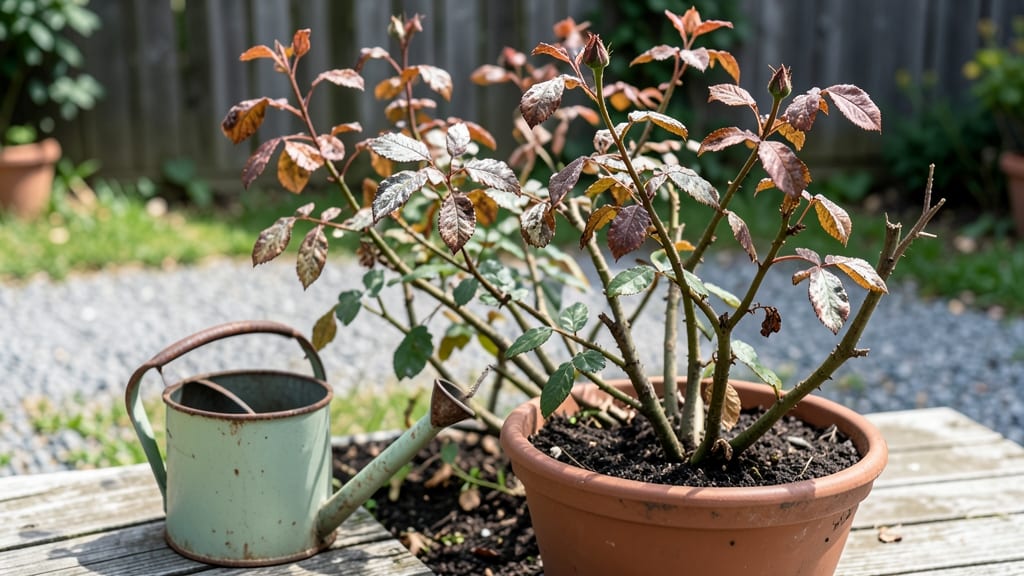
Sunburned rose 🌹 leaves are a common but often overlooked issue that can weaken your plants if not addressed quickly.
When your rose leaves turn crispy and yellow from sunburn, it’s not just an aesthetic problem—it can kill your plants if ignored. But with the right recovery tricks, you can revive your roses faster than you think.
Most gardeners assume sunburn is just a summer nuisance, but the truth is, it happens when roses get too much direct sunlight too fast, especially after being planted in spring. The good news? You can turn things around with simple adjustments to watering, shading, and care.
In this guide, I’ll walk you through how to spot sunburn early, treat it effectively, and keep your roses thriving long-term—so you can enjoy healthy blooms all season.
How to identify and treat sunburned rose leaves immediately
Sunburned rose leaves look like they've been kissed by a heatwave, but don't panic—your roses can bounce back with quick action. The key is recognizing the severity of damage and acting fast to prevent permanent harm.
Sunburn usually appears as white or yellow patches on leaves, often on the edges or upper surface, where sunlight is most intense.
First, check for curled edges or a papery texture—these are classic signs of sun stress. If the leaves feel dry and crispy to the touch, your roses are in distress.
The good news? Mild sunburn is often reversible with the right care, while severe cases may require more aggressive treatment to save the plant.
🌹 Step-by-Step Sunburn Recovery for Roses
-
Step 1: Diagnose the Damage
Check for white/yellow patches (mild) or brown, crispy edges (severe). Mild sunburn may only affect leaf edges, while severe damage can spread to entire leaves.
-
Step 2: Prune Damaged Leaves
Use sterilized pruners to remove only the sunburned leaves. Avoid cutting healthy growth—this helps the plant focus energy on recovery.
-
Step 3: Provide Immediate Shade
Move potted roses to partial shade or use shade cloth (30-50%) for outdoor plants. Avoid full sun for 3-5 days to prevent further damage.
-
Step 4: Hydrate Deeply
Water deeply at the base (1-2 gallons per plant) in the early morning. Avoid wetting leaves to reduce fungal risks. Mulch with 2-3 inches of organic mulch to retain moisture.
-
Step 5: Apply Foliar Spray
Mix 1 tsp baking soda + 1 quart water (add a drop of dish soap as a surfactant). Spray leaves lightly in the morning to reduce stress and protect against further sun damage.
-
Step 6: Monitor for Improvement
Watch for new green growth within 7-10 days. If leaves continue to wilt or turn brown, the damage may be too severe, and you may need to prune the entire stem.
After treating sunburn, gradual acclimation is critical. If your roses were suddenly exposed to intense afternoon sun, ease them back into full sun over 7-10 days. Start with morning sun only, then slowly increase exposure to avoid recurrence.
For severe sunburn cases, consider applying a commercial rose revitalizer (like Fish Emulsion) to boost recovery. These products provide essential nutrients that help damaged plants heal faster. Just avoid fertilizing during the first 2 weeks of treatment—focus on hydration and shade first.
Prevent future sunburn by mulching heavily (3-4 inches) to keep roots cool and watering deeply in the morning. If your roses are in a hot, dry climate, consider installing drip irrigation to maintain consistent moisture without wetting foliage.
Remember, roses are resilient! With prompt action and the right care, your sunburned leaves can recover enough to support new, healthy growth within weeks. Keep an eye on your plants, and don’t hesitate to adjust their environment if symptoms return.
Long-term recovery strategies for sun-damaged roses
Once your roses survive the initial shock of sunburned leaves, the real work begins. Long-term recovery focuses on rebuilding their resilience so they can bounce back stronger. Start by improving their root health—sunburn weakens roots, making them more vulnerable to stress.
I’ve found that organic soil amendments like compost or well-rotted manure work wonders by replenishing nutrients lost during damage.
Your next move should be adjusting the watering schedule. Overwatering stressed roses can drown their roots, while underwatering causes further dehydration. Aim for deep watering in the morning—about 1-2 gallons per plant—to encourage strong root growth without fungal risks.
Mulching with 2-3 inches of organic mulch (like straw or wood chips) helps retain moisture and regulates soil temperature.
Organic vs. Chemical Recovery Treatments
Organic Treatments
- 🌱 Compost tea boosts microbial activity
- 🌱 Fish emulsion adds nitrogen for recovery
- 🌱 Neem oil spray protects from pests
- 🌱 Mulch retains moisture and cools roots
✅ Safe for all plant types
✅ Improves soil long-term
✅ No chemical residue
Chemical Treatments
- 🧪 Fungicides (e.g., copper-based) for fungal risks
- 🧪 Synthetic fertilizers (e.g., 10-10-10) for quick nutrient boost
- 🧪 Anti-transpirants reduce water loss
⚠️ Faster results but riskier
⚠️ Can harm soil over time
⚠️ Requires careful use
Gradual sun exposure is key to preventing relapse. If your roses were suddenly moved to full sun, ease them back by providing partial shade (like a 30% shade cloth) for a few hours daily.
Over 2-3 weeks, slowly increase their sun time to avoid repeat damage. I’ve seen roses recover beautifully when given this gentle transition—patience pays off!
For foliar health, apply a foliar spray every 7-10 days using a mix of seaweed extract (for stress relief) and hydrogen peroxide (3%) (to disinfect). This combo strengthens cell walls and helps damaged leaves recover faster. Spray in the early morning to avoid evaporation and fungal growth.
Finally, prune strategically—remove only the most severely damaged leaves to avoid shocking the plant. Focus on new growth by cutting just above a healthy bud. This encourages your roses to redirect energy into recovery rather than maintaining dead tissue.
I’ve noticed that roses pruned this way often produce more blooms in the next season!
With these long-term strategies, your sunburned roses can make a full comeback. Consistency is key—stick with the routine for at least 8-12 weeks to see the best results. Your garden will thank you with lush, resilient roses that can handle future sun exposure like a pro! 🌹