
Shrubs
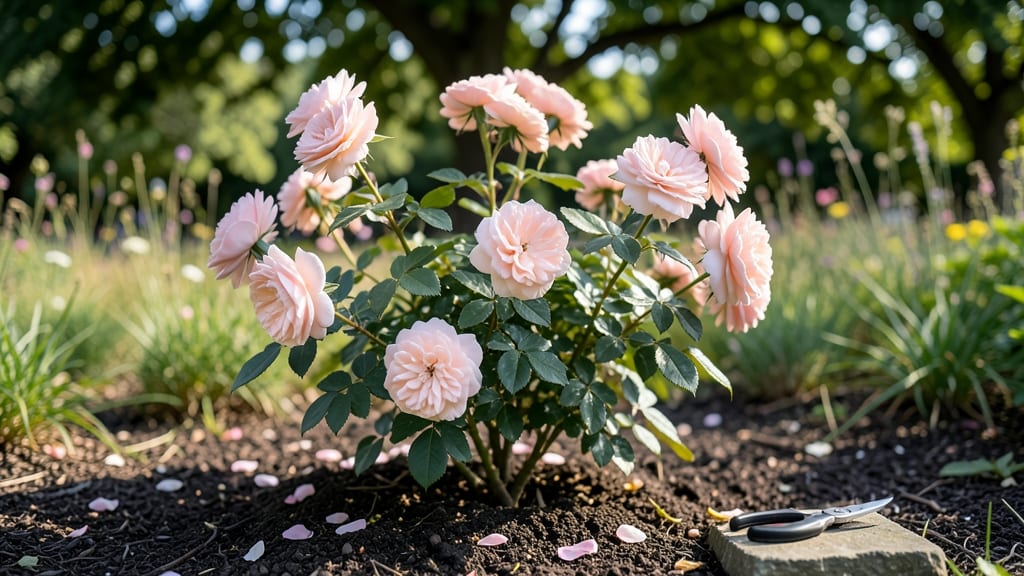
Nothing says romance like the Tiffany Hybrid Rose—velvety pink blooms that smell like a spring garden and keep producing all season. 🌹 I’ve grown this variety for years, and the secret to its nonstop flowers isn’t complicated: it’s pruning at the right time and giving it the perfect container home.
Most gardeners overlook how much pruning style affects blooming, but with this rose, timing is everything.
This rose thrives in full sun and well-draining soil, but its real magic happens when you prune it three times a year—once in early spring, again after the first flush of blooms, and a light trim in late summer.
The result? Clusters of 20-30 blooms per stem that last for weeks, with that signature tea-rose fragrance that lingers in the air. It’s disease-resistant too, so you’ll spend less time spraying and more time admiring.
What makes this variety special is how well it handles containers—5-gallon pots work perfectly, and you can even grow it in hanging baskets for a cascading display.
The blooms stay vibrant longer than most hybrid teas, and the plant itself stays compact, making it ideal for patios, balconies, or small gardens. Just avoid crowded spaces, and you’ll get bushes that look like they cost hundreds instead of $20 at the nursery.
The key to container success? Balanced feeding—use a slow-release fertilizer in spring and supplement with liquid feed every 4-6 weeks during bloom season. And here’s the pro tip: Deadhead spent blooms religiously to encourage more flowers.
Once you master this routine, you’ll have a rose that blooms nonstop from early summer until frost—and neighbors will ask for cuttings.
📚 In This Guide
- What you need
- Instructions
- Tips and common mistakes
- Wrapping up and next steps
What you need
- ● Tiffany Hybrid Rose Bush: 1 healthy, disease-resistant bare-root or potted plant (check for Rosa 'Tiffany' label).
- ● Container: 1 large pot (18–24" diameter) with drainage holes. Pro tip: Terracotta or fabric pots work best!
- ● High-Quality Potting Mix: 1 bag (10–15 gallons) of well-draining mix (e.g., 60% potting soil + 30% perlite + 10% compost).
- ● Slow-Release Fertilizer: 1 lb of rose-specific granules (12–14–12 NPK ratio) or organic options like fish emulsion.
- ● Pruning Tools: 1 pair bypass pruners (sharp, clean, and sterilized with rubbing alcohol).
- ● 1 pair long-handled loppers (for thicker stems).
- ● Mulch: 2–3 inches of organic mulch (e.g., shredded bark or straw) to retain moisture.
- ● Watering Can or Hose: With a gentle spray nozzle (avoid overhead watering to prevent disease).
- ● Container Elevator: For better drainage and airflow (e.g., a saucer or gravel tray).
- ● Epsom Salt: 1 tbsp per gallon of water (monthly feed for magnesium boost).
- ● Rose Food Spikes: 2–3 spikes for slow-release nutrients during blooming season.
- ● Support Stakes or Trellis: To train vines and improve airflow (especially for heavy blooms!).
- ● Fungicide Spray: Copper-based or neem oil (preventative measure for powdery mildew).
Step-by-Step pruning blueprint for Tiffany Hybrid roses in containers
Here’s how I keep my Tiffany Hybrid Roses blooming nonstop—proven techniques that work in any patio pot.
✂️ Step 1: Understand the Tiffany’s Growth Habit
The Tiffany Hybrid Rose thrives on precision pruning, unlike many climbers. It blooms on new wood, meaning you’ll encourage fresh growth by cutting back strategically. Start by identifying last year’s growth—these are the thicker, woody stems. Any stems thinner than a pencil are this year’s growth, which you’ll protect during pruning.
Use clean, sharp pruners (never hedge clippers—they crush stems). Sterilize them with rubbing alcohol before cutting to prevent disease. Look for buds along the stems; these are your growth points. The Tiffany responds best when you cut just above a bud at a 45-degree angle, about ¼ inch above it. This ensures water runs off the cut and new growth emerges from the bud.
✂️ Step 2: First Major Prune After Initial Blooms
After the first flush of blooms in early summer, cut back one-third of the plant’s height—but only on older wood. Focus on stems that are thicker than a pencil and have fewer buds. This forces the plant to redirect energy into new, vigorous growth that will produce more blooms later in the season.
Remove any crossing or rubbing branches first—these weaken the plant and invite disease. Then, prune dead or diseased wood down to healthy tissue. Leave 3-5 strong canes per plant; these will support the next wave of blooms. The Tiffany’s compact habit means you won’t need to prune as aggressively as larger roses, but precision matters.
✂️ Step 3: Light Pruning Between Blooming Cycles
Every 4-6 weeks, give your Tiffany a light maintenance trim. Cut back spent blooms (deadhead) by removing the stem just above the first set of five leaves below the bloom. This encourages the plant to produce new side shoots that will turn into more flowers.
Watch for suckers—these are shoots growing from the base or along the stem. Remove them immediately; they drain energy from the main plant. If a stem grows too leggy (long and weak), prune it back by half to promote bushier growth. The Tiffany rewards patience—consistent light pruning keeps it compact and prolific.
✂️ Step 4: Late-Season Pruning for Winter Prep
By late fall, when temperatures drop below 50°F, prune back one more time—but this time, focus on air circulation. Cut back one-third of the plant’s height again, but this time, aim to open up the center. Remove any weak or crowded stems to reduce disease risk over winter.
Leave 3-4 strong canes standing; these will carry next year’s blooms. Mulch the base with 2-3 inches of organic mulch (like shredded bark) to insulate roots. In Zone 8 and warmer, the Tiffany can stay in its container year-round. In colder zones, move it to a sheltered spot or wrap the pot in burlap to protect roots from freezing.
⏰ Step 5: Spring Revival Pruning
As soon as you see new growth in early spring, give your Tiffany a final light prune. Remove any dead or damaged wood first. Then, trim back last year’s growth by one-third, but leave at least 3-4 buds on each stem. This ensures the plant has energy to rebound quickly.
Apply a balanced fertilizer (10-10-10) at this time to jumpstart growth. The Tiffany blooms best when it’s well-fed but not overcrowded. After pruning, water deeply to help roots recover. Within 2-3 weeks, you’ll see fresh, vibrant growth—your reward for precise pruning all season.
Tips & tricks for perfect Tiffany Hybrid rose pruning
Precision pruning transforms a Tiffany Hybrid Rose from occasional blooms to a nonstop floral display—here’s how to get it right every time.
Bud Selection is Everything: When pruning in Step 1 and Step 5, always cut just above a bud at a 45-degree angle. This isn’t just about aesthetics—it ensures water runs off the cut and prevents rot. I’ve seen beginners cut too close to the bud, which can kill new growth. Use your pruners to make a clean cut about ¼ inch above the bud, and you’ll see vigorous new shoots emerge within days.
Seasonal Timing Matters: The instructions specify pruning in early summer, late fall, and spring, but timing within those seasons makes all the difference. For the first major summer prune (Step 2), wait until after the initial blooms have faded—this gives the plant energy to redirect into new growth. In late fall (Step 4), prune when temperatures consistently drop below 50°F, but before the first hard frost. This prepares the plant for winter dormancy while leaving enough structure for spring revival.
Tool Maintenance Prevents Disease: I can’t stress this enough: sterilize your pruners with rubbing alcohol before every use, especially when working with roses. The Tiffany’s delicate canes are prone to fungal infections like black spot, and contaminated tools spread disease faster than you’d think. After pruning, wipe down your tools with a clean cloth and store them in a dry place. This single habit has saved my plants from multiple outbreaks over the years.
Mulching Strategy for Winter Survival: The 2-3 inches of organic mulch mentioned in Step 4 isn’t just decorative—it’s insulation. In colder zones, this layer can mean the difference between a plant that freezes back or one that emerges unscathed in spring. I like to use shredded bark because it breaks down slowly, providing long-term protection. For extra security in Zone 7 and below, add a layer of burlap around the pot to shield roots from freezing temperatures.
Pro Tips for Tiffany Hybrid Rose
- Precision pruning transforms a Tiffany Hybrid Rose from occasional blooms to a nonstop floral display—here’s how to get it right every time.
- Bud Selection is Everything: When pruning in Step 1 and Step 5, always cut just above a bud at a 45-degree angle.
- Seasonal Timing Matters: The instructions specify pruning in early summer, late fall, and spring, but timing within those seasons makes all the difference.
Frequently asked questions
Got questions about growing and maintaining your Tiffany Hybrid Rose? You’re not alone! Here are some of the most common queries—plus straightforward answers to keep your blooms thriving.
What’s the best time to prune my Tiffany Hybrid Rose for maximum blooms?
Prune your Tiffany Hybrid Rose in early spring (just as new growth begins) and again after the first flush of blooms in late spring/early summer. Avoid heavy pruning in fall—focus on removing dead or diseased canes. Pro tip: Use clean, sharp shears to prevent damage!
How often should I fertilize my container-grown Tiffany Hybrid Rose?
Feed your rose every 4–6 weeks during the growing season (spring to fall) with a balanced rose fertilizer (10-10-10 or similar). In containers, soil nutrients deplete faster, so don’t skip this step! Reduce feeding in winter unless temperatures stay above 40°F. Flush the soil occasionally to prevent salt buildup.
Can I grow a Tiffany Hybrid Rose in a small pot, or does it need a large container?
Yes, but size matters! Aim for at least a 15–20 gallon container with drainage holes. These roses thrive in pots but need room for roots and airflow. Repot every 2–3 years or when roots circle the container. Add compost or slow-release fertilizer to refresh the soil.
What pests should I watch for, and how do I treat them?
Common pests include aphids, spider mites, and rose slugs. For mild infestations, spray with neem oil or insecticidal soap. Severe cases may need systemic pesticides. Prevent pests by pruning for airflow and removing fallen leaves/debris. Check undersides of leaves regularly!
Do Tiffany Hybrid Roses need winter protection in containers?
In Zone 7 and colder, move pots to a sheltered spot (like a garage or against a south-facing wall) and wrap the container in bubble wrap or straw. Water sparingly in winter to prevent root rot. If temps drop below 20°F, add extra insulation. Mulch the soil surface for extra warmth.
Wrapping up and next steps
The Tiffany Hybrid Rose is a stunning addition to your container garden, offering nonstop blooms with the right care—especially pruning! By following this blueprint, you’ll keep your shrub healthy, lush, and overflowing with vibrant flowers year after year. 🌸
Ready to transform your space? Start small: grab your pruners, review the steps, and give your Tiffany Hybrid a fresh trim this season. With patience and practice, you’ll master the art of pruning—and enjoy a garden that turns heads! 🌿✨