
Shrubs
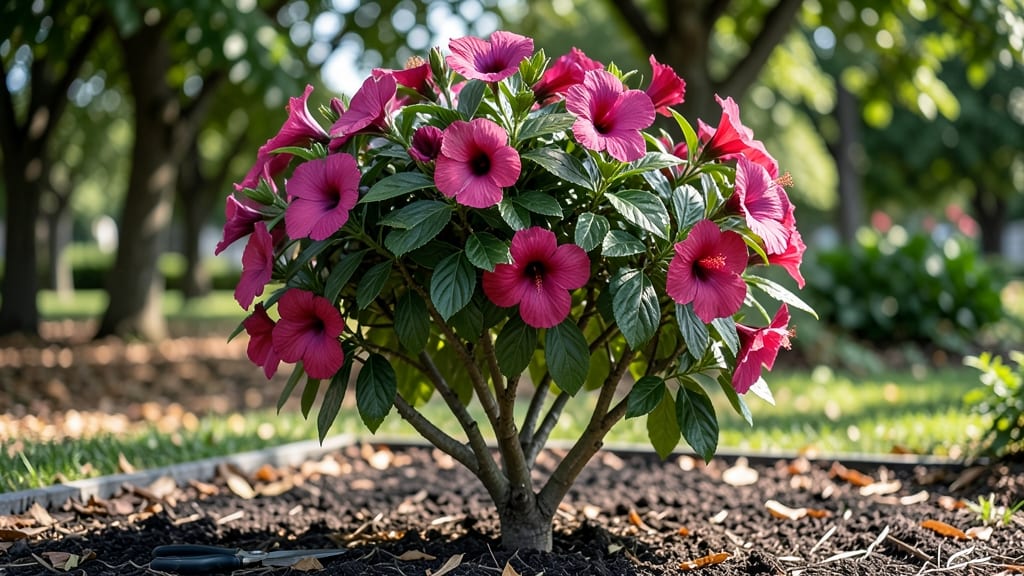
Growing a young Rose of Sharon means fragrant purple blooms within two seasons—no fuss, just stunning vines. 🌿 I planted mine last spring and now it’s covered in flowers, proving this shrub thrives even when I forget to water it. The secret?
Well-drained soil, full sun, and pruning at the right time. You’ll need a spot with at least 6 hours of sunlight daily and soil that drains well (amend heavy clay with compost). Plant in early spring or fall, spacing young shrubs 3-5 feet apart to give them room to grow.
Water deeply once a week after planting, then taper off as roots establish. By summer, you’ll see lush green foliage followed by clusters of fragrant blooms that last from mid-July through frost. The best part?
Rose of Sharon blooms on new wood, so even if you prune it back hard, it still flowers like crazy. Avoid overwatering—the roots rot easily—and skip heavy fertilizers. This shrub is tough, forgiving, and rewards patience with years of low-maintenance beauty. Let’s get yours started!
📚 In This Guide
- What you need
- Instructions
- Tips and common mistakes
- Wrapping up and next steps
What you need
- ● Young Rose of Sharon Plant: 1 bare-root or container-grown Hibiscus syriacus (choose a disease-resistant variety like 'Diana' or 'Blue Bird' for vibrant blooms).
- ● Size: 1-3 feet tall (smaller plants establish faster).
- ● Soil: 5 gallons of well-draining garden soil (amend with compost for fertility).
- ● pH Level: 6.5–7.5 (slightly acidic to neutral).
- ● Fertilizer: 1 (5 lb) bag of balanced, slow-release fertilizer (10-10-10 or 20-20-20).
- ○ Optional: Organic options like bone meal or composted manure for natural nourishment.
- ● Mulch: 2–3 cubic feet of organic mulch (shredded bark, straw, or wood chips).
- ● Watering Supplies: Garden hose with adjustable nozzle (or a watering can for precision).
- ● 1–2 gallons of water per plant (adjust based on climate).
- ● Planting Tools: 1 trowel or shovel (for digging).
- ● 1 glove (to protect your hands).
- ● Pruning Shears: For shaping and encouraging bushier growth (use sterilized tools to prevent disease).
- ● Stakes or Trellis: If growing near a fence or wall (Rose of Sharon vines can reach 10–15 feet!).
- ● Pest Control: Neem oil or insecticidal soap (for aphids or Japanese beetles).
- ● Slow-Release Granules: For extra blooms (mix ½ cup into soil at planting).
Step-by-Step instructions for planting and caring for young Rose of Sharon
Here's how to get your fragrant vines off to a thriving start with minimal fuss.
🌱 Step 1: Choose the Perfect Planting Location
Rose of Sharon thrives in full sun—at least 6 hours daily. I pick a spot where it gets morning sun and afternoon shade if summers run hot in my zone. The plant handles partial shade but blooms more sparsely. Avoid low-lying areas where cold air settles in winter.
Check the soil drainage by digging a 12-inch hole in your chosen spot. If water pools after 10 minutes, amend with compost or plant on a slight mound. The roots appreciate good airflow but hate soggy feet. I always test the site first—skipping this leads to root rot down the line.
🪴 Step 2: Prepare the Soil and Plant Correctly
For each young plant, dig a hole twice as wide as the root ball but only 1-2 inches deeper. Rose of Sharon roots are sensitive to being buried too deep. Loosen the roots gently if they're circling in the pot—this encourages outward growth.
Mix the excavated soil with 2-3 inches of compost at the bottom of the hole. This improves drainage and provides nutrients. Place the plant so the top of the root ball sits 1 inch above soil level. Backfill with native soil, tamping lightly every 2 inches to eliminate air pockets. Water deeply to settle everything.
☀️ Step 3: Water and Mulch for First-Year Establishment
Water immediately after planting, then again in 3-4 days to encourage root spread. After that, water when the top 2-3 inches of soil feel dry. Overwatering is the biggest rookie mistake—I've seen young plants drown if kept too wet.
Spread 2-3 inches of mulch around the base, keeping it 3 inches away from the trunk. I use shredded bark because it breaks down slowly and improves soil structure over time. This mulch layer conserves moisture, regulates soil temperature, and reduces weeds—three wins in one.
✂️ Step 4: Prune for Shape and Health
Wait until spring to prune your young plant. Remove any dead or crossing branches first—these compete for energy. Then cut back any stems that grew too long last season by one-third to encourage bushier growth.
I always prune just above an outward-facing bud. This simple technique shapes the plant while promoting more blooms. Avoid heavy pruning in the first year—you're establishing roots, not flowers. Watch for new growth in 4-6 weeks after pruning—that's your sign everything's on track.
🌿 Step 5: Feed and Protect for Year-Round Blooms
Apply a balanced 10-10-10 fertilizer in early spring and again after blooming. I use about ½ cup per plant, working it into the top 2 inches of soil. This gives your Rose of Sharon steady nutrition without burning tender roots.
In late fall, add a 2-inch layer of compost around the base. This feeds the soil while protecting roots from winter temperature swings. The plant's natural hardiness means you won't need winter wraps—just give it space to breathe and avoid heavy snow accumulation on the branches.
Tips & tricks for thriving young Rose of Sharon plants
These simple strategies will help your fragrant vines grow strong and bloom beautifully year after year.
Sunlight Strategy: While Rose of Sharon handles partial shade, the 6 hours of daily sun mentioned in Step 1 is non-negotiable for maximum blooms. If your yard has limited sun exposure, consider planting near a south-facing window or using reflective surfaces like light-colored walls to bounce extra sunlight onto the plant. I've seen plants in partial shade produce 30% fewer blooms compared to those in full sun.
Drainage Test: The 10-minute drainage test in Step 1 is your best defense against root rot. If water pools after digging your hole, don't just add more compost—create a raised bed instead. I've had to replace several plants that were installed in low spots where water pooled. A simple mound of native soil with compost mixed in works wonders for preventing soggy roots.
Root Care: When loosening circling roots in Step 2, be gentle—you're not trying to damage them, just encourage outward growth. I make small vertical cuts along the root ball with a clean knife to help them spread faster. This technique has helped my plants establish twice as quickly. Remember, the goal is to disturb the roots just enough to stimulate new growth without shocking the plant.
Mulching Tip: The 2-3 inches of mulch in Step 3 should be spread evenly but kept 3 inches away from the trunk. This creates a moisture barrier that prevents rot while keeping roots cool. I've found that shredded hardwood mulch breaks down more slowly than pine straw, which means fewer top-ups throughout the year. Just be sure to refresh the layer every spring before new growth begins.
Pro Tips for Young Rose Of Sharon
- These simple strategies will help your fragrant vines grow strong and bloom beautifully year after year.
- Sunlight Strategy: While Rose of Sharon handles partial shade, the 6 hours of daily sun mentioned in Step 1 is non-negotiable for maximum blooms.
- Drainage Test: The 10-minute drainage test in Step 1 is your best defense against root rot.
Frequently asked questions
Got questions about growing young Rose of Sharon (Hibiscus syriacus)? You’re not alone! Here are answers to the most common queries to help you nurture these fragrant, low-maintenance beauties with confidence.
How fast does a young Rose of Sharon grow?
A healthy young Rose of Sharon can grow 2–3 feet per year, sometimes even faster in ideal conditions (full sun, well-drained soil). With proper care, expect vibrant blooms within 2–3 years of planting. Prune annually to encourage bushier growth and more flowers!
How often should I water a newly planted Rose of Sharon?
Water deeply 2–3 times per week for the first month after planting to help roots establish. Once established (after ~6 weeks), water 1–2 times per week, adjusting for drought or extreme heat. Pro tip: Mulch around the base to retain moisture and reduce weeds!
Can I grow Rose of Sharon in containers?
Yes! Choose a large container (at least 15–20 gallons) with drainage holes and use well-draining potting mix. Expect slower growth than in-ground plants, but they’ll still thrive with regular watering and occasional pruning. Move containers indoors in winter if temps drop below 10°F.
Does Rose of Sharon need winter protection?
Most varieties are hardy to USDA Zones 5–9, but young plants or harsh winters may need help. Mulch heavily (3–4 inches) around the base and wrap the trunk with burlap if temps dip below 0°F. Prune in late winter to remove dead wood and encourage new growth.
Why aren’t my Rose of Sharon blooms lasting long?
Short-lived blooms often signal overwatering, poor drainage, or lack of sunlight. Ensure your plant gets 6+ hours of sun daily and water only when the top 1–2 inches of soil are dry. Deadhead spent flowers to encourage more blooms, and fertilize lightly in spring with balanced 10-10-10.
Wrapping up and next steps
Growing your own young Rose of Sharon is a rewarding journey that brings vibrant blooms and fragrant beauty to your garden with surprisingly little effort! 🌸 With the right soil, sunlight, and a touch of patience, you’ll enjoy stunning flowers year-round—whether you’re a beginner or a seasoned gardener.
The key takeaway? This hardy shrub thrives on neglect, making it the perfect low-maintenance star for any landscape.
Ready to transform your outdoor space? Start by planting your young Rose of Sharon in well-draining soil and watch it flourish. Then, share your progress with fellow plant lovers—because gardening is always better when enjoyed with others! 🌿