
Planting
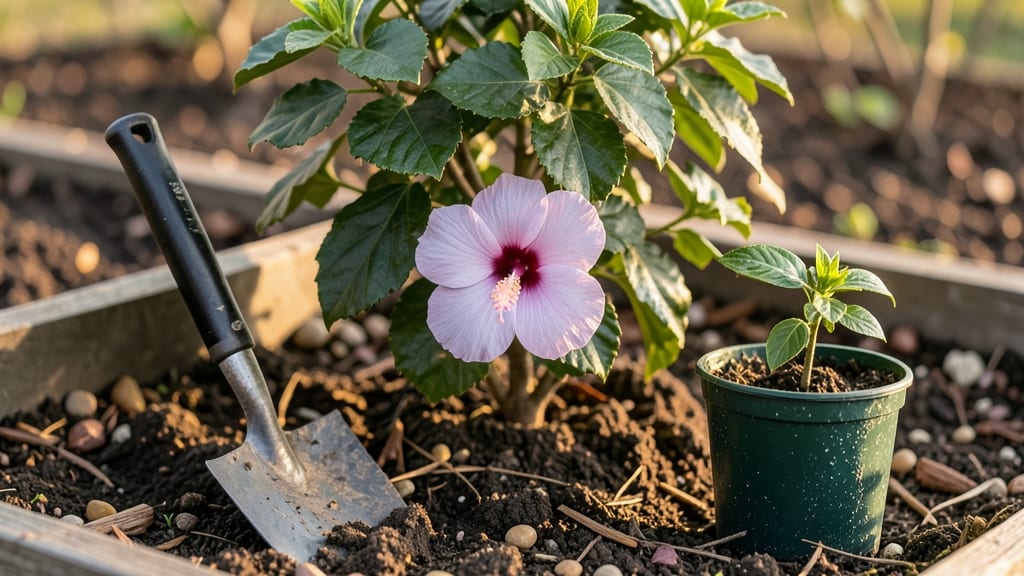
Transplanting a Lenten rose (Helleborus spp.) unlocks its full potential—those nodding blooms that defy winter and perfume the garden from spring to fall. 🌿 I’ve moved mine twice, and the second time, I finally got the timing right: early spring when the soil is workable but before new growth bursts.
The key isn’t just digging up roots; it’s preparing the soil, handling those delicate rhizomes, and giving the plant the perfect spot to settle in without stress.
You’ll need a shovel, compost-amended soil, and a spot with dappled shade—Lenten roses hate baking in full sun. The roots are fibrous but brittle, so tease them gently from the old pot or soil ball, never forcing them.
A root stimulator or diluted seaweed extract at transplanting can cut recovery time in half, and mulch keeps moisture steady while roots establish.
Aftercare is where most gardeners trip up. Water deeply but infrequently—these plants resent soggy soil—and hold off on fertilizer for six weeks to avoid stressing the roots.
Within a month, you’ll see fresh leaves unfurling, and by next spring, your Lenten rose will reward you with even more blooms than before.
Container transplants need extra drainage, and fall moves risk winter stress—stick to early spring for best results. Watch for yellowing leaves or wilting; these are signs of transplant shock, not failure. With patience, your Lenten rose will thrive for decades, blooming earlier and more prolifically than you ever expected.
📚 In This Guide
- What you need
- Instructions
- Tips and common mistakes
- Wrapping up and next steps
What you need
- ● Transplant lenten rose: 1 healthy mature plant (3–5 years old for best results). Choose one with lush foliage and no signs of disease.
- ● Garden trowel or hand fork: 1 medium-sized (6–8" blade) for digging.
- ● Garden gloves: 1 pair (nitrile or leather for durability).
- ● Watering can or hose with gentle spray nozzle: 1 (5-gallon capacity recommended).
- ● Mulch: 2–3 inches of organic matter (e.g., shredded bark, compost, or pine needles).
- ● Well-draining potting mix or native soil: 1 bag (1–2 cubic feet). For heavy clay soil, amend with perlite or coarse sand (1 part perlite to 3 parts soil).
- ○ Slow-release fertilizer: 1 (10–10–10 NPK ratio, 1 lb). Optional but helpful for post-transplant recovery.
- ● Transplanting spade or shovel: For larger root balls (if relocating multiple plants).
- ● Root stimulator: 1 bottle (e.g., Mycorrhizal fungi or seaweed extract) to boost root growth.
- ● Epsom salt: 1 small bag (for magnesium boost; mix 1 tbsp per gallon of water).
- ● Plant support (stakes or cages): If your lenten rose is top-heavy or in a windy area.
- ● Pruning shears: For trimming dead or damaged foliage post-transplant.
Step-by-Step instructions for transplanting Lenten rose
Here’s how I move these fragrant beauties without shocking their roots or sacrificing next year’s blooms.
🌱 Step 1: Choose the Right Time and Prepare the New Location
Transplant your Lenten rose in early spring after the last frost date but before new growth begins. This gives roots time to establish before summer heat arrives. I always check my local frost date and mark the calendar—transplanting too early can expose tender roots to cold, while waiting too long stresses the plant.
Pick a spot with morning sun and afternoon shade—Lenten roses tolerate heat better when protected from midday intensity. The new location should have well-draining soil (they hate soggy roots) and 6 inches of organic mulch (like shredded bark) to retain moisture and regulate temperature. If your soil is heavy clay, amend it with compost or peat moss before planting.
✂️ Step 2: Dig the Hole and Prune for Better Root Growth
Dig a hole twice as wide as the root ball but only as deep as the container’s drainage holes. Lenten roses resent being buried too deep, which can suffocate roots. I always loosen the sides of the hole with a trowel to prevent compacting the soil around the roots later.
Before transplanting, trim one-third of the oldest stems at the base to encourage bushier growth. Use clean, sharp pruners and make cuts just above a leaf node or bud. This reduces stress from root disturbance while promoting new blooms. Water the plant 24 hours before moving to keep roots pliable and less likely to break.
🪴 Step 3: Move the Plant and Backfill Carefully
Gently remove the rose from its container, supporting the root ball with one hand to avoid tearing roots. If roots are circling the container, tease them apart lightly with your fingers—this prevents girdling as the plant matures. Place the rose in the hole so the top of the root ball sits level with the surrounding soil (not buried deeper).
Backfill with the native soil, pressing lightly to eliminate air pockets but avoiding compaction. Water deeply to settle the soil and eliminate gaps. I always add a 2-inch layer of mulch around the base (but not touching the stem) to protect roots and retain moisture. Avoid heavy mulch like wood chips—Lenten roses prefer lighter, airy coverage.
💧 Step 4: Water and Monitor for Two Weeks
Water thoroughly every 2-3 days for the first two weeks, keeping the soil evenly moist but not soggy. You’ll know you’re doing it right when water drains freely from the bottom of the hole—this prevents root rot. Avoid overhead watering, which can spread fungal diseases. Instead, water at the base using a soaker hose or drip irrigation.
Watch for yellowing leaves or wilting—these are signs of transplant shock. If you see them, reduce watering slightly and ensure the plant gets morning sun to recover. After two weeks, taper off to once-weekly deep watering (unless your area experiences extreme heat). By late spring, your Lenten rose should show new growth and buds forming—that’s your cue it’s thriving!
Tips & tricks for transplanting Lenten roses
Moving your Lenten rose without stressing its roots takes a little finesse—here's how to ensure it thrives in its new home.
Timing is Everything: I can't emphasize enough how critical that 24-hour watering before transplanting is. This isn't just about hydration—it's about making the roots supple enough to handle the disturbance. Think of it like stretching before a workout; it prevents muscle tears. The roots need this time to adjust their moisture levels so they don't snap when you remove the plant. And remember, that early spring window is your golden opportunity—transplanting too late means summer heat stress, while too early risks frost damage.
Root Care Secrets: When you're teasing apart those circling roots in Step 3, don't be afraid to get your fingers in there—gentle but firm pressure works best. I've seen people try to cut roots instead, which can actually cause more damage than good. The key is to spread them out naturally, not force them. And that level planting position? It's not just about aesthetics—buried stems can lead to rot, while stems that sit too high dry out. Use a small stick or level to check before backfilling.
Watering Wisdom: That 2-3 day watering schedule in the first two weeks might seem like a lot, but it's crucial. Lenten roses have shallow root systems that need consistent moisture to recover from transplant shock. Here's my trick: water in the morning so any excess can evaporate during the day, preventing fungal issues. And if you notice water pooling around the base, you're overdoing it—those roots need air too. The goal is damp, not soggy.
Post-Transplant Recovery: Those yellowing leaves you might see aren't necessarily a bad sign—it's actually a normal part of the adjustment period. What you want to watch for instead is wilting that doesn't recover after watering. That's when you know you've got a real issue. And here's a pro move: if your plant looks particularly stressed after transplanting, give it a light foliar spray with water in the evening. It mimics natural dew and helps the plant recover faster.
Pro Tips for Transplant Lenten Rose
- Moving your Lenten rose without stressing its roots takes a little finesse—here's how to ensure it thrives in its new home.
- Timing is Everything: I can't emphasize enough how critical that 24-hour watering before transplanting is.
- Root Care Secrets: When you're teasing apart those circling roots in Step 3, don't be afraid to get your fingers in there—gentle but firm pressure works best.
Frequently asked questions
Got questions about transplanting your Helleborus orientalis (Lenten rose)? You’re not alone! Here are some of the most common queries—plus straightforward answers to keep your plant thriving.
When is the best time to transplant a Lenten rose?
The ideal window is early spring (March–April) or early fall (September–October), when temperatures are mild. Avoid extreme heat or frost—these plants hate stress! If you must transplant in summer, do it on a cool, cloudy day and keep the soil moist for 2–3 weeks afterward.
How long does it take for a transplanted Lenten rose to recover?
Most plants show signs of recovery in 4–6 weeks, but full vigor may take up to a year. Focus on watering deeply 2–3 times per week (unless rain does the work) and avoid fertilizing for the first 6–8 weeks. Patience pays off—these hardy perennials bounce back!
Can I transplant a Lenten rose in full sun? Mine is currently in shade.
Yes, but gradually! Lenten roses prefer partial shade (morning sun, afternoon shade), but if your new spot gets 4+ hours of sun, acclimate it over 2–3 weeks by slowly increasing light exposure. Watch for leaf scorch—if edges brown, move it back to shade temporarily.
What should I do if my Lenten rose’s leaves turn yellow after transplanting?
Yellowing leaves often signal transplant shock or overwatering. First, check the soil—it should be moist but not soggy. If roots look mushy when you gently lift the plant, reduce watering. If leaves are crispy, it’s underwatering or sunburn. Trim damaged foliage and adjust care accordingly.
Are there alternatives if my Lenten rose struggles to bloom after transplanting?
Don’t worry—blooms may take 1–2 years to return after transplanting. To encourage flowers:
- Feed lightly in early spring with balanced fertilizer (10-10-10).
- Ensure well-draining soil (amend with compost if needed).
- Deadhead spent blooms to redirect energy to new growth.
Wrapping up and next steps
Transplanting your Lenten Rose is all about patience, timing, and a little tender love—just like nurturing a new friendship! 🌿 With the right soil, shelter, and seasonal care, this hardy beauty will reward you with fragrant blooms from spring to fall.
Whether you’re moving it to a sunnier spot or simply refreshing its home, remember: healthy roots mean happy flowers.
Now that you’re armed with the know-how, roll up your sleeves and give your Lenten Rose the fresh start it deserves! 🌸 Next, check out our seasonal care guide to keep it thriving year-round—because every gardener’s dream is a plant that keeps giving.