
Flowers
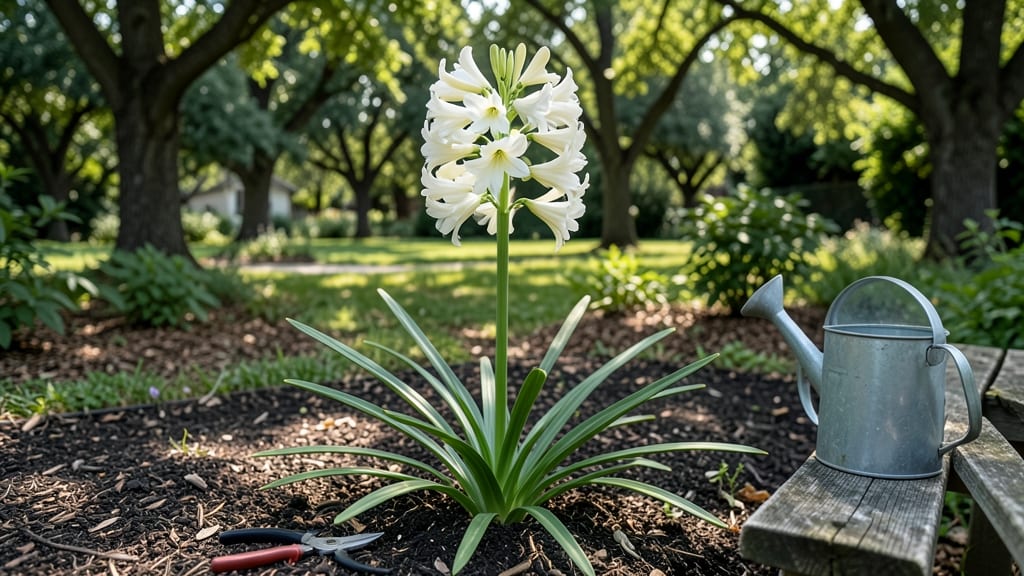
The meaning of tuberose flowers centers on purity, elegance, and profound love, often conveying secret admiration and enduring affection. Their captivating scent elevates them as a top choice for weddings and evening celebrations.
The tuberose's rich symbolism stems from its origins in ancient India, where it was associated with moon worship and nocturnal beauty. 🌙 In Victorian times, these flowers became part of the language of flowers, representing innocence and romantic devotion.
Their velvety petals and intoxicating fragrance—strongest at night—make them perfect for expressing heartfelt emotions without words.
Beyond romance, tuberoses symbolize spiritual enlightenment in some cultures, reflecting their dual nature as both a garden favorite and a sacred flower. The color variations add layers to their meaning: white tuberoses represent purity, while blush tones suggest tenderness and admiration.
Gardeners often pair them with roses or jasmine to create arrangements that tell a complete emotional story.
💡 In This Article
- Historical and Cultural Roots of Tuberose Symbolism
- Best Occasions and Pairings for Tuberose Arrangements
Historical and cultural roots of tuberose symbolism
The tuberose's story begins in ancient India over 2,000 years ago, where it was called "the moon flower" due to its nocturnal fragrance that peaks at night.
Hindu mythology associates it with the moon god Chandra, symbolizing purity and divine love. 🌙 Archaeologists have found tuberose references in Egyptian tombs, where its intoxicating scent was believed to guide souls to the afterlife. This dual role as both romantic and sacred flower created its layered meaning across cultures.
In 19th-century Europe, tuberoses became central to the Victorian "language of flowers," where each bloom carried secret messages. A single white tuberose conveyed innocence, while clusters expressed deep, unspoken affection—perfect for lovers who couldn't speak their feelings openly.
The flower's waxy petals, which unfold only after dark, reinforced its connection to mystery and hidden emotions. 🌸 Unlike day-blooming flowers, tuberoses were seen as symbols of what lies beneath the surface.
The tuberose's journey to Europe began with Spanish explorers who brought it from the Philippines in the 16th century. French perfumers later immortalized its scent in nighttime fragrances, calling it "the queen of the night."
This nocturnal reputation made it especially popular in moonlit garden parties and midnight serenades. The flower's ability to open fully only after sunset gave it a magical quality that still captivates gardeners today.
Modern interpretations blend these ancient meanings with contemporary symbolism. In wedding traditions, tuberoses represent eternal love and fidelity, while in spiritual practices, they're used in meditation to promote calm and clarity.
The flower's dual nature—both romantic and spiritual—makes it uniquely versatile in expressing complex emotions. 💫 Its ability to thrive in both formal arrangements and wild garden settings reflects this adaptability.
Color variations add another layer to tuberose symbolism. Pure white represents innocence and new beginnings, while pale pink hues convey tenderness and admiration. In some Latin American cultures, tuberoses symbolize prosperity, making them popular in business celebrations.
This rich historical tapestry explains why tuberoses remain one of the most emotionally powerful flowers in floral design today.
What makes tuberose particularly fascinating is how its meaning evolved through trade and cultural exchange. From sacred Hindu offerings to Victorian love tokens, each civilization adapted the flower's symbolism to fit their own values. This global journey explains why tuberoses continue to resonate across different cultures and occasions. 🌍