
Blooming
Summer-blooming plants turn your garden into a fragrant, sun-drenched paradise—and I’ve grown the ones that thrive even when temperatures climb. 🌻 From zinnia’s bold pops of color to jasmine’s intoxicating evening scent, these plants don’t just survive the heat; they steal the show.
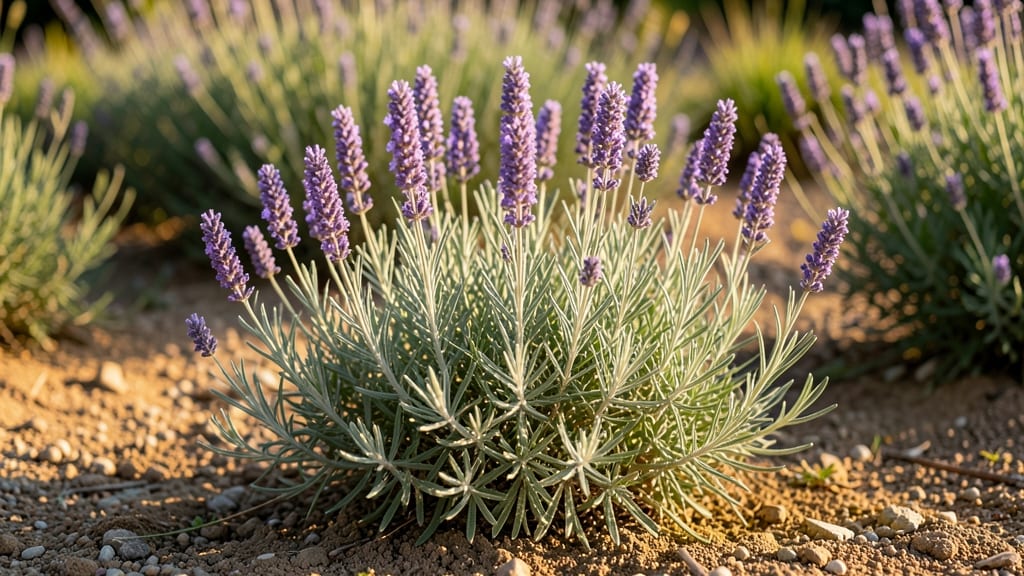
My front yard’s lavender borders attract bees all afternoon, while the morning glories on the trellis wake me up with their cobalt blooms by 7 AM.
What makes these plants special? They’re heat-lovers, not heat-haters—think roses that bloom nonstop, sunflowers that grow taller than me, and shrubs like abelia that perfume the air without fuss.
Most need full sun (6+ hours daily) and well-draining soil, but even beginners can nail their care with basic watering and occasional deadheading. The payoff? A garden that feels like a postcard come to life—vibrant, alive, and impossible to ignore.
Picture containers bursting with geraniums, their red blooms spilling over edges, or perennial salvias swaying in the breeze, their tubular flowers feeding hummingbirds. These aren’t just pretty faces—they’re low-maintenance superstars that fill your space with color from June through September.
Whether you’re lining a walkway, filling window boxes, or creating a pollinator paradise, these plants deliver effortless beauty with minimal work.
Pro tip: Pair heat-tolerant annuals (like zinnias) with perennial workhorses (like coneflowers) for a mix of seasonal punch and year-after-year reliability. And if you’re in a hotter climate?
Opt for drought-resistant varieties—they’ll reward you with blooms even when others wilt. Let’s dive into the top picks that’ll make your summer unforgettable.
Nature’s Summer Bloom Triggers
Summer isn’t just a season—it’s a biological party 🎉, and plants are the guests of honor. But why do so many species burst into color and fragrance when temperatures rise?
The answer lies in a mix of evolutionary strategies, environmental cues, and survival tactics. Let’s break down the science behind summer blooms.
Most summer-blooming plants are long-day plants, meaning they need extended daylight to trigger flowering. As summer solstice approaches, days lengthen, sending a signal to the plant’s phytochrome pigments—light-sensitive proteins that act like biological clocks.
Once daylight exceeds a critical threshold (usually 14+ hours), these pigments activate genes responsible for flower development.
💡 Pro Tip: If you’re growing summer-bloomers indoors, supplement natural light with grow lights (12–16 hours/day) to mimic long-day conditions.
Heat isn’t just a trigger—it’s a catalyst. Many summer flowers, like zinnias and sunflowers, require consistent warmth (typically 70–85°F) to bloom. Cooler springs delay their flowering until soil and air temperatures stabilize. This is why gardeners in colder climates often see summer blooms arrive later.
🌡️ Key Fact: Some plants, like Petunia, need a brief vernalization period (cool exposure) first, then heat to bloom—think of it as their "wake-up call."
While summer droughts might seem counterintuitive, many flowering plants thrive on moderate stress. Reduced water availability can concentrate sugars in stems and leaves, fueling flower production. However, too little water stunts growth entirely—balance is key!
💧 Actionable Tip: Water deeply once a week (or when topsoil is dry) to encourage strong root systems, which support bigger blooms. Mulch helps retain moisture without smothering roots.
Behind the scenes, two plant hormones are pulling the strings:
- Florigen: A mobile signal produced in leaves when daylight peaks. It travels to the plant’s meristem (growth center), flipping a genetic switch to form flowers.
- Gibberellins: These hormones stretch stems and trigger bud opening. Without them, flowers might form but stay tightly closed.
🔬 Fun Science: Researchers once thought florigen was a single molecule—now they know it’s a complex mix of genes and proteins! Think of it as the plant’s "bloom playlist."
Summer’s warm, sunny days aren’t just good for plants—they’re pollinator prime time. Bees, butterflies, and hummingbirds are most active, and plants have evolved to bloom when these helpers are around. Bright colors and sweet fragrances aren’t just for show; they’re advertisements.
🐝 Garden Hack: Plant companion flowers (like marigolds with tomatoes) to attract pollinators and boost fruit/flower production.
Some plants are hardwired to bloom in summer because their ancestors faced seasonal challenges. For example:
- Lavender evolved to bloom in late summer to avoid competing with spring flowers for pollinators.
- Dahlias store energy underground in tubers, then explode into bloom when soil warms.
✨ Evolutionary Insight: These genetic programs ensure survival—even if you move a plant to a new climate, its bloom time may stay "on schedule."
Revive Your Summer Garden Now
If your summer garden isn’t blooming as expected, don’t fret—most issues have simple fixes! Whether it’s underwatering, poor soil, or pests, these solutions will help your seasonal stars shine brighter than ever. Below, we’ll tackle the most common problems and show you how to turn things around—fast.
Summer heat can leave plants parched or drowning in soggy soil. The key? Consistent moisture without waterlogging.
#### 🔥 Cause: Underwatering - Symptoms: Wilting leaves, dry soil, crispy edges. - Solution: - 🍳 Water deeply but less often – Aim for 1–2 inches of water per week (check soil moisture with your finger). - 👨🍳 Mulch like a pro – Spread 2–3 inches of mulch around plants to retain moisture and cool roots. - ⏰ Water early morning – Reduces evaporation and fungal risks. #### 🥘 Cause: Overwatering - Symptoms: Yellowing leaves, mold, root rot. - Solution: - 🔪 Improve drainage – Amend heavy soil with perlite or sand. - 🌡️ Let soil dry slightly between waterings—stick your finger in to test. - ✨ Use drip irrigation – Delivers water directly to roots, avoiding waste.💡 Pro Tip: Group plants with similar water needs together for easier care!
If your summer bloomers look weak or pale, they might be starving for essential nutrients.
#### 🔥 Cause: Lack of Nitrogen (Pale Leaves) - Solution: - 🍳 Feed with a balanced fertilizer (10-10-10) every 4–6 weeks. - 🌿 Try organic options like compost tea or fish emulsion for a natural boost. #### 🥘 Cause: Phosphorus Shortage (Fewer Blooms) - Solution: - 🔪 Switch to a bloom-boosting fertilizer (5-10-10 or higher in phosphorus). - ✨ Add bone meal to the soil for a slow-release phosphorus fix.💡 Pro Tip: Test your soil with a DIY kit before fertilizing—overdoing it can burn roots!
Beetles, aphids, and fungal spots can sabotage your summer display. Act fast!
#### 🔥 Cause: Aphids or Spider Mites - Symptoms: Sticky leaves, tiny webs, wilting. - Solution: - 👨🍳 Blast off pests with a strong spray of water or neem oil. - 🌿 Introduce beneficial insects like ladybugs or lacewings. #### 🥘 Cause: Powdery Mildew (White Fuzzy Coating) - Solution: - ⏰ Prune for airflow – Remove crowded or diseased foliage. - 🔪 Spray with baking soda mix (1 tsp baking soda + 1 quart water + a drop of soap).💡 Pro Tip: Inspect plants daily during peak blooming season—early detection saves the day!
Some plants wilt in extreme heat, even with proper water. Shield them with these tricks:
- 🍳 Provide afternoon shade – Use shade cloth or move pots to a sunnier morning spot. - 🌿 Mist leaves (early morning only) to cool them down. - ✨ Choose heat-tolerant varieties like lantana, zinnias, or black-eyed Susans for next season.With these fixes, your summer garden will be bursting with color and fragrance in no time! 🌸🌼 For long-term success, rotate crops, mulch regularly, and monitor pests—your blooms will thank you.
Frequently asked questions
Which summer-blooming plants attract the most pollinators?
Look for bee magnets like coneflowers, black-eyed Susans, and lavender—they’re packed with nectar and pollen. Zinnias and sunflowers also draw hummingbirds and butterflies, while morning glories (vines) feed daytime pollinators. For maximum buzz, plant these in clusters near your veggie patch!
Can I grow summer flowers in containers or just in gardens?
Many summer stars thrive in pots—try geraniums, petunias, or lantana in 10-inch+ containers with drainage holes. For heat lovers, choose shallow-rooted varieties like marigolds or snapdragons. Just ensure they get 6+ hours of sun and water frequently (containers dry out faster).
Why do some plants bloom all summer while others fade quickly?
Perennials like roses or salvias bloom repeatedly because they’re self-sustaining—their roots store energy. Annuals (e.g., zinnias) may fade if you don’t deadhead spent blooms (cutting them encourages new growth). Heat also plays a role: Dahlias wilt in extreme temps, while portulacas thrive in drought.
What’s the easiest summer-blooming plant for beginners?
Marigolds and sunflowers are foolproof—drop seeds in soil, water occasionally, and watch them grow! Petunias also require minimal effort (just prune leggy stems). For zero-maintenance, try lantana—it blooms nonstop with almost no care and repels pests. All three tolerate heat and drought once established.
How do I extend summer blooms into early fall?
Deadhead regularly to remove faded flowers, and fertilize lightly with phosphorus-rich food (like 5-10-10) every 4–6 weeks. For heat-sensitive plants, provide afternoon shade in late August. Choose late-season bloomers like asters or goldenrods**—they naturally extend the show until frost!