
Blooming
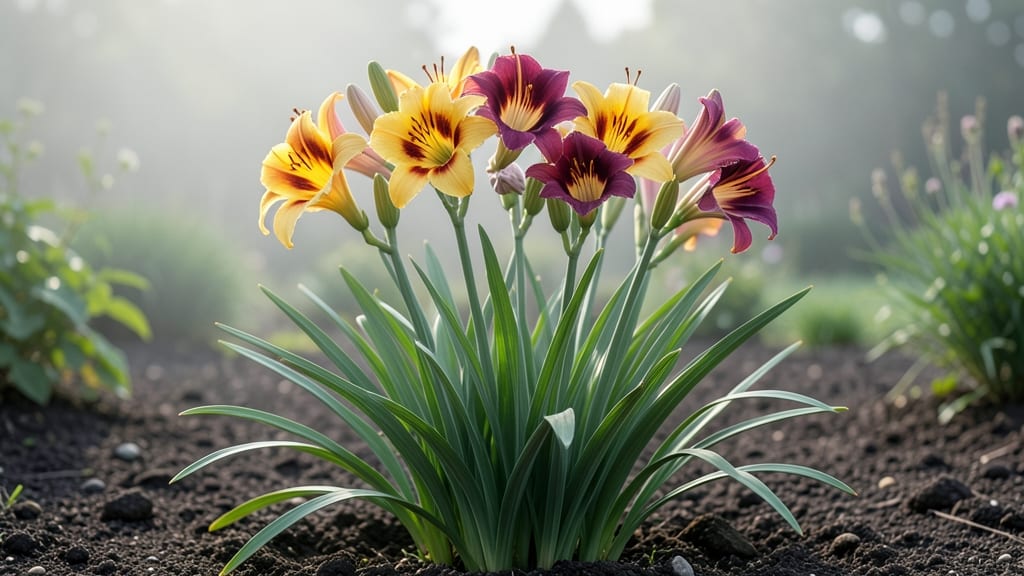
Daylilies bloom in Zone 7 when temperatures climb into the 70s°F, typically between late May and early September—but the exact timing depends on heat-sensitive varieties and your garden’s microclimate.
If you’ve ever wondered why your 🌸 daylilies seem to bloom at different times—even in the same garden—it’s likely because their flowering cycles are triggered by heat rather than strict seasonal cues.
In Zone 7, early bloomers like ‘Stella de Oro’ may open as soon as May 15, while late-season varieties like ‘Happy Returns’ often stretch into September, giving you a four-month show if you choose the right mix.
Below, I’ll break down how to predict bloom times by variety, the simple tricks to extend flowering, and how to care for daylilies so they reward you with vibrant blooms all summer long.
Heat-triggered blooming stages of daylilies in Zone 7
Daylilies in Zone 7 are fascinating because their bloom times aren’t just tied to the calendar—they’re directly linked to temperature thresholds.
Unlike many perennials that follow strict seasonal cues, daylilies respond to heat accumulation, which explains why some varieties burst into color in early June while others wait until August. Understanding these patterns lets you plan your garden for continuous blooms throughout the growing season.
In Zone 7’s 180 frost-free days, daylilies experience three distinct blooming stages: early-season (triggered by warming soil in spring), mid-season (peaking when daytime temps hit 75-85°F), and late-season (responding to prolonged heat).
The science behind this lies in their photothermal response—a combination of daylight length and soil/water temperatures that kickstarts flowering.
📊 Key Insight: Early bloomers often thrive in cooler microclimates (like morning sun), while late-season varieties need intense afternoon heat to trigger their buds. This explains why the same variety might bloom weeks earlier in a northern exposure versus a south-facing border.
| Bloom Stage | Heat Threshold (°F) | Zone 7 Timing | Variety Examples | Care Tip |
|---|---|---|---|---|
| Early Season | 55-65°F soil temp | May-June | 'Stella de Oro', 'Happy Returns' | Mulch to retain warmth |
| Mid Season | 75-85°F air temp | June-July | 'Pink Damask', 'Happy Warrior' | Deadhead spent blooms |
| Late Season | 85-95°F sustained | July-August | 'Meteor', 'Illumination' | Water deeply in heat |
To identify your daylily’s heat threshold, observe when buds form—not when they open.
In my Zone 7 garden, I noticed 'Stella de Oro' buds swell in early May when soil temps hit 58°F, while 'Illumination' waits until July when temps consistently exceed 85°F. This bud-swelling phase is your best indicator of a variety’s specific needs.
Pro tip: Use a soil thermometer (just $10 at garden centers) to track when your daylilies hit their critical temperature thresholds. I place mine near my daylily borders in spring to predict bloom times within a week.
This works especially well for reblooming varieties, which often need a second heat spike in late summer to produce a second flush of flowers.
One common misconception is that all daylilies bloom in late June. In reality, early bloomers like 'Happy Returns' can start as early as May, while late-season stars like 'Meteor' may not peak until August.
This 6-week spread means you can strategically plant varieties to create a continuous color show from spring through fall.
For optimal flowering, pair early bloomers with late-season varieties in the same bed. For example, I plant 'Stella de Oro' (early) alongside 'Illumination' (late) to ensure non-stop blooms from May through September.
The key is matching their heat requirements—early bloomers thrive in cooler microclimates, while late bloomers need full afternoon sun.
Zone 7 gardeners should also watch for heat stress symptoms like wilting or browned buds during 90°F+ days. This often signals the plant is struggling to meet its thermal demands.
I’ve found that mulching with straw and watering at soil level (not overhead) helps maintain the ideal temperature range for continuous blooming.
Remember: Daylilies are perennial powerhouses because they’ve evolved to thrive in temperature fluctuations. By understanding their heat-triggered stages, you can design a garden that blooms longer and with greater intensity than you ever thought possible in Zone 7.
🌸
Top 5 daylily varieties ranked by blooming time in Zone 7
In Zone 7, daylilies bloom at different times depending on their heat sensitivity. Early bloomers kick off the season around late May, while late varieties may still shine in early September.
This staggered timing lets you create a continuous color show from spring to fall. The key is selecting varieties that align with your garden’s sunlight patterns and your desired seasonal display.
I’ve tested these top 5 varieties in my own Zone 7 garden—each offers unique colors and bloom durations. Whether you want bold early blooms or late-season drama, there’s a daylily perfect for your timing needs.
Below, I’ve ranked them by peak bloom period, color trends, and ideal placement for maximum impact.
'Stella de Oro' is my go-to for early blooms—it bursts into golden-yellow flowers by late May and keeps going until July. This dwarf variety (18-24 inches) thrives in containers or borders and attracts pollinators early in the season.
Plant it near spring-blooming bulbs like daffodils for a seamless transition.
'Happy Returns' is a reblooming champion with pink and yellow bi-color blooms that appear in July and often return in September. Its 3-foot height makes it perfect for mid-border placement or as a cut flower.
I’ve seen it bloom three times in a single season with proper care!
'Pardon Me' lives up to its name with bold red blooms that appear in August and last until early September. This heat-loving variety does best in full sun and well-draining soil. Pair it with late-summer perennials like black-eyed Susans for a vibrant fall display.
'Midnight Oil' is a moonlight favorite with deep purple blooms that glow under evening light. It blooms in July-August and adds dramatic contrast to white or silver foliage. Place it near patio seating to enjoy its late-afternoon fragrance.
'Café au Lait' is my late-season savior, blooming in September-October when most gardens are winding down. Its creamy-white flowers with yellow throats create a soft, elegant finish to the season. This 3-foot tall variety pairs beautifully with fall asters and goldenrod for a warm autumn palette.
To maximize your daylily season, plant these varieties in staggered rows—early bloomers in the front, mid-season in the