
Blooming
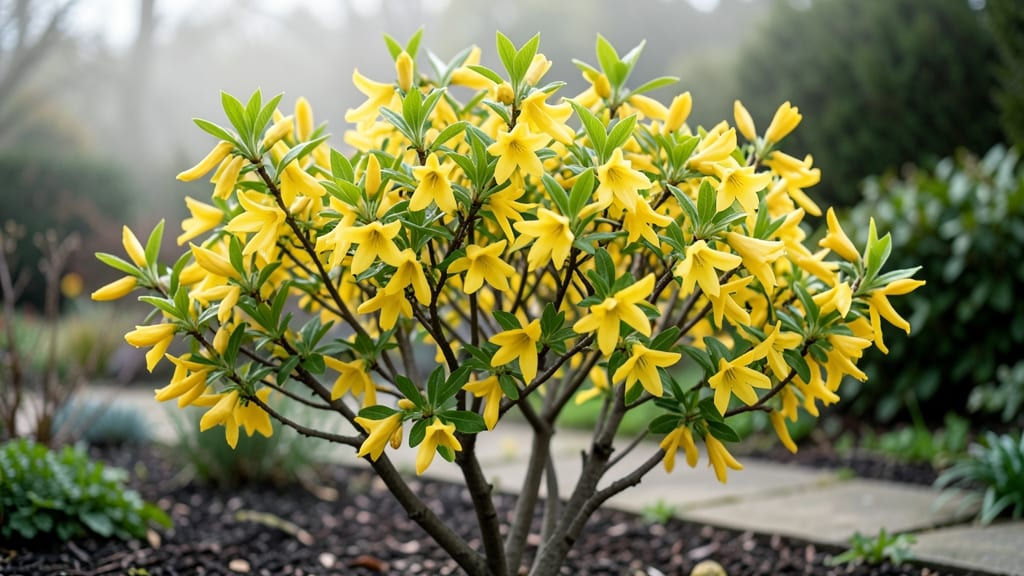
Forsythia blooms in Zone 7 typically between late February and early April, when those bright yellow flowers 🌸 transform your garden into a burst of spring color.
If you’ve ever wondered why your forsythia shrubs seem to bloom at different times—or how to coax them into a longer, more vibrant display—Zone 7’s unique climate holds the key.
Timing isn’t just about admiring those cheerful blooms; it’s about strategic planning. Knowing when your forsythia will bloom helps you schedule landscaping projects, enjoy seasonal color, and even adjust pruning to extend the flowering period.
In this guide, I’ll break down the exact bloom windows for Zone 7, share how temperature fluctuations can shift your forsythia’s schedule, and reveal the simple pruning tricks that keep those flowers coming for weeks longer.
Forsythia bloom timeline in Zone 7: what to expect each year
In Zone 7, your forsythia shrubs typically burst into color between late March and April, but exact timing depends on local microclimates and temperature fluctuations. These early bloomers often signal the arrival of spring, with their bright yellow flowers appearing before many other garden plants.
Understanding this bloom timeline helps you plan pruning, landscaping, and seasonal care for maximum impact.
Zone 7’s mild winters and variable spring temperatures create a unique window for forsythia blooms. While most shrubs flower between March 20 and April 15, early bloomers may appear as soon as late February in warmer microclimates, while late bloomers might wait until mid-April.
This variability makes timing your pruning schedule and fertilizer applications especially important.
Local factors like elevation, proximity to water bodies, and urban heat islands can shift bloom dates by 1-2 weeks. For example, forsythias in Raleigh, NC often bloom 2-3 days earlier than those in Lexington, KY due to warmer nights. Pay attention to your specific microclimate to predict when your shrubs will peak.
Here’s a summary of forsythia bloom stages in Zone 7, including how temperature trends influence timing:
The first frost date in Zone 7 (around October 15) marks the end of the growing season, but forsythias are already preparing for dormancy by late summer. Their bud formation in August is critical—this is when next year’s yellow blooms are determined.
If you notice fewer buds in late summer, it may signal stress from drought or poor soil nutrition.
To predict your forsythia’s bloom schedule, track local temperature trends for the past 3 years. For example, if your area had an early spring in 2023 (like March 10 blooms), expect a similar pattern unless winter conditions change.
Use a garden journal to note bloom dates, soil temps, and nearby weather events like heatwaves or late frosts.
If your forsythia blooms too early (before March 15), it may be responding to unseasonably warm winters or urban heat islands. To delay blooming slightly, avoid heavy fertilizer applications in late winter and prune lightly to reduce stress.
Conversely, late bloomers (after April 1) often result from cool, wet springs or shady microclimates.
For maximum bloom impact, plan your landscape design around forsythia’s peak bloom window. Pair it with early spring bulbs like daffodils or late-winter bloomers such as hellebores to create a sequential color display. In Zone 7, this means March-April
Pruning forsythia for extended blooms: the Zone 7-Specific guide
Forsythia shrubs in Zone 7 burst into vibrant yellow blooms each spring, but many gardeners miss the secret to prolonging that display. The key lies in timing your pruning—cutting at the wrong time can actually shorten your bloom season.
In Zone 7, where winters are mild and springs arrive gradually, understanding the bloom cycle is everything. I’ve learned that pruning too late or too aggressively can leave your forsythia looking bare just when it should be in full glory.
Most gardeners assume forsythias bloom in late March or April, but in Zone 7, the actual window can stretch from mid-March to early May, depending on your microclimate.
Warmer microclimates near cities or south-facing slopes may see blooms as early as February, while cooler pockets might delay them until April. This variability is why pruning strategy becomes critical—get it right, and you’ll enjoy those cheerful flowers for 3-4 weeks instead of just 2.
⚠️ WARNING: Pruning at the Wrong Time Can Kill Next Year’s Blooms ⚠️ Forsythias bloom on old wood, meaning their flower buds form on the previous year’s growth. If you prune after the blooms fade but before late June, you risk cutting off next year’s buds.
In Zone 7, where the growing season extends into October, this window feels longer than in colder zones—but it’s still tight. The safest time to prune is right after blooming (late April to early May) or in late winter (February) before buds swell.
Never prune in summer or early fall, as this encourages tender new growth that won’t survive Zone 7’s occasional late frosts.
For extended blooms, I recommend a two-step pruning approach. First, do a light cleanup prune in late winter (February) to remove any dead or crossing branches. This stimulates airflow and sets the stage for healthier growth.
Then, after the forsythia finishes blooming (typically late April to early May in Zone 7), perform a rejuvenation prune. Cut back 1/3 of the oldest stems to the ground—these stems are past their prime and won’t produce as many flowers.
This method encourages new, vigorous growth that will bloom more prolifically next year.
Using the right tools makes all the difference. I swear by a sharp bypass pruner for clean cuts and a loppers for thicker stems. Ragged cuts invite disease, and in Zone 7’s humid summers, that’s the last thing you want.
Always sterilize your tools with rubbing alcohol between cuts to prevent the spread of bacterial leaf spot, a common issue in forsythias. After pruning, apply a layer of mulch around the base to retain moisture and regulate soil temperature—critical in Zone 7’s hot summers and mild winters.
One mistake I see often is over-pruning to shape the shrub. Forsythias hate heavy pruning—they’re not like hydrangeas or lilacs that can handle aggressive trimming. If you cut back more than 1/3 of the plant, you’ll sacrifice next year’s blooms.
Instead, focus on selective thinning to open up the center and improve airflow. This not only encourages more flowers but also reduces the risk of powdery mildew, which thrives in dense, shaded foliage—a common problem in Zone 7’s humid climate.
To maximize blooms, pair your pruning with proper fertilization. After your late-winter prune, apply a balanced fertilizer (10-10-10) in early spring to support new growth. In Zone 7, where the growing season is long, a second light feeding in early summer can boost flower production for next year.
Avoid late-summer fertilizing, though—it can stimulate tender growth that won’t harden off before winter. With the right pruning and care, your forsythia can bloom 2-3 weeks longer than average, giving you a head start on spring’s brightest display.