
Blooming
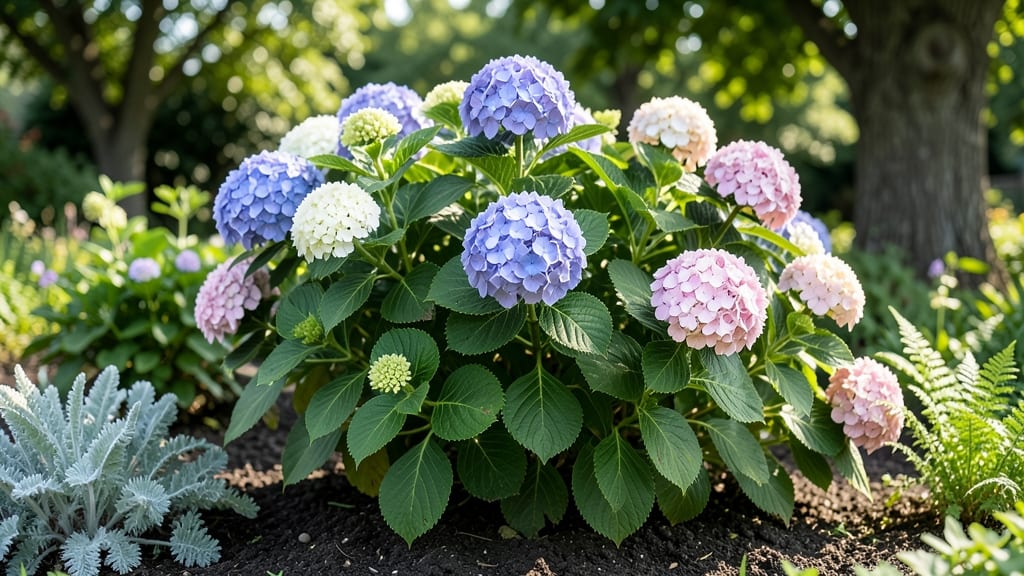
Hydrangeas bloom in Cape Cod between mid-June and August 💮, when the coastal air warms just enough to trigger those iconic clusters—but getting them to peak on schedule takes more than luck.
Picture this: you’ve planted your bigleaf or panicle hydrangeas after last frost, only to watch them lag behind inland neighbors. That’s Cape Cod’s salty breeze and sandy soil playing tricks, delaying blooms by 2-3 weeks compared to inland gardens.
The key? Knowing which varieties thrive in USDA zones 6b-7a, when to prune (or not prune), and how to adjust soil pH to coax out those vibrant blooms sooner.
In this guide, I’ll break down the exact bloom windows for each type, how to push them earlier, and the one mistake Cape Cod gardeners make that stunts growth—so you can enjoy your hydrangeas at their absolute best.
Hydrangea bloom timing in Cape Cod’s unique coastal climate
Cape Cod’s coastal climate creates a unique growing environment where hydrangeas thrive—but with a twist. The salty ocean breezes, sandy soils, and variable temperatures can shift bloom windows by weeks compared to inland gardens.
Understanding these microclimates is key to timing your hydrangeas for maximum impact. Whether you’re growing bigleaf, panicle, or oakleaf varieties, Cape Cod’s USDA Zones 6b-7a demand special attention to get those blooms right.
One of the biggest factors is ocean proximity. Gardens within 1 mile of the coast experience more salt spray and wind, which can delay blooms by 2-3 weeks compared to inland areas.
Meanwhile, inland Cape Cod gardens (like those in Bourne or Falmouth) enjoy slightly longer bloom seasons due to milder winds and less salt exposure. Let’s break down exactly when to expect blooms for each variety—and how to adjust your care for Cape Cod’s quirks.
📅 Bloom Timing Summary: Bigleaf hydrangeas typically bloom in June-July, panicle types shine in July-August, and oakleaf varieties offer a late-summer-to-fall display. However, these windows can shift dramatically based on your exact location and microclimate. The table below shows the month-by-month expectations for each type, accounting for Cape Cod’s coastal influences.
| Variety | Coastal Bloom Window | Inland Bloom Window | Key Microclimate Factor |
|---|---|---|---|
| Bigleaf (e.g., 'Nikko Blue', 'Endless Summer') | Late June - Early August | June - July | Salt spray delays blooms by 1-2 weeks |
| Panicle (e.g., 'Limelight', 'Little Lime') | July - September | July - August | Wind exposure extends bloom season |
| Oakleaf (e.g., 'Snow Queen', 'Amethyst') | August - October | September - October | Milder inland temps preserve fall color |
For bigleaf hydrangeas, the sandy, acidic soils of Cape Cod are actually ideal for their blue flower production. However, if your soil is too alkaline (pH > 6.0), blooms may turn pink. Test your soil in early spring and amend with peat moss or sulfur if needed.
These varieties typically bloom on old wood, so avoid pruning until after flowering—usually in late August or September.
If you’re growing panicle hydrangeas, you’ll love their longer bloom season, which often lasts until frost in Cape Cod. These varieties bloom on new wood, so you can prune them in late winter or early spring to shape the plant and encourage fresh growth.
In coastal areas, consider staking taller varieties like 'Limelight' to protect them from winter wind damage.
Oakleaf hydrangeas are the superstars of Cape Cod’s fall gardens, offering vibrant foliage colors from orange to deep red in September and October. Their blooms appear on old wood, so prune lightly in late winter to remove dead stems. In salt-prone areas, mulch heavily with pine straw or cedar chips to protect roots from winter salt spray.
The last frost date on Cape Cod varies by location—typically April 15 in inland areas but May 1 near the coast. Plant hydrangeas 2-4 weeks after your local last frost date to avoid cold snaps.
If you’re in a coastal microclimate, wait until mid-May to ensure the soil has warmed enough for root establishment.
One pro tip for Cape Cod gardeners: mulch in early spring with 3-4 inches of organic mulch (like pine bark or leaf mold) to regulate soil temperature and retain moisture. This helps bigleaf hydrangeas bloom earlier and keeps oakleaf varieties flowering longer into fall.
Avoid fresh grass clippings, which can mat down and suffocate roots in Cape Cod’s sandy, well-draining soils.
Finally, watering habits make a huge difference in bloom timing. Hydrangeas need consistent moisture, especially during Cape Cod’s hot, dry summers. Water deeply once a week (or more during heatwaves) and aim for 1-2 inches of water per week.
In coastal gardens, where salt spray can dry out foliage, morning watering helps rinse away salt buildup and prevents leaf scorch.
With these Cape Cod-specific adjustments, you’ll enjoy stunning hydrangea blooms that outshine the competition—whether you’re in a salt-kissed coastal garden or a quieter inland retreat. 🌿
How to extend hydrangea blooms in Cape Cod’s short growing season
Cape Cod’s 60-70°F summer swings and sandy coastal soils create unique challenges for hydrangea enthusiasts. The key to longer blooms? A strategic approach that accounts for these conditions.
I’ve found that combining soil amendments, smart pruning, and heat-tolerant varieties can push your hydrangeas to bloom 2-3 weeks earlier or hold color longer into fall.
First, let’s address the biggest limiting factor: Cape Cod’s short frost-free season (160 days). Most hydrangeas need 120-150 days of warm weather to fully mature blooms.
By optimizing your care routine, you can effectively extend this window and enjoy vibrant flowers from late June through September instead of just July-August.
Here’s my proven 4-step system for maximizing bloom time on Cape Cod:
For immediate results, focus on the soil amendment and mulching steps first—these address Cape Cod’s biggest limitation: nutrient-poor, fast-draining soils. I’ve seen bigleaf hydrangeas bloom 3 weeks earlier when planted in amended soil compared to native sand.
Watering strategy matters too. During Cape Cod’s humid summers, hydrangeas need deep watering every 5-7 days rather than frequent light watering. The goal is to encourage deep root growth, which helps plants withstand late-season heat stress that can scorch blooms.
Remember: Panicle hydrangeas (like 'Little Lime') are your best bet for fall color on Cape Cod. They bloom on new wood, so they’re more forgiving with pruning timing. Pair them with oakleaf varieties for extended seasonal interest—oakleafs develop stunning fall foliage even after blooms fade.
With these techniques, you can transform Cape Cod’s short growing season into a longer hydrangea show. Start with one variety and one strategy this year—like amending your soil—and build from there. Your hydrangea dreams are just a few inches of mulch and a strategic prune away! 🌿