
Blooming
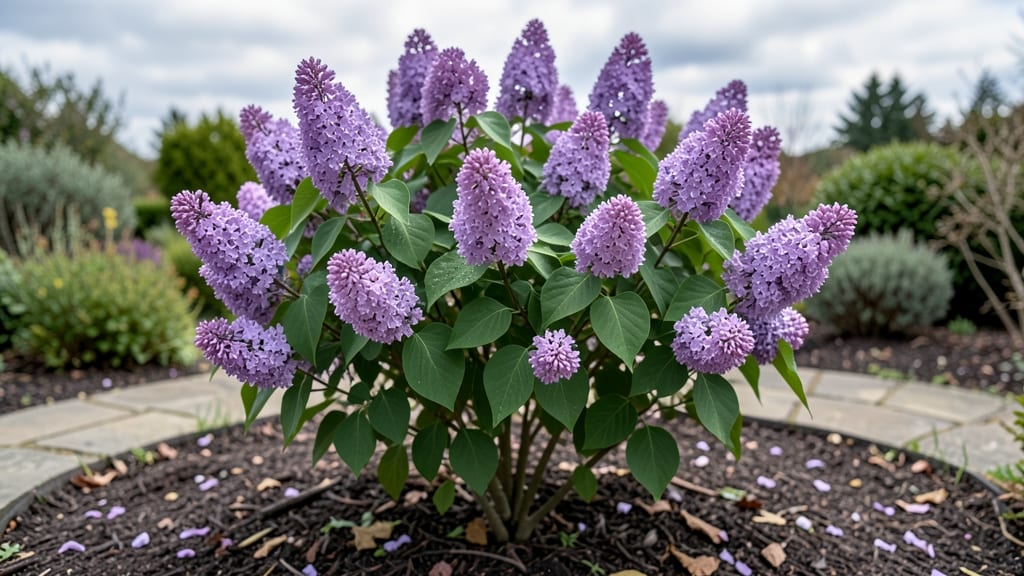
Lilacs in Indiana bloom between mid-April and early May, with exact timing varying by variety and frost patterns. Warmer springs accelerate blooming, while late frosts can damage buds or delay flowering.
Indiana's lilac season unfolds like a natural calendar, with blooms kicking off in southern counties as early as late April and lingering into May in northern regions. 🌸 The state's diverse climate—ranging from USDA Zone 5 in the north to Zone 6 in the south—creates noticeable variations, where a Syringa vulgaris might still be budding when a hardy Syringa meyeri has already finished.
I've noticed that years with early thaws often see blooms starting two weeks ahead of schedule, while late frosts can push timing back or even kill emerging buds entirely.
For gardeners eager to extend the show, strategic pruning and variety selection make all the difference. Pruning right after flowering preserves next year's blooms, while planting a mix of early (Elite) and late-blooming varieties (Katherine Havemeyer) creates a continuous display.
Adding mulch in fall helps insulate roots from temperature swings that can stress plants during critical bloom periods.
💡 In This Article
- Lilac Bloom Timing by Indiana Varieties and Climate Zones
- How to Extend Lilac Blooms in Indiana Gardens
Lilac bloom timing by Indiana varieties and climate zones
Indiana's lilac blooming schedule is heavily influenced by the state's USDA climate zones—Zone 5 in the northern counties (like Lake County) and Zone 6 in the southern regions (such as Vigo County).
In Zone 5, lilacs typically begin blooming around April 25-30, while Zone 6 varieties may start as early as April 15-20. The difference stems from the 10-14 day frost-free window that northern Indiana often experiences later in spring compared to southern areas.
For example, Syringa meyeri (a compact variety) often blooms 7-10 days earlier than Syringa vulgaris (common lilac), thanks to its hardier nature and quicker response to warming temperatures.
Each variety has its own internal clock. The Katherine Havemeyer—a late-blooming cultivar—usually opens its fragrant lavender blooms around May 5-10 in Indiana, while the Elite variety (known for its early bloom time) often starts as early as April 10-15.
The Mme. Lemoine variety falls in between, typically blooming April 20-25. These timelines are based on long-term observations from Purdue University Extension data, which tracks bloom dates across Indiana's microclimates.
What's fascinating is how lake-effect regions (like those near Lake Michigan) can experience 2-3 warmer days per week in spring, accelerating blooms by 5-7 days compared to inland areas.
The science behind these variations lies in lilacs' chilling requirements—they need 500-1,000 hours below 45°F during winter to set buds properly. If Indiana experiences an unusually warm winter (like in 2023-2024), lilacs may produce smaller or fewer blooms because they didn't get enough cold exposure.
Conversely, a cold snap in early April can delay blooming by 1-2 weeks as buds remain dormant. This is why gardeners in northern Indiana often see blooms push into mid-May, while southern Indiana gardens may finish by early May.
Microclimates within Indiana also play a role. Urban areas like Indianapolis (Zone 6a) often bloom 3-5 days earlier than rural areas in the same zone due to the "urban heat island" effect—concrete and buildings retain heat, creating slightly warmer conditions.
Meanwhile, gardens near the Ohio River valley (like in Evansville) may experience earlier blooms by 5-7 days compared to areas 50 miles north, thanks to the river's moderating influence on temperatures. 🌿
For gardeners planning their landscapes, understanding these patterns helps with variety selection and pruning timing. For instance, planting Elite lilacs near a south-facing wall can push blooms forward by 5-7 days, while Katherine Havemeyer thrives in cooler, shaded spots where it blooms later.
The key is matching varieties to your specific microclimate—whether you're in frost-prone northern Indiana or the warmer southern regions.
One often-overlooked factor is soil temperature. Lilacs prefer well-draining soil that warms to 50°F before blooming. In cooler springs, this can delay blooming by 7-10 days even if air temperatures are mild.
Testing soil temperature with a soil thermometer (placed 2 inches deep) can help predict bloom timing more accurately than air temperature alone. This is why some gardeners in northern Indiana see blooms start in late April while others wait until early May—the ground simply wasn't ready yet.