
Blooming
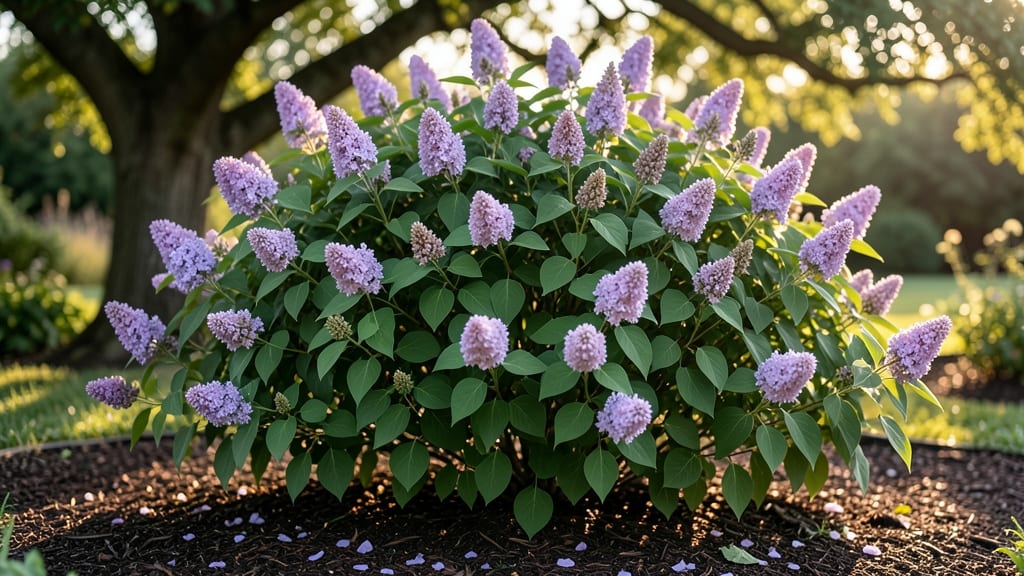
Lilacs bloom in Minnesota typically between late May and early June 🌸, with exact timing depending on frost dates and variety—earlier for hardy types like 'Katherine Havemeyer' and later for late-season stars like 'Purple Splendor'.
If you’ve ever rushed outside only to find your lilacs already fading, you’re not alone. Minnesota’s unpredictable frost patterns can push bloom windows by two weeks or more, leaving gardeners scrambling to catch the show.
The USDA 3b-5b climate zones here mean early bloomers may open as soon as mid-May in sheltered microclimates, while late frosts can delay them until early July in colder pockets. Knowing your last frost date is the key to timing everything right—from pruning to admiring those fragrant clusters.
Below, I’ll break down the exact bloom weeks for popular varieties, how frost timing affects your garden, and three simple steps to extend your lilacs’ show. Ready to plan your best bloom yet?
Lilac bloom timing in Minnesota: exact weeks by popular varieties
Minnesota’s lilac blooms arrive like clockwork each spring, but the exact timing depends on the variety and your USDA Zone (3-5). In Zone 3, lilacs often bloom 2-3 weeks later than in Zone 5 due to colder temperatures.
Understanding these differences helps you plan for the most spectacular display, whether you’re growing standard lilacs or dwarf varieties.
Most lilacs bloom between late May and early June in Minnesota, but some early varieties like 'Miss Canada' can push blooms into mid-May. Late frosts—common in northern Minnesota—can delay blooming by 1-2 weeks.
Tracking your local frost dates (available through the MN State Climatology Office) is key to predicting bloom windows accurately.
Here’s a breakdown of bloom timing for popular Minnesota lilacs, adjusted for USDA Zones 3-5 and frost risk:
The 'Dwarf Korean' lilac is my top pick for Zone 3 gardeners because it blooms early, avoiding late frosts. Its 3-5 ft height also makes it perfect for small yards or container gardening.
For longer bloom seasons, pair it with 'Hackett’s Blue', which blooms 3-4 weeks later and extends your fragrance show.
In Zone 5, lilacs like 'Katherine Havemeyer' often bloom by late May, giving you a head start. However, if you’re in northern Minnesota (Zone 3), wait until early June for the safest blooms.
Use mulch around the base of your lilacs in fall to protect roots from winter temperature swings, which can affect next year’s bloom timing.
To extend your lilac’s bloom time, prune right after flowering (not in fall) to encourage new growth for next season. Avoid heavy pruning, as it can reduce next year’s blooms by up to 50%.
For fragrance lovers, 'Miss Canada' is a standout with its intense sweet scent, but it’s slightly more frost-sensitive than dwarf varieties.
Pro tip: Mark your last frost date on your calendar each year—it’s the best predictor of lilac bloom timing. In Twin Cities (Zone 4), the average last frost is May 15th, while in Duluth (Zone 3), it’s often May 25th.
Adjust your expectations accordingly, and you’ll never miss the lilac parade again!
For urban gardeners, microclimates can shift bloom times by 1-2 weeks. If your yard is near a heat-absorbing surface (like pavement
How Minnesota’s frost dates affect lilac blooming: a 3-Step guide
Minnesota’s frost dates are the ultimate game-changer for lilac blooming. While most varieties burst into color between late May and early June, a late frost can delay or even damage buds.
Understanding your local frost risk lets you predict bloom timing with precision—and even extend the season with smart strategies.
Your lilacs’ blooming window depends on three key factors: your last average frost date, the hardiness of your variety, and your microclimate’s warmth. Urban areas often bloom 1-2 weeks earlier than rural zones due to the urban heat island effect.
Let’s break down how to use frost data to your advantage.
-
1
Step 1: Find Your Last Frost Date
Check the USDA Plant Hardiness Zone Map for your area. In Minnesota, last frosts typically range from May 10 (Zone 3) to May 25 (Zone 5). Use the National Weather Service’s frost calendar for your specific city. -
2
Step 2: Match Varieties to Frost Risk
Early bloomers like 'Katherine Havemeyer' need Zone 3 hardiness and bloom 2-3 weeks before late frosts. Late bloomers like 'Purple Splendor' thrive in Zone 4+ and bloom after May 20, reducing frost damage risk. -
3
Step 3: Adjust with Microclimates
Urban gardens (e.g., Minneapolis) bloom 5-7 days earlier than rural areas. Use mulch (3-4 inches) to insulate roots and prune in early spring to encourage stronger late-season blooms after frost risks pass.
Once you’ve identified your last frost date, add 3-4 weeks to estimate bloom timing for most varieties. For example, if your last frost is May 15, expect blooms around June 5.
However, late frosts can push this back by 1-2 weeks, so monitor forecasts in May.
To extend your lilacs’ bloom season, try these frost-mitigation tips:
- Mulch heavily (4+ inches) in late fall to protect roots.
- Prune after blooming to encourage next year’s buds.
- Plant late-blooming varieties like 'Miss Canada' for June color.
Pro tip: Use a frost-risk calculator (like the one from the Minnesota Department of Agriculture) to input your zip code and variety. It’ll generate a personalized bloom forecast—no guesswork required! With the right prep, your lilacs will bloom reliably year after year.