
Trees
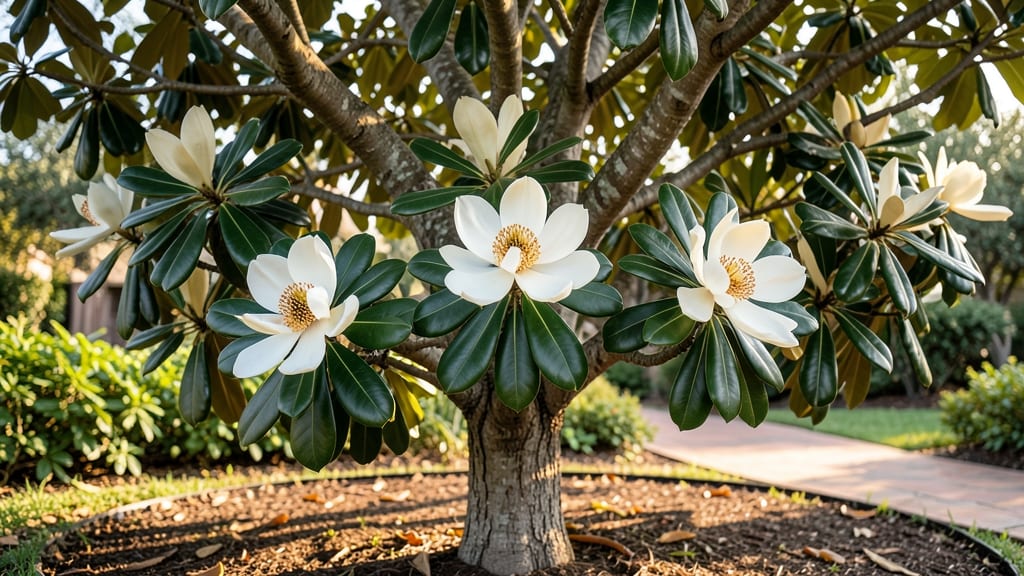
Magnolia trees in Georgia bloom between late winter and early spring 🌸, with timing that can shift by weeks depending on the variety and your corner of the state.
Picture this: one morning you wake up to a Southern magnolia heavy with creamy blooms, while your neighbor’s saucer magnolia hasn’t even budded yet. That’s Georgia’s magnolia magic—where climate zones, microclimates, and even last winter’s frost can push blooms earlier or delay them for weeks.
Understanding these patterns isn’t just for gardeners. Whether you’re planning a spring garden tour, timing pruning, or simply craving that iconic magnolia fragrance, knowing when to expect those show-stopping blossoms turns anticipation into action.
Here’s the breakdown: from the first Star magnolia bursts in February to the late sweetbay magnolia displays in April, we’ll cover the exact windows for Georgia’s most beloved varieties—and the secrets behind their schedules.
Georgia magnolia bloom seasons by variety: Southern-specific timing guide
Georgia’s magnolias create unforgettable spring spectacles, but their bloom windows shift dramatically depending on the variety and your exact location in the state.
From the fragrant Southern Magnolia to the showy Star Magnolia, each type follows its own schedule—especially when comparing North Georgia’s cooler mountains to Savannah’s humid coastal climate. Understanding these patterns helps you plan garden visits, pruning, or even wedding photo shoots under their blooms!
The key factors influencing bloom timing include USDA zones 7a-8b, regional microclimates, and Georgia’s signature high humidity. Coastal areas like Savannah often see blooms 1-2 weeks earlier than Atlanta or the mountains due to warmer winters.
Meanwhile, late frosts in the Piedmont region can delay spring bloomers by weeks. Let’s break down exactly when to expect those iconic flowers by variety and location.
The Southern Magnolia steals the show in late spring, with its leathery evergreen leaves and cup-shaped white blooms that perfume the air. In Savannah, these trees often bloom as early as late April, while mountain varieties might not peak until June.
This delay occurs because cooler highland nights slow metabolic processes, pushing blooms later into the season.
For early spring color, the Star Magnolia and Saucer Magnolia are unbeatable. Their delicate pink or white flowers appear when most gardens are still dormant. However, these varieties are extremely frost-sensitive—buds formed the previous fall can be killed by unexpected late frosts, especially in the Piedmont region.
I’ve seen entire blooms wiped out by a single 28°F night in March!
Georgia’s humidity levels also play a surprising role in bloom timing. Coastal areas with 90%+ humidity often trigger earlier blooming because the moist air signals the tree to push growth. Meanwhile, inland cities like Macon or Athens may experience 1-2 week delays due to drier air.
If you’re in a microclimate hotspot (like near a lake or swamp), expect blooms to arrive 5-7 days sooner than average.
One variety that bucks the trend is the Sweetbay Magnolia, which blooms in summer (June-August) rather than spring. This makes it perfect for extending your garden’s floral season, especially in shady, moist areas
How to predict your magnolia’s bloom time: climate, location, and care tips
Predicting when your magnolia will bloom in Georgia isn’t just about checking a calendar—it’s about understanding your tree’s unique environment. USDA hardiness zones 7a-8b shape the baseline, but microclimates in Atlanta’s urban heat islands or the cooler mountain valleys can shift timing by weeks.
Even last winter’s mild temperatures can trick your tree into blooming earlier than expected.
Your magnolia’s bloom schedule depends on three key factors: climate patterns, local growing conditions, and your care routine. While most Georgia magnolias bloom between late February and April, these dates can drift based on soil moisture, pruning habits, and even nearby construction that disrupts root zones.
Let’s break down how to read your tree’s signals.
Check Your USDA Zone
Georgia spans 7a-8b. Zone 7a (north GA) blooms 2-3 weeks later than Zone 8b (coastal areas) due to frost risk. Use this zone map to confirm your location.
Observe Microclimates
Urban areas (like Atlanta) bloom 1 week earlier than rural spots due to heat island effect. Coastal zones (e.g., Savannah) may bloom 10 days later because of humidity delays.
Monitor Soil Moisture
Drought stress can delay blooms by 3+ weeks. Test soil 3" deep—it should feel like a wrung-out sponge. Mulch with 3-4 inches of pine straw to retain moisture.
Prune at the Right Time
Prune immediately after blooming (April-May) to avoid cutting next year’s buds. Never prune in fall—this can remove 50% of next year’s flowers.
Track Weather Patterns
Early springs (like 2023’s 60°F February) can push blooms to January. Use a garden journal to note when buds swell—this predicts your tree’s rhythm.
Start your bloom prediction by noting when buds begin swelling—this usually happens 6-8 weeks before flowers open. For example, if buds swell in mid-January, expect blooms by late March.
However, if your area had a late frost in February, your tree might delay blooming until April to protect its flowers.
Urban gardeners often see earlier blooms because concrete absorbs heat and warms the roots. If you’re in Atlanta’s downtown, subtract 5-7 days from regional averages. Conversely, mountain regions like Blue Ridge may add 10-14 days due to cooler nights. Adjust your expectations based on these local quirks.
To fine-tune your predictions, create a bloom tracking checklist: ☑️ Record bud swell dates for 3 years ☑️ Note last frost dates (use NOAA’s frost maps) ☑️ Track soil moisture during dormancy ☑️ Adjust watering schedules in summer to avoid stress This data will reveal your magnolia’s unique bloom rhythm, helping you plan garden tours or pruning with precision.
Remember, every magnolia tells its own story. By combining climate science, local observations, and consistent care, you’ll unlock the secret to predicting your tree’s bloom time—down to the day. The key is patience: watch, record, and let your magnolia guide you through Georgia’s ever-changing seasons. 🌸