
Plants
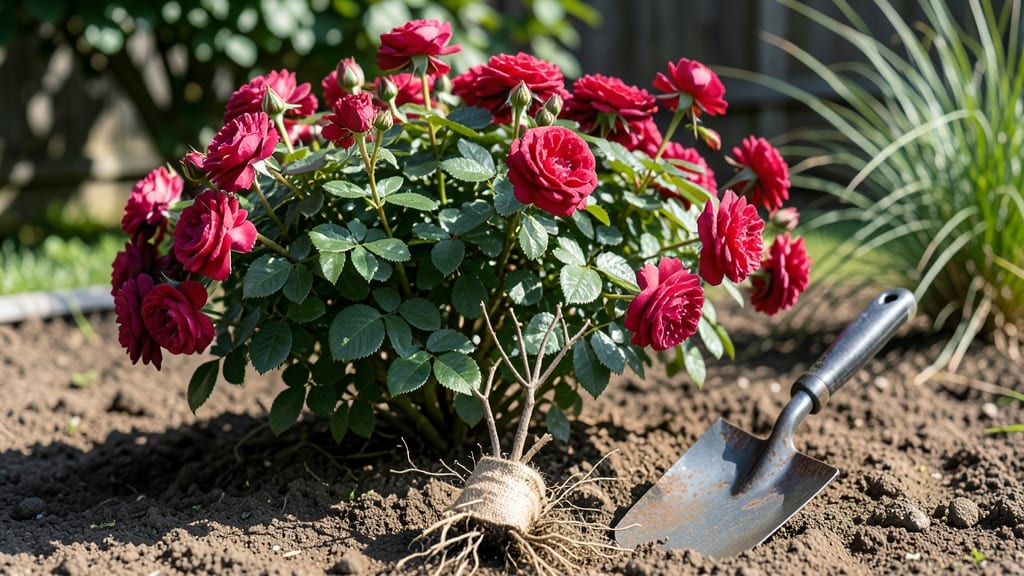
Planting roses in Texas at the right time ensures your 🌹 thrives in 8a-10b climates, where a single wrong move can turn vibrant blooms into struggling shrubs.
You’ve probably seen those gorgeous roses at the nursery and thought, "I want those!"—but rushing them into the ground too early or too late can leave you with wilting disappointment.
The secret? Timing it right for your specific Texas zone, whether you’re in North Texas’s cooler winters or South Texas’s milder stretches.
From late fall to early spring, the best months for planting vary by region—North Texas gardeners have a longer window than their South Texas counterparts. I’ll break down exactly when to plant bare-root vs. container-grown roses, how to prep your soil, and what to watch for to avoid common mistakes.
By the end, you’ll know not just when to plant, but how to set your roses up for season-long blooms—no guesswork, just thriving 🌹 after thriving.
Texas rose planting calendar by USDA Zones (7-10)
Timing your rose planting in Texas is critical—get it wrong, and you risk stunted growth or frost damage. Texas spans USDA Zones 7-10, meaning North Texas (Zone 7-8) faces frost risks while South Texas (Zone 9-10) enjoys milder winters.
The best time to plant roses depends on your zone, soil temperatures, and whether you're using bare-root or potted roses.
For North Texas gardeners (Zones 7-8), aim for late fall to early spring when soil temps dip below 70°F. In Central Texas (Zone 8-9), you can extend planting into early winter, while South Texas (Zone 10) allows year-round planting for container-grown roses.
Below, I’ve broken down the ideal planting windows by zone, including frost risks and soil prep tips.
In Zone 7-8 (North Texas), your last frost date typically falls around February 15, so plant bare-root roses between November and February for the best root establishment. Aim for soil temperatures between 45°F and 60°F—cooler temps reduce stress and encourage root growth.
If you plant too early, frost damage can kill young roots before they establish.
For Central Texas (Zone 8-9), the window expands to October through January. Here, soil temps stay warmer longer, allowing you to plant potted roses even in early winter.
However, avoid planting in summer heat—roses struggle when soil temps exceed 75°F. Instead, opt for fall planting to give roots time to settle before summer.
Gardeners in South Texas (Zone 10) have the most flexibility—they can plant roses year-round, though fall and winter are ideal for bare-root varieties. Since frost is rare, focus on watering deeply (1-1.5 gallons per plant) and choosing heat-tolerant varieties like 'Knock Out' roses or 'Duchess of Albany'.
In summer months, provide afternoon shade to prevent wilting.
When choosing between bare-root and potted roses, consider your zone. Bare-root roses are cheaper and easier to plant in fall/winter, while potted roses offer flexibility for year-round planting in mild zones.
For bare-root roses, soak roots in water for 1-2 hours before planting to reduce transplant shock. For potted roses, dig a hole twice as wide as the root ball to encourage outward root growth.
One critical mistake Texas gardeners make is planting roses too early in spring when soil temps rise. Wait until soil cools below 70°F—use a soil thermometer to check.
Another tip: amend your soil with compost and aged manure before planting to improve drainage, especially in clay-heavy soils common in East Texas. Mulch with 2-3 inches of organic mulch to retain moisture and regulate soil temperature.
If you miss the ideal planting window, don’t panic. In Zones 9-10, you can plant roses in early spring (March-April) with extra care—water daily for the first 2 weeks and provide light shade during peak afternoon heat.
For North Texas, hold off until late winter to avoid frost damage. With the right timing, your roses will reward you
Signs your Texas rose planting timing is wrong (and how to fix it)
Planting roses outside their ideal window in Texas can lead to stunted growth, disease susceptibility, or even plant death. The wrong timing often stems from ignoring local frost dates or assuming all Texas zones share the same planting schedule.
For example, North Texas (Zone 8a) has a last frost date of February 15, while South Texas (Zone 10a) rarely sees frost, creating vastly different planting strategies.
One of the first red flags is slow or no root establishment after planting. If your rose plant sits in the same pot or container for weeks without sending out new growth, it’s likely struggling due to temperature stress.
In East Texas, high humidity paired with late spring planting can also invite fungal diseases like black spot, while West Texas drought makes summer planting a recipe for dehydration.
🚨
⚠️ Texas Rose Planting Timing Mistakes
Planting too early: Before soil temps drop below 60°F (North/Central Texas) or after August 15 (South Texas) risks frost damage or heat shock. Bare-root roses planted in freezing soil can’t establish roots.
Planting too late: After mid-March (North Texas) or January 15 (South Texas) leaves roses vulnerable to summer heat stress before roots can anchor. Container-grown roses planted in peak summer dry out faster.
Ignoring zone-specific risks: East Texas humidity demands well-draining soil to prevent root rot, while West Texas drought requires mulching to retain moisture. Coastal areas need salt-tolerant varieties like Knock Out® roses.
Skipping soil prep: Texas clay soil or sandy loam (common in West Texas) must be amended with compost or organic matter 4–6 weeks before planting. A soil pH of 6.0–6.5 is critical—test yours!
Another warning sign is yellowing leaves or leaf drop shortly after planting. This often indicates transplant shock from poor timing, such as planting when soil is still warm (above 70°F) in North Texas during late spring.
Roses planted in full summer heat in Central Texas (Zone 8b) may also suffer from sunscald if not acclimated gradually.
To fix timing mistakes, start by adjusting your planting window. For bare-root roses, aim for November–February in North/Central Texas, while container-grown roses can go in September–March. In South Texas (Zone 10a), you can plant year-round, but avoid peak summer (June–August) to prevent stress.
Always water deeply after planting and mulch with 2–3 inches of organic mulch to stabilize soil temperatures.
For East Texas gardeners, focus on disease-resistant varieties like Dr. Huey® or Belinda’s Dream® and prune for airflow to reduce humidity-related issues. In West Texas, choose drought-tolerant roses such as Earth-Kind® roses and water deeply but infrequently once established.
A drip irrigation system helps maintain consistent moisture without overhead watering.
Finally, monitor your roses’ progress for 30 days post-planting. Healthy roots should show new growth within 4–6 weeks. If your roses still look stressed, reassess soil moisture, check for pests, and consider lightly fertilizing with a balanced 10-10-10 in early spring.
With the right timing and care, your Texas roses will thrive year after year! 🌿